7 Essential Types of Residential Storage for Homeowners
- Feb 17
- 9 min read
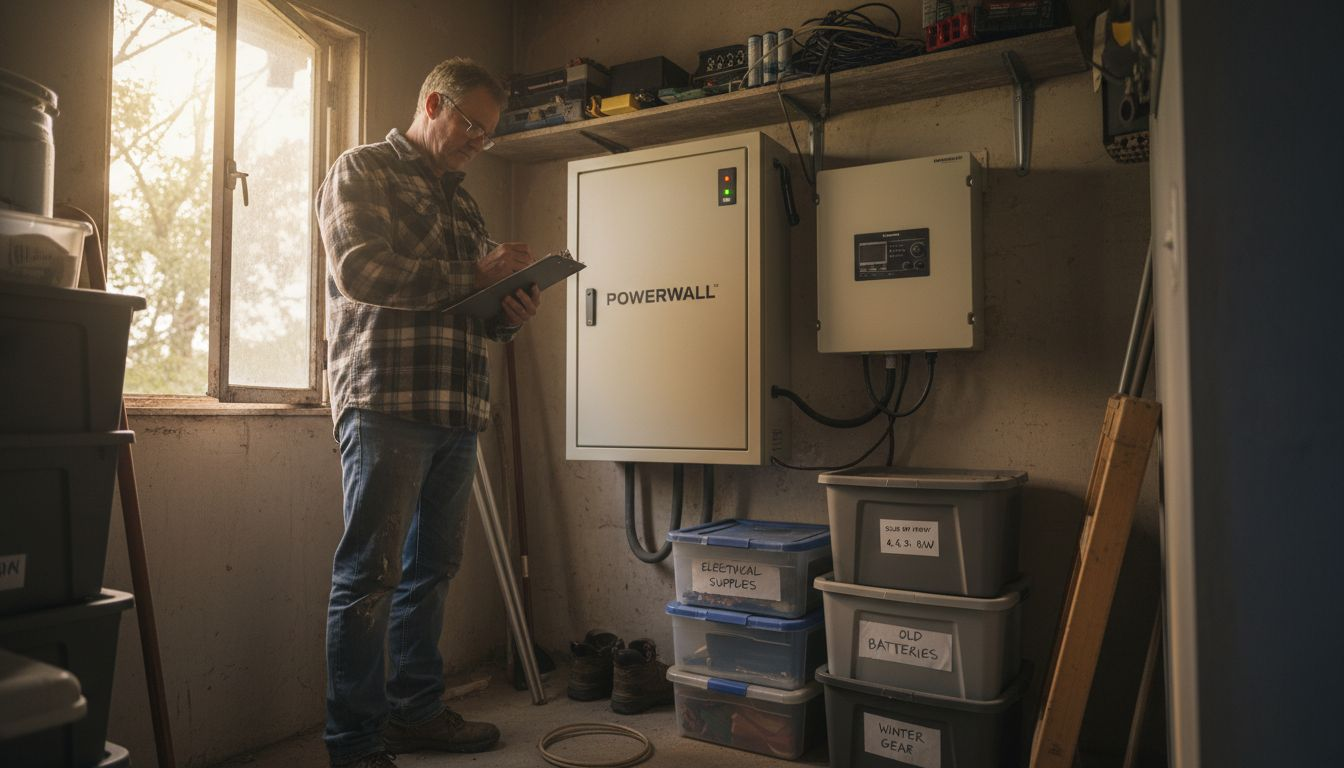
Choosing the right residential energy storage system is a challenge every homeowner faces as electricity bills climb and renewable options expand. With so many technologies competing for your attention, it’s easy to feel overwhelmed or unsure which features deliver real value for your home. The latest innovations offer reliable power, flexible expansion, and even lightning-fast charging speeds that can reshape how you store and use electricity. This guide will reveal proven energy storage solutions—backed by European market data and recent scientific breakthroughs—so you can confidently match your needs to the best technology. Get ready to uncover actionable details and practical tips that will help you maximize energy independence, safety, and cost savings.
Table of Contents
Quick Summary
Takeaway | Explanation |
1. Choose Lithium-Ion Batteries for Home Storage | They provide reliable, efficient energy management with high energy density and long lifetimes, ideal for residential use. |
2. Consider Graphene Supercapacitors for Fast Charging | These systems offer ultrafast charging and exceptional safety, making them a perfect complement to traditional batteries. |
3. Invest in Modular Battery Storage for Flexibility | Modular systems allow customized energy capacity expansion based on changing household needs without large upfront costs. |
4. Utilize Hybrid Inverters for Smart Energy Integration | Hybrid inverters simplify integration of power sources, optimizing energy efficiency and stabilizing electricity supply. |
5. Implement Smart Energy Management Systems for Automation | EMS enhances home energy control, automating device performance to reduce costs and improve sustainability. |
1. Lithium-Ion Battery Systems: The Reliable Standard
Lithium-ion battery systems have emerged as the gold standard for residential energy storage across Central Europe. These advanced systems provide homeowners with a reliable and efficient method of managing their electricity needs while supporting the broader transition to renewable energy.
Currently, lithium-ion batteries dominate the energy storage market, representing over 90% of annual battery demand worldwide. Their popularity stems from several key advantages:
High energy density allowing more storage in compact spaces
Long operational lifetimes reducing replacement frequency
Rapid charge and discharge capabilities
Scalable technology adaptable to various home energy configurations
In the European context, these battery systems have become increasingly sophisticated. The EU battery storage market demonstrates record growth, confirming lithium-ion technology as the most dependable home energy solution.
Lithium-ion batteries represent the cornerstone of flexible and secure residential energy management.
Homeowners can integrate these systems with solar panels to store excess electricity generated during peak sunlight hours, enabling power usage during evenings or cloudy periods. This approach not only reduces electricity costs but also increases energy independence.
Pro tip: When selecting a lithium-ion battery system, always verify the manufacturer’s warranty and confirm compatibility with your existing home energy infrastructure.
2. Graphene Supercapacitors: Fast Charging and High Safety
Graphene supercapacitors represent a cutting-edge residential energy storage solution that offers unprecedented charging speeds and exceptional safety features. Unlike traditional battery technologies graphene-based systems provide homeowners with an innovative approach to managing electrical energy.
These advanced storage systems leverage the remarkable properties of graphene and its derivative materials to create energy storage solutions with distinct advantages:
Ultrafast charging capabilities
Extended operational lifecycle
Enhanced safety profile
Superior electrical conductivity
Mechanical robustness
Graphene supercapacitors store energy electrostatically through a fundamentally different mechanism than chemical batteries. This means they can charge and discharge rapidly without the thermal runaway risks associated with lithium-ion technologies.
Graphene supercapacitors offer a revolutionary approach to residential energy storage with unprecedented safety and performance.
For homeowners considering energy storage solutions, graphene supercapacitors provide an excellent complement to traditional battery systems. Their ability to handle rapid charge-discharge cycles makes them particularly attractive for applications requiring quick energy transfer.
Pro tip: When evaluating graphene supercapacitor systems for your home, prioritize manufacturers who provide detailed performance specifications and independent testing documentation.
3. Modular Battery Storage: Flexible Growth for Every Home
Modular battery storage systems represent a revolutionary approach to residential energy management, offering homeowners unprecedented flexibility in designing their home energy infrastructure. These innovative systems allow you to customize and expand your energy storage capacity precisely as your household needs evolve.
In the context of European residential energy markets, modular battery solutions have become increasingly popular due to their adaptable nature. Homeowners can now invest strategically in energy storage without committing to massive upfront expenses.
Key advantages of modular battery storage include:
Incremental investment options
Scalable system design
Customizable energy capacity
Enhanced solar PV integration
Future-proof technology
Modular battery storage empowers homeowners to build their energy infrastructure at their own pace.
The modular approach enables staged investments that align with your budget and energy requirements. You might start with a small storage system and gradually expand as your solar generation increases or your electricity consumption patterns change.
European policy frameworks actively support these flexible energy solutions, recognizing their potential to balance grid demand and promote individual energy autonomy.
Pro tip: When selecting a modular battery storage system, carefully evaluate the compatibility of additional modules with your initial installation to ensure seamless future expansions.
4. Hybrid Inverter Solutions: Power Conversion Simplified
Hybrid inverters represent a sophisticated breakthrough in residential energy management, seamlessly integrating multiple power sources into a single intelligent system. These advanced devices transform how homeowners interact with electricity by simplifying complex power conversion processes.
In Central European markets, smart hybrid inverter technologies are revolutionizing home energy infrastructure. They enable smooth transitions between solar generation, battery storage, and grid power with unprecedented efficiency.
Key features of hybrid inverter solutions include:
Seamless energy source integration
Automatic power switching
Advanced grid interaction
Real-time energy optimization
Enhanced system reliability
Hybrid inverters transform complicated energy systems into user-friendly, intelligent power management platforms.
Their grid-forming and grid-following capabilities ensure stable electricity supply even during variable renewable energy generation. Homeowners benefit from reduced energy costs and increased energy independence through these sophisticated power conversion technologies.
Modern hybrid inverters support multiple functions simultaneously, from battery charging to load management, making them a central component of smart home energy ecosystems.
Pro tip: When selecting a hybrid inverter, prioritize systems with comprehensive monitoring capabilities and compatibility with multiple energy sources.
5. Smart Energy Management Systems for Automation
Smart Energy Management Systems (EMS) represent the technological backbone of modern residential energy solutions, transforming how homeowners interact with and control their electricity consumption. These sophisticated systems leverage advanced algorithms and real-time data to automate and optimize energy usage across multiple devices and resources.
Smart grid technologies enable unprecedented levels of home energy control and efficiency. Central European homeowners can now manage their energy ecosystems with precision and intelligence previously unimaginable.
Key features of intelligent energy management systems include:
Automated device optimization
Real-time energy consumption tracking
Price signal responsiveness
Renewable energy integration
Predictive load management
Smart Energy Management Systems turn complex energy infrastructure into a seamlessly automated experience.
These systems excel at time-shifting energy consumption, maximizing self-generated solar power usage, and providing critical grid stabilization services. By understanding your household’s unique energy patterns, an EMS can automatically adjust device operations to minimize costs and maximize efficiency.
Homeowners benefit from reduced electricity expenses, enhanced energy independence, and the satisfaction of contributing to a more sustainable energy ecosystem.
Pro tip: Select an Energy Management System with comprehensive monitoring capabilities and robust mobile app integration to ensure maximum control and visibility into your home energy usage.
6. EV Integration: Car Chargers as Energy Storage
Electric vehicles are rapidly evolving from transportation tools into sophisticated mobile energy storage units that can transform residential power management. Modern EV owners now have the opportunity to turn their vehicles into dynamic energy assets that contribute to home power systems.
Vehicle grid integration technologies are revolutionizing how Central European homeowners approach energy consumption and storage. These systems enable bidirectional charging that allows electric vehicles to both draw and supply electricity.
Key advantages of EV energy integration include:
Bidirectional power flow capabilities
Enhanced home energy resilience
Cost reduction through smart charging
Grid stabilization support
Renewable energy optimization
Electric vehicles represent more than transportation - they are mobile power stations on wheels.
By strategically charging during low-demand periods and potentially supplying power during peak times, EV owners can significantly reduce their electricity expenses. This approach transforms electric vehicles from transportation devices into valuable distributed energy resources.
Central European energy frameworks increasingly support vehicle-to-grid technologies, recognizing electric vehicles as flexible and intelligent components of the broader energy ecosystem.
Pro tip: When purchasing an electric vehicle, prioritize models with robust vehicle-to-home and vehicle-to-grid capabilities to maximize your energy management potential.
7. Backup Storage for Outages and Energy Security
Backup battery storage systems have emerged as critical infrastructure for homeowners seeking reliable energy protection during unexpected power disruptions. These advanced systems provide peace of mind by ensuring continuous electricity supply when traditional grid connections fail.
European battery storage developments are transforming residential energy resilience across Central Europe. Homeowners now have sophisticated tools to maintain power during outages and enhance overall energy security.
Key advantages of backup storage systems include:
Uninterrupted power during blackouts
Protection of critical home electronics
Reduced dependency on grid infrastructure
Seamless transition during power failures
Support for renewable energy integration
Backup storage transforms vulnerability into energy independence.
Modern backup systems can automatically detect grid interruptions and instantaneously switch to stored energy, providing seamless power continuity. This capability is particularly valuable in regions experiencing increasing grid instability due to renewable energy transitions.
Homeowners can customize backup storage solutions to support essential circuits like refrigeration, communication devices, medical equipment, and home security systems during extended power outages.
Pro tip: When designing a backup storage system, prioritize solutions that offer scalable capacity and intelligent load management to maximize your energy security.
Below is a comprehensive table summarizing the key topics discussed in the article regarding residential energy storage solutions.
Energy Storage Solution | Description | Key Advantages |
Lithium-Ion Battery Systems | The reliable standard for residential energy storage. | High energy density, long lifespan, rapid charge and discharge capabilities. |
Graphene Supercapacitors | Cutting-edge technology leveraging graphene for energy storage. | Ultra-fast charge times, enhanced safety, and extended cycle life. |
Modular Battery Storage Systems | Flexible and scalable storage solutions adaptable to user needs. | Incremental investment, customization, and future-proofing. |
Hybrid Inverters | Devices that integrate multiple energy sources for seamless residential power management. | Efficient power conversion, energy source integration, and real-time optimization. |
Smart Energy Management Systems | Technology enabling automated and intelligent energy consumption control. | Real-time tracking, renewable integration, and predictive load management. |
EV Integration | Utilization of electric vehicles as dynamic energy storage solutions. | Bidirectional energy flow and enhanced grid support. |
Backup Storage Systems | Systems ensuring reliable power supply during outages or grid failures. | Grid independence, renewable integration, and protection for essential devices. |
This table encapsulates the article’s highlights, providing a concise overview of each mentioned energy storage solution and its advantages.
Unlock the Full Potential of Your Home Energy Storage Today
Managing residential energy storage effectively demands solutions that combine flexibility, advanced technology, and seamless integration. Whether you are considering lithium-ion battery systems, graphene supercapacitors, or modular battery storage, the goal is to overcome common challenges like limited capacity, inefficient power management, and increasing energy costs. Belinus understands these pain points and offers ready-to-deploy solutions designed to keep your home energy system future-proof and reliable.
Explore the Energy Wall G1 graphene supercapacitor and Solis Inverters combined with our intelligent Energy Management System that dynamically optimizes your energy usage, reduces reliance on the grid, and ensures a stable power supply even during outages. Don’t wait to transform your home into a smart energy hub capable of adapting to your lifestyle and budget. Visit Belinus now and start building your personalized energy storage solution with industry-leading technology at your fingertips.
Frequently Asked Questions
What are lithium-ion battery systems, and how do they improve home energy management?
Lithium-ion battery systems are advanced energy storage solutions that allow homeowners to store electricity efficiently. To improve your home energy management, consider integrating these batteries with solar panels to utilize excess energy generated during the day.
How do graphene supercapacitors differ from traditional battery technologies?
Graphene supercapacitors leverage electrostatic energy storage, offering ultrafast charging and enhanced safety compared to chemical batteries. If you’re looking for rapid energy transfer capabilities, explore the benefits of integrating these systems into your home energy setup.
What are the benefits of modular battery storage systems for homeowners?
Modular battery storage systems provide flexibility by allowing homeowners to expand energy capacity as needed. To take advantage of this flexibility, start with a basic system and plan to gradually add more modules based on your household’s evolving energy requirements.
How do hybrid inverters simplify energy management in homes?
Hybrid inverters integrate multiple power sources into a single system, streamlining energy management for homeowners. Evaluate the capabilities of hybrid inverters to automatically switch between solar, battery, and grid power, enhancing your home’s overall efficiency and reliability.
How can I use my electric vehicle as part of my home energy system?
Electric vehicles can be integrated into your home energy management by utilizing bidirectional charging, allowing them to supply power back to your home. Plan to maximize the benefits of having your vehicle serve as a mobile energy storage unit during peak electricity usage times.
What does backup battery storage provide during power outages?
Backup battery storage systems ensure uninterrupted electricity supply during power failures, safeguarding essential home appliances. To enhance your energy security, consider customizing backup systems to support critical circuits, allowing for seamless transitions when grid power is lost.
Recommended
Comments