Why Use Battery Supercapacitors? Efficiency, Longevity, and Smart Energy
- 2 days ago
- 8 min read
TL;DR:
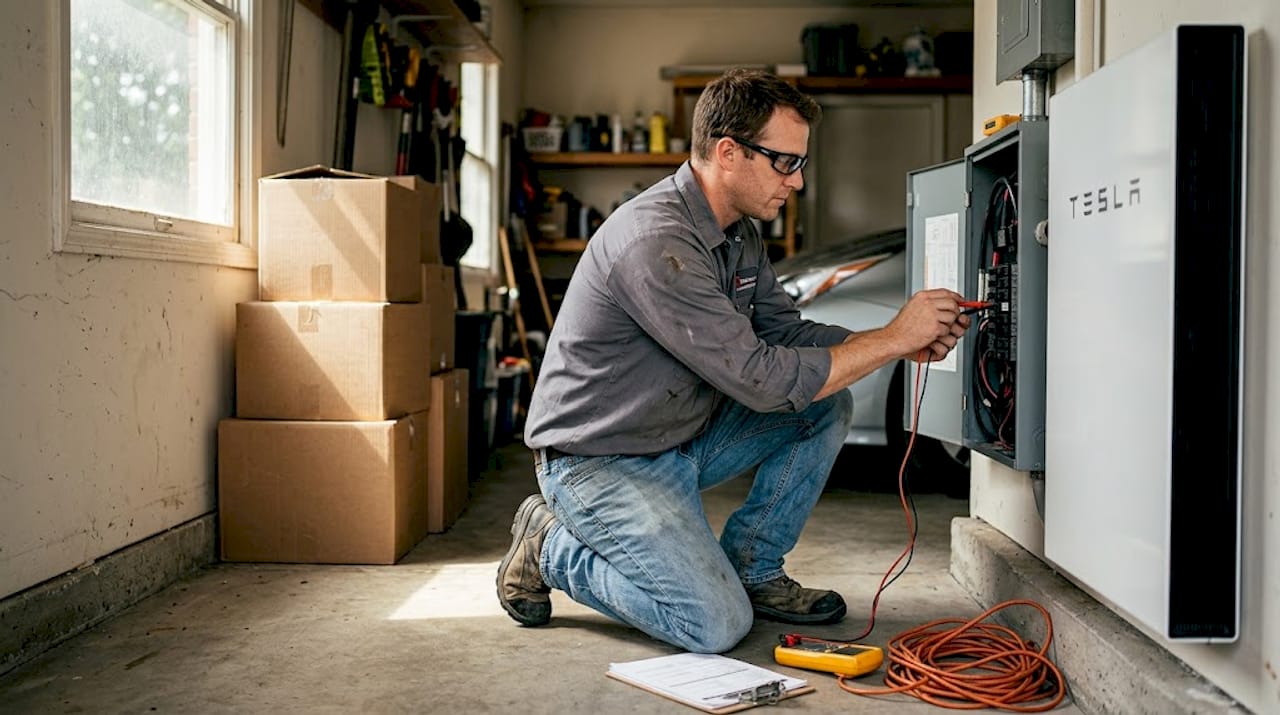
Battery supercapacitors operate reliably across extreme European temperatures, unlike traditional lithium-ion batteries.
They significantly extend system lifespan, reduce maintenance, and improve energy efficiency.
The technology stabilizes voltage during peak loads and protects batteries from high-stress events.
Most homeowners and businesses assume any modern battery will handle their energy needs just fine. But here’s where that assumption breaks down: standard lithium-ion batteries lose significant capacity when temperatures drop below freezing, exactly the conditions common across much of Europe. Battery supercapacitors, on the other hand, operate reliably across extreme temperatures, giving them a critical edge in Nordic winters, Alpine settings, and even the scorching Mediterranean summer. This article breaks down what battery supercapacitors actually are, why they outperform conventional storage in key areas, and how they’re already solving real energy problems for European homes and businesses.
Table of Contents
Key Takeaways
Point | Details |
Extreme temperature reliability | Battery supercapacitors deliver dependable energy storage from deep cold to heat, perfect for European climates. |
System longevity and savings | Supercapacitors vastly extend battery life and reduce long-term replacement costs for homes and businesses. |
Optimal performance for renewables | Hybrid systems with supercapacitors handle power peaks and grid fluctuations better than batteries alone. |
Eco-friendly energy choice | With fewer critical raw materials and better recyclability, supercapacitors help support a greener, sustainable energy future. |
What are battery supercapacitors and how do they work?
A battery supercapacitor is not just a battery with extra steps. It’s a hybrid energy storage component that combines two distinct technologies: electrochemical capacitors (which store energy in an electric field between two conductive plates) and conventional battery chemistry. The result is a device that can charge and discharge far faster than a standard battery while still holding meaningful amounts of energy.
Conventional batteries store energy through chemical reactions. That process is relatively slow, and repeated fast cycling degrades the electrode materials over time. Supercapacitors store energy electrostatically, with no chemical reaction involved. This means they can absorb and release energy almost instantly without wearing down. Battery supercapacitors merge both principles, getting rapid response from the capacitor side and sustained energy delivery from the battery side.
Understanding the difference between supercapacitors and batteries makes the performance gap obvious. Supercapacitors charge in seconds. Batteries charge in hours. When your solar panels generate a sudden surge or your EV charger kicks on, a supercapacitor handles that spike cleanly while the battery handles the background load.
The operating temperature range is remarkable. Supercapacitors work between -40°C and +70°C, covering virtually every climate across the European continent, from Finnish winters to Sicilian summers, without performance degradation.
Here’s a quick comparison of how battery supercapacitors stack up against standard lithium-ion batteries:
Feature | Battery supercapacitor | Lithium-ion battery |
Charge speed | Seconds to minutes | 1 to 8 hours |
Cycle life | 500,000+ cycles | 2,000 to 5,000 cycles |
Operating temp range | -40°C to +70°C | -20°C to +45°C |
Energy density | Moderate | High |
Maintenance needs | Very low | Moderate |
Raw material risk | Low | High (cobalt, lithium) |
The key advantage is in cycle life and temperature tolerance. A lithium-ion battery may need replacing within a decade. A supercapacitor component in a hybrid system can last the lifetime of the installation.
Pro Tip: Don’t think of a supercapacitor as a battery replacement. Think of it as a power buffer that protects your battery from high-stress events like sudden peaks and cold starts, significantly extending the battery’s working life.
The top benefits of using battery supercapacitors
Now that you know how battery supercapacitors work, let’s look at the biggest reasons homeowners and businesses are turning to them.
The efficiency gains are immediate. Supercapacitors transfer energy with very low internal resistance, meaning minimal energy is lost as heat during charge or discharge. In a conventional battery under heavy load, that heat loss adds up fast. In a hybrid system, the supercapacitor handles sudden demand spikes cleanly, keeping the overall system running at peak efficiency.
Supercapacitors increase component lifespan by more than two years and avoid the use of critical raw materials like cobalt and lithium in their core operation. That matters both for your wallet and for sustainability goals. Fewer replacements mean less electronic waste and lower total cost of ownership over a 20 to 25 year installation.
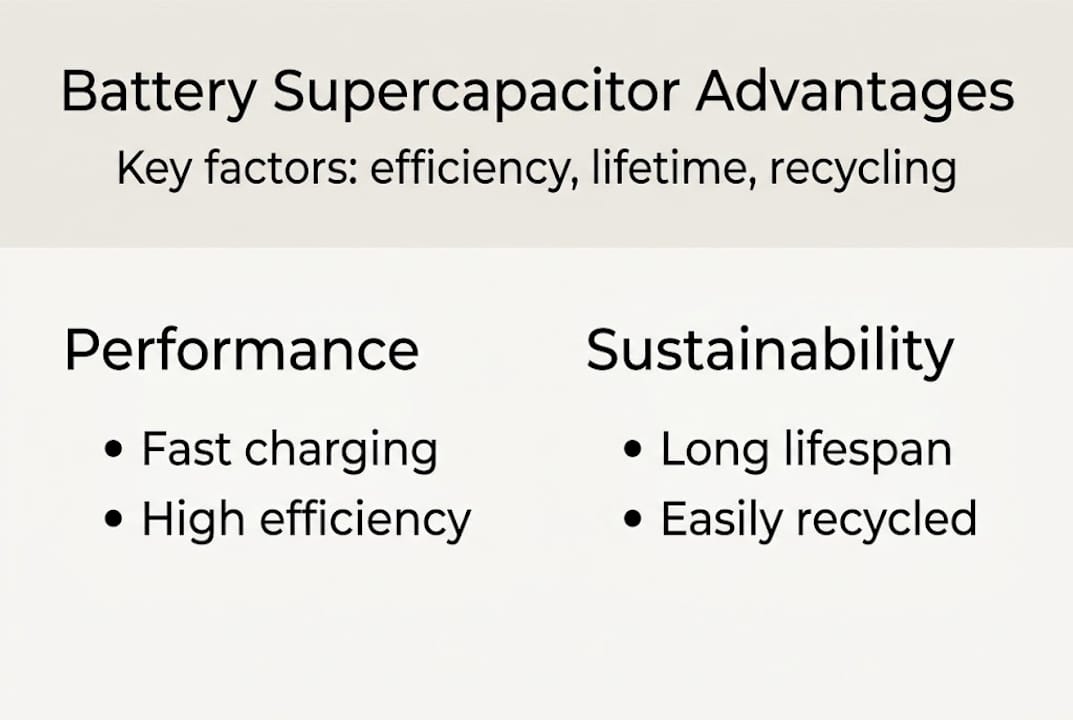
The recyclability angle is often overlooked. Traditional lithium-ion batteries contain materials that are difficult and expensive to recycle. Supercapacitor technology relies largely on carbon-based electrodes, making end-of-life handling significantly cleaner. For European homeowners and businesses navigating tightening eco-design regulations, this is a serious advantage.
Let’s look at graphene supercapacitor advances specifically, because graphene electrodes push energy density much higher than traditional activated carbon, closing the gap with batteries while keeping all the cycle life benefits.
Here’s a data comparison worth seeing:
Parameter | Supercapacitor | Lithium-ion battery |
Cycle life | 500,000+ | 2,000 to 5,000 |
Operating temp | -40°C to +70°C | -20°C to +45°C |
Recyclability | High (carbon-based) | Low (cobalt, lithium) |
Peak power delivery | Excellent | Moderate |
The top benefits for homeowners and businesses, ranked by practical impact:
Dramatically longer system lifespan with fewer expensive replacements
Reliable performance in cold European winters without capacity loss
Lower environmental footprint and compliance with EU eco-design rules
Faster energy response protecting your battery investment
Reduced maintenance time and monitoring overhead
“Hybrid storage systems using supercapacitors showed measurable increases in component lifetime and demonstrated independence from critical raw material supply chains, both key goals for European energy resilience.” Source: HYBRIS EU project reporting
For a broader view of which storage types suit different homes and setups, explore residential energy storage types and see where battery supercapacitors fit within your overall energy plan.
How battery supercapacitors solve real-world energy challenges
The benefits are impressive, but how do battery supercapacitors perform in the situations Europeans actually face?
European grid conditions are not uniform. Voltage fluctuations, brief outages during storms, and the variable output of rooftop solar are daily realities for millions of households. When your PV panels are partially shaded by clouds or a neighboring building, their output can spike and drop unpredictably. A standard battery handles slow, steady charge cycles well but struggles with erratic load profiles.
Supercapacitors stabilize voltage during partial shading and high-demand peaks, protecting both your battery and the devices connected to your system. That’s not a theoretical benefit. It directly reduces wear on your battery cells and extends total system life.
Real scenarios where this matters most:
Cold winter mornings: Your heat pump draws maximum current at startup. A supercapacitor absorbs that surge without stressing the battery.
EV fast charging at home: Sudden high-current demand is handled by the supercapacitor buffer, preventing voltage sags.
Partial PV shading: Rapid solar output fluctuations are smoothed out before they reach the battery.
Business peak loads: Factories or retail spaces with high fluctuation equipment benefit from instant load balancing.
Grid outages: During brief interruptions, the supercapacitor maintains power instantly while the battery system ramps up.
For businesses, the value of hybrid battery systems becomes especially visible in environments with compressors, industrial HVAC, or large refrigeration loads. These draw wildly variable power, exactly the profile that degrades conventional batteries fastest.
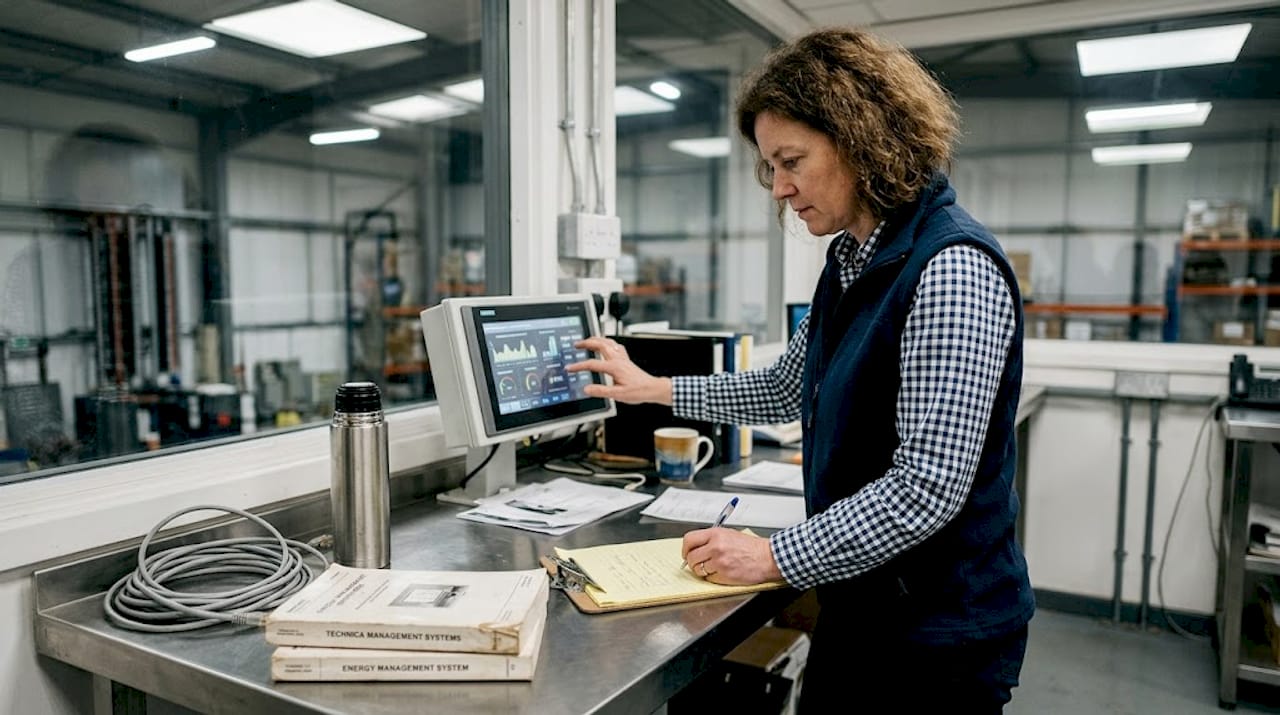
Pro Tip: An intelligent Energy Management System (EMS) automatically routes high-stress events through the supercapacitor and reserves the battery for sustained load delivery. This isn’t manual. It happens in real time, every cycle, protecting your most expensive component without you doing anything.
For practical storage examples for enterprises, the pattern is consistent: businesses that add supercapacitor buffers to their storage systems report fewer battery replacements and more stable operations. You can also review energy storage best practices to understand how to structure a hybrid approach from the ground up.
European innovations and the future of battery supercapacitor adoption
After seeing how the technology solves real needs, let’s look at the larger European movement toward supercapacitors and what’s coming next.
The EU has been funding hybrid energy storage research in a serious way. EU projects like HyFlow and HYBRIS demonstrate how combining supercapacitors with other storage technologies boosts grid stability and accelerates renewable integration for both residential and commercial users. These aren’t small-scale lab experiments. They’re multi-partner projects designed to inform real policy and commercial deployment.
The grid infrastructure is evolving alongside the technology. European network operators are increasingly interested in behind-the-meter solutions that reduce peak demand pressure. A home or business with a hybrid storage system can participate in demand response programs, earning payments for shifting load at the right times.
Here’s how European homes and businesses are beginning to put this technology to work:
Residential solar-plus-storage: Pairing rooftop PV with a hybrid storage unit that uses supercapacitors for instant response and batteries for overnight supply.
Commercial demand management: Using hybrid storage to avoid peak tariff charges by smoothing load during high-price grid periods.
EV charging infrastructure: Supercapacitor buffers at charging stations absorb the high-current draw without stressing the grid connection.
Community energy projects: Neighborhood-scale storage where supercapacitors handle rapid fluctuations from shared solar arrays.
The stat that often surprises people: EU-backed hybrid storage pilots consistently show peak load reductions and measurable reductions in battery replacement frequency across commercial test sites. That’s a financial return that doesn’t appear in simple battery ROI spreadsheets.
Looking ahead, eco-design regulations tightening across the EU are pushing specifiers and installers toward lower-impact storage technologies. Supercapacitors fit cleanly into that direction. Explore the graphene energy storage breakthroughs shaping next-generation systems, and check solar technology trends to see how storage and PV innovation are converging in 2026.
Why most energy storage advice overlooks the battery supercapacitor advantage
Most guides compare batteries by cost per kilowatt-hour and call it done. That framing misses almost everything that matters in a real installation. When we work with homeowners and businesses on energy upgrades, the conversation rarely starts with supercapacitors. It usually starts with solar panels and battery storage. The supercapacitor benefit only becomes visible once people experience their first cold winter with a hybrid system versus a conventional one, or when they see how much longer their battery bank lasts.
The hidden value is in what doesn’t happen: the battery doesn’t degrade from peak stress events, the system doesn’t underperform on a cold January morning, and the maintenance call doesn’t come in year six. A smart EMS routing stress through the supercapacitor layer makes all of this invisible to the user, which is why it rarely gets celebrated in marketing materials.
The future isn’t batteries versus supercapacitors. It’s learning to use both intelligently. Explore battery storage solutions to see how hybrid configurations are already delivering that outcome for real users across Europe.
Find out how advanced storage solutions can power your future
If this fresh approach sparks your interest, you’re not alone. Homeowners and businesses across Europe are moving toward hybrid energy storage systems that protect their battery investment, reduce maintenance costs, and deliver reliable power regardless of the weather outside.

At Belinus, we design integrated solutions combining graphene supercapacitor storage, intelligent EMS, solar PV, and EV charging into one coherent system. Whether you’re ready to install or just mapping out your options, our network of installation partners can help you take the next step. If you want to offer these solutions to your own clients, explore what it means to become a partner. Visit Belinus to see the full range of advanced energy solutions built for the way Europe generates, stores, and uses power.
Frequently asked questions
Can battery supercapacitors fully replace traditional batteries?
No, supercapacitors complement batteries by handling quick energy bursts and extending overall system life, but batteries are still needed for long-term energy storage. Supercapacitors and batteries work together in hybrid systems for optimal energy management.
Are battery supercapacitors safe for home use in cold climates?
Yes, they’re well-suited for European weather extremes because supercapacitors operate reliably from -40°C to +70°C, outperforming conventional batteries in cold conditions.
Do battery supercapacitors reduce maintenance and replacement costs?
Yes, their high cycle life means far fewer replacements over the lifetime of your system. Supercapacitors increase component lifetime significantly compared to conventional battery cycling.
How do supercapacitors support renewable energy like solar and wind?
They quickly stabilize voltage and absorb peak loads so your system stays smooth even when solar or wind input fluctuates. Supercapacitors provide voltage stability during partial shading and high-demand events with renewables.
Recommended
Comments