Distributed energy's role in Europe's clean power future
- Mar 14
- 8 min read
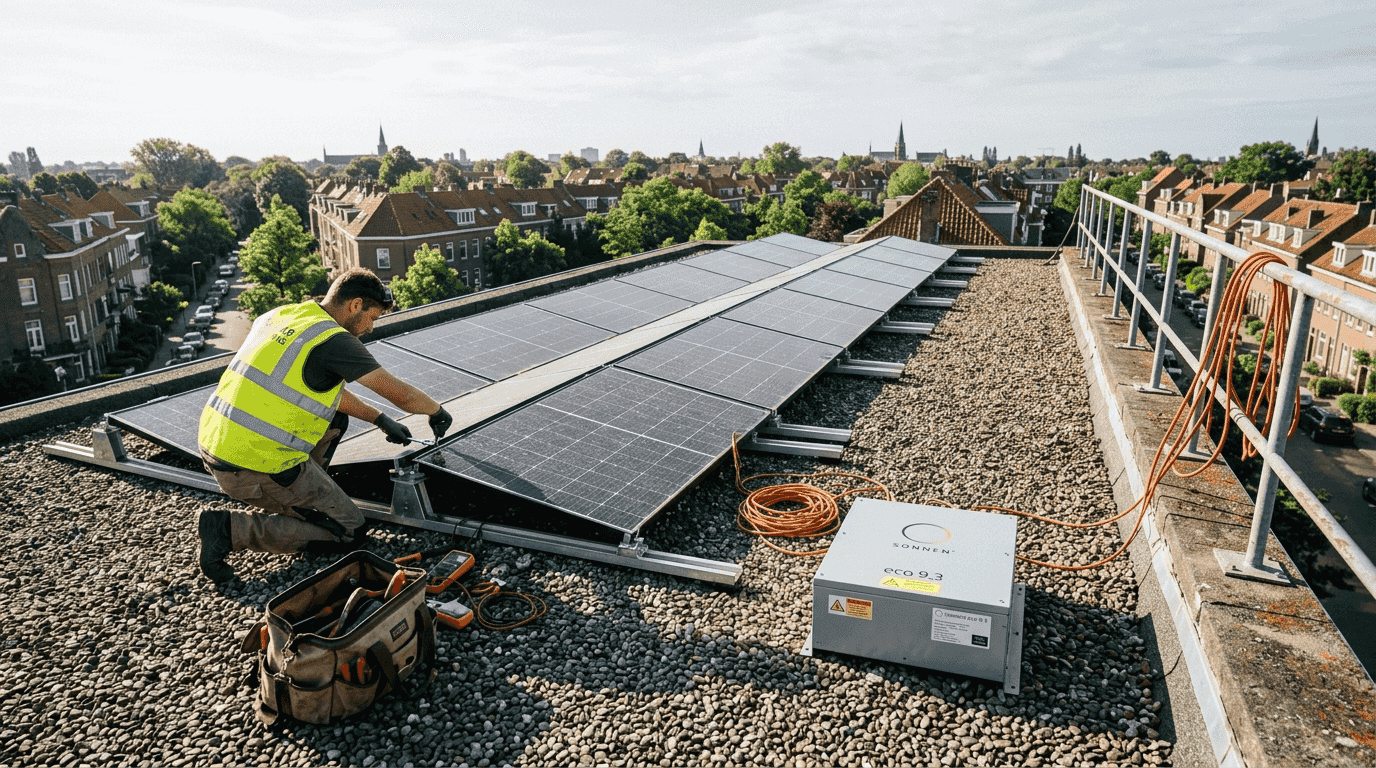
Europe stands at a turning point in energy independence. Many homeowners and businesses underestimate how distributed energy systems slash costs while strengthening grid resilience. Common misconceptions paint these technologies as complex or out of reach, yet solar power, battery storage, and EV charging have become accessible solutions driving Europe’s clean energy transition. This guide clarifies what distributed energy means, compares key technologies, and shows how regulatory frameworks make adoption practical for properties across the continent.
Table of Contents
Key takeaways
Point | Details |
Energy independence | Distributed systems reduce reliance on centralized grids while lowering monthly energy bills |
Core technologies | Solar PV, battery storage, and EV charging form the foundation of modern distributed energy |
Clean transition support | Local generation enables renewable integration and helps Europe meet carbon reduction targets |
Regulatory advantage | EU and national incentives like subsidies and feed-in tariffs accelerate adoption |
What is distributed energy and why it matters
Distributed energy involves local generation and storage of power rather than relying solely on distant power plants and transmission networks. This approach places energy production, storage, and consumption at or near the point of use. For European homeowners and businesses, this means installing solar panels on rooftops, storing excess electricity in battery systems, and charging electric vehicles onsite.
Three technologies form the backbone of distributed energy:
Solar photovoltaic panels convert sunlight into electricity
Battery storage systems capture surplus energy for later use
EV chargers enable clean transportation while interacting with the grid
The benefits extend beyond environmental impact. Reducing dependence on centralized grids increases resilience during outages and grid constraints. Properties with distributed systems maintain power when transmission networks face stress. This matters especially as extreme weather events test Europe’s infrastructure.
Rising energy costs make the financial case compelling. Grid electricity prices have climbed steadily, while solar panel and battery costs have dropped. The gap creates opportunities for significant savings. Businesses facing high daytime energy demand benefit most, using solar generation during peak hours when grid rates spike.
“Energy independence starts at the property level. Distributed systems give you control over production, storage, and consumption in ways centralized grids never could.”
Grid constraints represent another driver. Transmission networks struggle to handle growing electricity demand, particularly in urban centers. Local generation reduces strain on these systems while improving overall grid stability. The batteries role in grid services becomes crucial as renewable penetration increases.
Pro Tip: Start small with solar panels, then add battery storage as your understanding of energy patterns grows. This phased approach reduces upfront costs while building confidence in the technology.
How distributed energy supports Europe’s clean energy transition
Distributed energy significantly aids Europe’s decarbonization efforts by enabling renewable integration at unprecedented scales. The continent aims for net-zero emissions by 2050, requiring massive shifts in how properties generate and consume power. Local systems make this transition feasible by distributing the load across millions of sites rather than relying on a few massive projects.
Four key mechanisms drive this support:
Renewables integration happens naturally when properties generate their own clean power
Transmission losses drop dramatically since electricity travels shorter distances
Grid flexibility improves through smart systems that balance supply and demand in real time
Sustainability goals become achievable for businesses and homeowners committed to reducing carbon footprints
Energy efficiency improves when generation occurs close to consumption. Traditional grids lose 8-15% of electricity during transmission and distribution. Distributed systems eliminate most of these losses. A rooftop solar array feeding a home battery wastes minimal energy compared to power traveling hundreds of kilometers from a central plant.
The flexibility advantage deserves emphasis. Flexible energy systems business operations can shift consumption based on real-time pricing and grid conditions. Smart inverters and battery systems respond to signals in minutes, helping stabilize frequency and voltage. This responsiveness becomes essential as variable renewables like wind and solar supply growing portions of Europe’s electricity.
Businesses gain competitive advantages through sustainability commitments. Corporate clients increasingly demand suppliers demonstrate energy efficient operations. Installing distributed energy systems provides tangible proof of environmental responsibility. Marketing materials can highlight specific carbon reductions and renewable percentages.
Homeowners contribute to national climate goals while reducing personal emissions. Each solar panel and battery installed represents one less property drawing from fossil fuel sources during peak hours. Aggregated across thousands of installations, the impact becomes substantial. Communities with high distributed energy adoption show measurably lower carbon intensities.
Pro Tip: Track your system’s carbon offset using monitoring apps. Seeing tons of CO2 avoided reinforces the environmental impact and motivates continued optimization.
Comparing distributed energy technologies: solar, storage, and EV charging
Each distributed energy component serves distinct functions while working together as an integrated system. Residential energy storage: impact on central European homes demonstrates how these technologies complement each other. Understanding their individual characteristics helps you choose the right combination for your property.
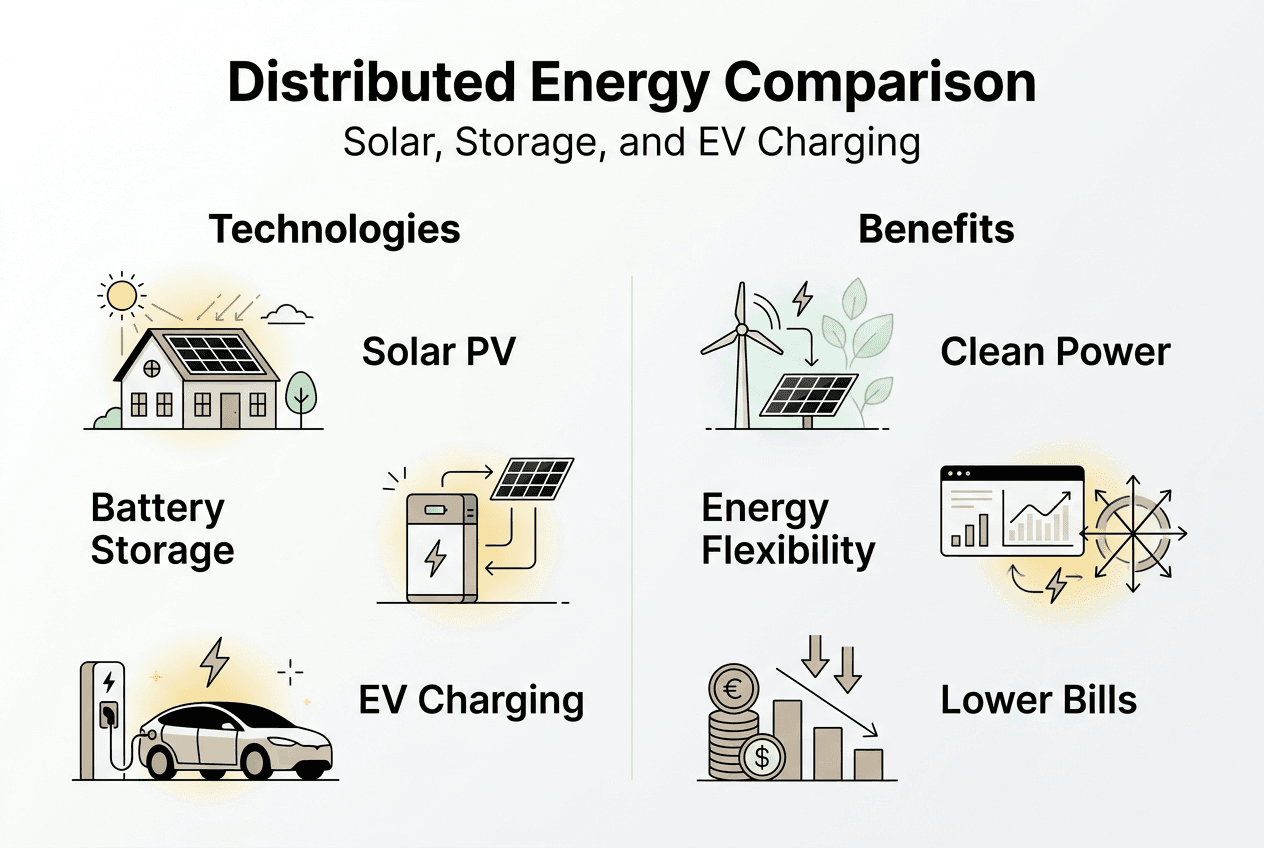
| Technology | Primary Function | Typical Cost | Best Use Case | | — | — | — | | Solar PV | Generate clean electricity from sunlight | €5,000-€15,000 for residential systems | Properties with good roof exposure and high daytime consumption | | Battery Storage | Store excess energy for later use | €7,000-€12,000 for 10-16 kWh systems | Sites with time-of-use rates or frequent grid instability | | EV Chargers | Enable vehicle charging and grid interaction | €800-€2,500 for smart chargers | Homes and businesses with electric vehicles |
Solar photovoltaic systems form the foundation. Panels convert sunlight into direct current electricity, which inverters transform into usable alternating current. Installation takes one to three days for residential properties. Commercial systems require longer timelines but scale efficiently. Maintenance involves occasional cleaning and annual inspections. Most panels carry 25-year performance warranties.
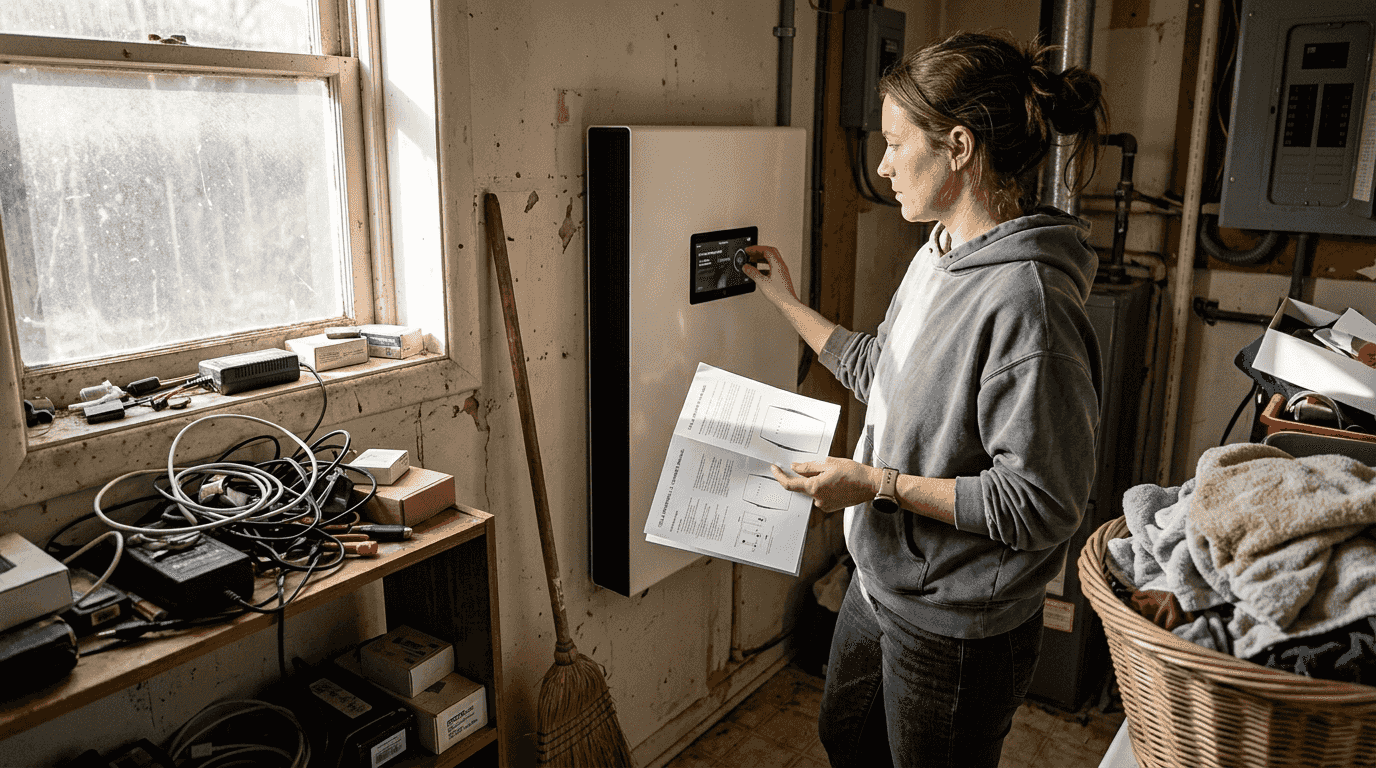
Battery storage captures surplus solar generation for use during evenings and cloudy periods. Modern lithium systems charge and discharge thousands of times with minimal degradation. The residential storage impact extends beyond simple time-shifting. Batteries provide backup power during outages and enable participation in grid services programs. Installation complexity varies, with some units mounting on walls while others require dedicated spaces.
EV chargers complete the distributed energy ecosystem. Smart chargers communicate with battery systems and the grid, optimizing charging times based on electricity prices and solar availability. Level 2 chargers deliver 7-22 kW, fully charging most vehicles overnight. Businesses benefit from fleet management features that track usage and allocate costs. The grid-connected battery storage central europe integration allows vehicles to potentially return power to buildings during peak demand.
Key considerations for each technology:
Solar requires adequate roof space, structural integrity, and minimal shading
Batteries need temperature-controlled environments and proper ventilation
EV chargers demand sufficient electrical capacity and accessible parking locations
Combining technologies multiplies benefits. Solar panels generate power, batteries store excess for evening use, and EV chargers draw from stored energy at optimal times. This integration maximizes self-consumption while minimizing grid dependence. Properties can achieve 70-90% energy independence with properly sized systems.
Pro Tip: Size your battery based on evening consumption patterns, not total daily use. This prevents oversizing while ensuring adequate backup capacity.
Regulatory frameworks and incentives shaping distributed energy adoption
Supportive policies and incentives accelerate distributed energy uptake in Europe through financial mechanisms and streamlined approval processes. Understanding these frameworks helps you maximize return on investment while ensuring compliance. National and EU-level programs vary significantly, making research essential before committing to installations.
Key policy categories include:
Feed-in tariffs guaranteeing payment for excess electricity exported to the grid
Net metering allowing properties to offset consumption with generation
Capital subsidies reducing upfront installation costs by 20-40%
Tax credits and accelerated depreciation for business installations
Simplified permitting for small-scale residential systems
Feed-in tariffs remain popular across central Europe. These programs guarantee fixed payments for renewable electricity over 10-20 year periods. Rates vary by country and installation date, with newer systems typically receiving lower tariffs than earlier adopters. Some nations phase out feed-in tariffs as markets mature, transitioning to net metering or direct sales models.
Net metering simplifies the value proposition. Your meter runs backward when solar generation exceeds consumption, crediting you for exports at retail rates. This one-to-one exchange makes financial calculations straightforward. However, several countries now implement time-of-use net metering, where export credits vary based on grid demand.
Capital subsidies directly reduce installation costs. Programs typically cover 25-35% of system expenses for residential projects. Business installations may qualify for higher percentages, especially when incorporating energy storage for industry central europe applications. Application processes require documentation of equipment specifications and installer certifications.
Grid interconnection regulations determine how smoothly you can connect distributed systems. Most countries mandate standardized application forms and maximum approval timelines. Small residential systems under 10 kW often qualify for expedited review. Larger commercial installations face more scrutiny regarding grid impact and safety equipment.
Compliance obligations include safety certifications, regular inspections, and reporting requirements. Certified installers handle most paperwork, but property owners remain responsible for maintaining systems according to standards. Insurance policies may require specific safety features like rapid shutdown systems and arc fault protection.
The distributed energy zakelijke impact uitleg extends to corporate tax strategies. Businesses can depreciate solar and battery investments over shortened periods, improving cash flow. Some jurisdictions exempt renewable energy equipment from property taxes. Professional tax advisors help identify all available benefits.
Discover comprehensive distributed energy solutions at Belinus
The insights shared here represent just the starting point for your distributed energy journey. Belinus specializes in integrated solutions combining solar PV, battery storage, and EV charging through intelligent energy management systems. Our approach addresses residential and commercial needs with technologies like the Energy Wall G1 graphene supercapacitor and scalable utility storage modules.
Explore how Belinus can design a system matching your property’s energy profile and financial goals. Our quotation software models 25-year financial projections, showing exactly how distributed energy investments perform over time. Whether you need a residential setup or utility-scale installation, our team provides expert guidance from initial assessment through ongoing optimization.
FAQ
What are the main benefits of distributed energy for homeowners?
Distributed energy increases energy independence by generating power onsite, reducing monthly electricity bills through self-consumption. Local generation minimizes exposure to grid outages and price volatility. Homeowners gain control over their energy future while contributing to environmental sustainability.
How does battery storage improve renewable energy use?
Batteries store excess solar or wind energy produced during peak generation for use when production drops. This time-shifting optimizes self-consumption and reduces reliance on grid electricity during expensive peak hours. Storage systems also provide backup power during outages, enhancing property resilience.
Are there financial incentives for installing distributed energy in Europe?
Subsidies, tax credits, and feed-in tariffs are widely available across European countries, though specific programs vary regionally. Many nations offer capital grants covering 25-35% of installation costs. Research local incentive programs before planning your system to maximize financial benefits.
How long do distributed energy systems typically last?
Solar panels carry 25-year performance warranties and often function for 30-35 years with minimal degradation. Battery systems last 10-15 years depending on usage patterns and technology type. EV chargers have 10-15 year lifespans, with smart features receiving software updates throughout their service life.
Can businesses participate in grid services with distributed energy?
Businesses with battery storage can provide frequency regulation, demand response, and energy arbitrage services to grid operators. These programs generate additional revenue streams beyond electricity savings. Participation requirements vary by country and typically require minimum system sizes and certified equipment.
Recommended
Comments