Energy Efficiency Explained: Smarter Solutions for 2026
- Feb 10
- 7 min read

Reducing energy waste without sacrificing comfort or productivity has become a top challenge for energy managers across Central Europe. Rising costs and stricter environmental targets mean intelligent energy management now goes far beyond simple hardware upgrades. With the European Union placing energy efficiency at the center of its policy agenda and the rapid growth of integrated battery and smart charging systems, this article provides insight into the strategies and technologies helping organizations succeed in a changing energy landscape.
Table of Contents
Key Takeaways
Point | Details |
Understanding Energy Efficiency | Energy efficiency is about intelligent energy management, focusing on reducing waste while optimizing performance through strategic policies and technologies. |
Core Technologies Integration | The integration of battery storage, solar, and energy management systems creates a holistic energy ecosystem that enhances efficiency and supports renewable energy adoption. |
Smart EV Charging Impact | Smart EV charging technologies optimize energy consumption and grid stability, facilitating better integration of renewable energy sources into transportation. |
Investing in Energy Efficiency | Investments in energy efficiency technologies can provide significant long-term economic benefits, enhanced by government incentives and potential operational savings. |
Defining Energy Efficiency and Common Misconceptions
Energy efficiency represents a strategic approach to reducing energy consumption while maintaining performance levels across residential, commercial, and industrial systems. At its core, energy efficiency aims to minimize waste by optimizing how we generate, distribute, and utilize energy resources.
Contrary to popular misconceptions, energy efficiency is not simply about reducing energy use, but about intelligent energy management. The European Union has been pioneering this perspective through its energy efficiency policy framework, which emphasizes a comprehensive approach to energy transformation.
Key characteristics of energy efficiency include:
Reducing total energy consumption without compromising performance
Implementing smart technologies that optimize energy use
Minimizing greenhouse gas emissions
Creating economic opportunities through innovative energy solutions
Enhancing overall system resilience and sustainability
Many individuals mistakenly believe energy efficiency is solely about technical interventions or cost savings. However, strategic policy analyses reveal it’s a complex, multidimensional concept involving technological, economic, and environmental considerations.
By understanding energy efficiency as a holistic strategy rather than a narrow technical fix, organizations and individuals can develop more comprehensive approaches to energy management. This involves not just implementing efficient technologies, but also changing behavioral patterns, investing in smart infrastructure, and adopting systemic perspectives on energy consumption.
Pro tip: Conduct a comprehensive energy audit to identify specific efficiency opportunities within your home or business infrastructure.
Core Technologies: Batteries, Solar, and EMS Integration
The convergence of battery storage, solar photovoltaic systems, and energy management technologies represents a transformative approach to modern energy infrastructure. As renewable energy sources become increasingly critical, integrated technologies enable more intelligent, flexible, and sustainable power generation and consumption strategies.

In 2023, the European energy landscape witnessed a significant transformation, with solar battery storage markets expanding dramatically. The market experienced a remarkable 94% growth, highlighting the accelerating adoption of advanced energy technologies across residential and commercial sectors.
Key components of integrated energy systems include:
Battery Storage Systems: Enable energy capture and redistribution
Solar Photovoltaic Panels: Generate renewable electricity
Energy Management Systems (EMS): Optimize energy flow and consumption
Smart Grid Interfaces: Facilitate dynamic energy trading
IoT-enabled Monitoring: Provide real-time performance tracking
The integration of these technologies creates a holistic energy ecosystem that addresses multiple challenges:
Reducing carbon emissions
Enhancing grid stability
Minimizing energy costs
Increasing renewable energy penetration
Providing resilient power infrastructure
Commercial and residential sectors are increasingly adopting integrated energy storage solutions that combine solar generation, advanced battery technologies, and intelligent management systems. These solutions enable more precise control over energy consumption, allowing users to optimize their power usage and reduce overall environmental impact.
Pro tip: Invest in a comprehensive energy management system that allows real-time monitoring and dynamic energy optimization across your infrastructure.
Here’s how the main energy technologies integrate to deliver key energy benefits:
Technology Component | Core Function | Added Value for Users |
Battery Storage Systems | Stores and redistributes energy | Provides backup and savings |
Solar Photovoltaic Panels | Generates clean electricity | Reduces reliance on grid |
Energy Management Systems (EMS) | Optimizes energy flow | Maximizes efficiency, lowers costs |
Smart Grid Interfaces | Enables dynamic energy exchange | Supports flexible consumption |
Smart EV Charging and Energy Storage Applications
The evolution of electric vehicle (EV) charging technologies represents a critical frontier in sustainable transportation and energy management. As the automotive industry rapidly transitions towards electrification, smart charging systems are emerging as a pivotal solution for optimizing energy consumption and grid integration.
Smart EV charging technologies are revolutionizing how electric vehicles interact with power infrastructure, addressing complex challenges such as grid stability, renewable energy integration, and consumer convenience. These advanced systems enable dynamic charging strategies that respond to real-time grid conditions, electricity tariffs, and individual user preferences.
Key features of intelligent EV charging and energy storage applications include:
Dynamic Load Balancing: Adjusting charging rates based on grid demand
Renewable Energy Optimization: Prioritizing charging during peak solar/wind generation
Cost Minimization: Scheduling charging during lowest electricity price periods
Grid Stress Reduction: Distributing electrical load to prevent infrastructure overload
Vehicle-to-Grid (V2G) Capabilities: Using EV batteries as distributed energy resources
The European regulatory framework is actively supporting these technological innovations. The European Parliament’s 2025 infrastructure initiatives are specifically designed to accelerate smart charging deployment, focusing on:
Developing interoperable charging standards
Creating regulatory frameworks for grid integration
Supporting technological innovation
Ensuring consumer accessibility
Promoting sustainable transportation solutions
Commercial and residential sectors are increasingly adopting energy storage best practices that leverage these intelligent charging technologies. By implementing sophisticated energy management systems, users can significantly reduce their carbon footprint while optimizing economic performance.
Pro tip: Invest in a smart EV charging system with real-time monitoring and dynamic pricing capabilities to maximize energy efficiency and cost savings.
Financial Impact and Return on Investment Factors
Investments in energy efficiency technologies represent a strategic financial opportunity for businesses and homeowners seeking long-term economic benefits. Global energy efficiency investments are gaining momentum, driven by compelling economic incentives and technological advancements that promise substantial returns.
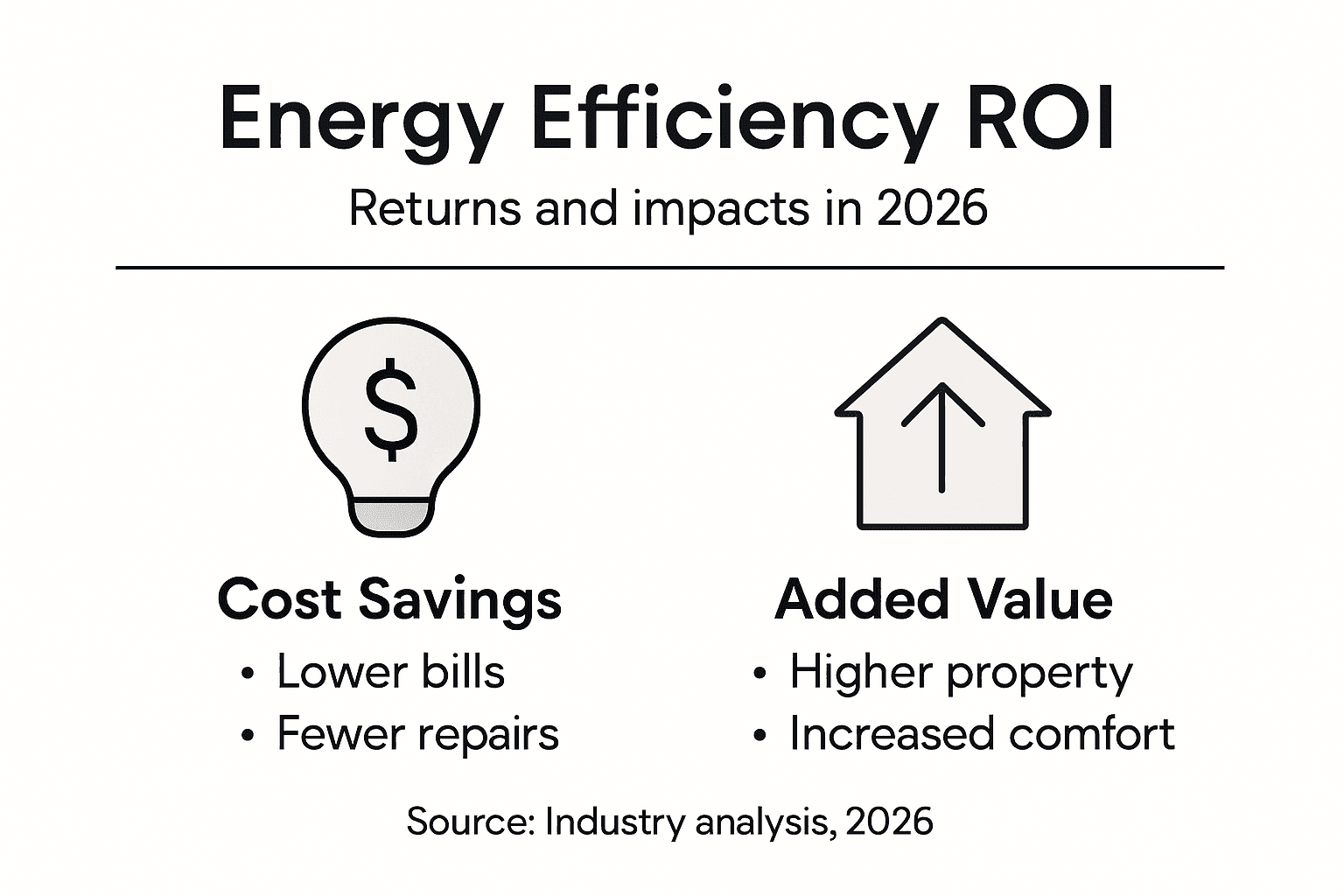
The financial landscape for energy efficiency investments is complex, involving multiple factors that influence return on investment. Small and medium enterprises (SMEs) face unique challenges in navigating these investment decisions, requiring sophisticated approaches to financial planning and risk assessment.
Key financial considerations for energy efficiency investments include:
Upfront Capital Costs: Initial investment requirements
Energy Bill Reductions: Projected monthly and annual savings
Government Incentives: Tax credits and grants
Technology Performance: Efficiency ratings and longevity
Depreciation Benefits: Tax advantages for equipment investments
The European Investment Bank highlights that targeted financial support can significantly enhance investment outcomes for firms. Critical strategies for maximizing financial returns involve:
Conducting comprehensive energy audits
Analyzing long-term cost-benefit scenarios
Exploring flexible financing options
Leveraging government and institutional support programs
Implementing phased investment approaches
Financial models demonstrate that energy efficiency investments typically deliver returns through multiple channels, including direct energy cost reductions, improved operational efficiency, and potential revenue from grid services. These multifaceted benefits make such investments increasingly attractive across residential and commercial sectors.
Pro tip: Develop a detailed 10-year financial model that accounts for technology performance, energy price fluctuations, and potential incentive changes to accurately project your investment returns.
The following table summarizes the principal financial factors and their business impact for energy efficiency investments:
Financial Factor | Typical Example | Impact on ROI |
Upfront Capital Cost | Cost to purchase/install new equipment | Higher initial outlay |
Energy Bill Savings | Reduction in monthly/annual utility bills | Increases long-term returns |
Government Incentives | Tax credits and grants available | Improves payback period |
Depreciation Benefits | Tax write-offs for equipment over time | Enhances after-tax savings |
Overcoming Barriers: Regulatory, Technical, and Operational
Transitioning to advanced energy systems requires navigating complex barriers that span regulatory, technical, and operational domains. The path to widespread energy efficiency adoption is fraught with challenges that demand strategic, multifaceted approaches.
Renewable energy permitting challenges reveal significant obstacles in European energy infrastructure development. These barriers encompass fragmented regulatory frameworks, bureaucratic complexities, and insufficient institutional capacity.
Key barriers preventing effective energy technology implementation include:
Regulatory Complexity: Inconsistent and overlapping legal frameworks
Grid Integration Challenges: Technical limitations in existing infrastructure
Financial Constraints: High upfront investment requirements
Technological Interoperability: Compatibility issues between different systems
Skill and Knowledge Gaps: Limited expertise in emerging technologies
Energy communities, particularly in Central and Eastern Europe, face unique legal and technical challenges that impede clean energy transitions. These challenges manifest through:
Incomplete regulatory structures
Delayed grid access permissions
High infrastructure transformation costs
Limited public awareness and engagement
Insufficient technical support mechanisms
Successful barrier mitigation requires comprehensive strategies that address systemic limitations. This involves harmonizing procedures, establishing clear regulatory responsibilities, developing digital infrastructure, and creating supportive policy environments that encourage technological innovation and investment.
Pro tip: Develop a comprehensive cross-functional team that combines legal, technical, and operational expertise to systematically identify and address potential implementation barriers.
Unlock True Energy Efficiency with Belinus Solutions
The article highlights key challenges like optimizing energy consumption, integrating solar and battery storage, and harnessing smart EV charging to reduce costs and carbon footprint. If you are struggling with complex energy management or seeking a powerful return on investment, Belinus offers a holistic approach. Our intelligent Energy Management System seamlessly integrates solar PV, advanced battery storage, and cutting-edge EV chargers to transform how you use energy.
Experience smarter, scalable energy solutions tailored for both residential and commercial needs. Act now to benefit from next-generation products like the Energy Wall G1 graphene supercapacitor and ETAP Pro EV Charger integrated with fleet management. Visit Belinus to explore how to optimize with centralized EMS dynamic tariff and real-time grid services. Start your energy efficiency journey today and unlock financial and environmental gains with our expert support and innovative technologies.
Frequently Asked Questions
What is energy efficiency?
Energy efficiency refers to optimizing energy use to reduce overall consumption while maintaining performance levels. It involves implementing smarter technologies and practices to minimize energy waste.
How do renewable energy technologies contribute to energy efficiency?
Renewable energy technologies like solar panels and battery storage enhance energy efficiency by generating clean electricity and allowing for energy capture and redistribution, reducing reliance on traditional energy sources.
What are the benefits of using an energy management system (EMS)?
An energy management system optimizes energy flow and consumption in your infrastructure, helping to maximize efficiency, lower costs, and provide real-time monitoring of energy use.
How can I improve energy efficiency in my home or business?
You can improve energy efficiency by conducting an energy audit, investing in smart technologies, integrating renewable energy systems, and changing behavioral patterns related to energy consumption.
Recommended
Comments