Solar Plus Storage Integration for Homes: Step-by-Step Success
- Jan 5
- 8 min read
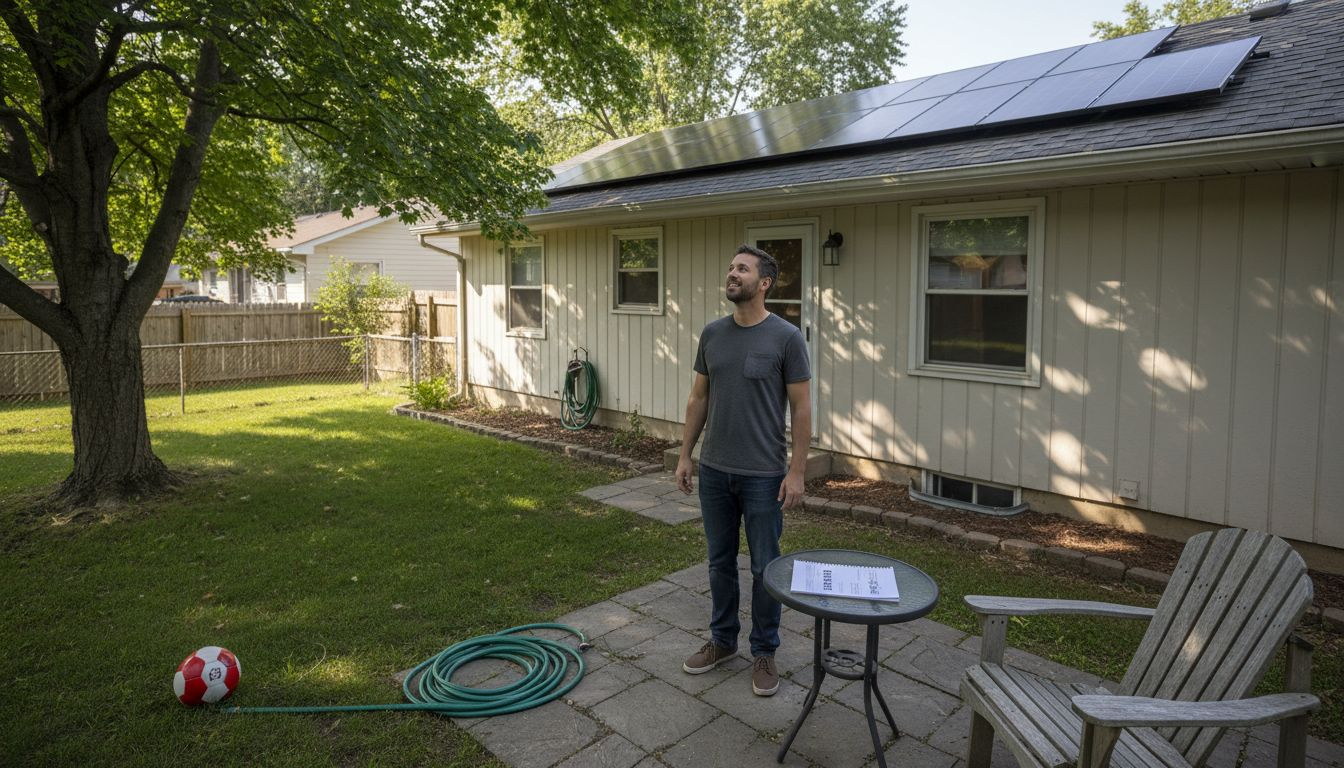
High energy prices in Central Europe make every kilowatt count for homeowners aiming for efficiency and independence. While American homeowners have widely embraced solar plus storage to cut costs, many Central Europeans are just beginning to realize the potential. Understanding your own site’s requirements is the first step to reliable savings. This guide explains clear strategies for evaluating your home’s energy profile and helps you set a strong foundation before investing in advanced solar solutions.
Table of Contents
Quick Summary
Key Insight | Explanation |
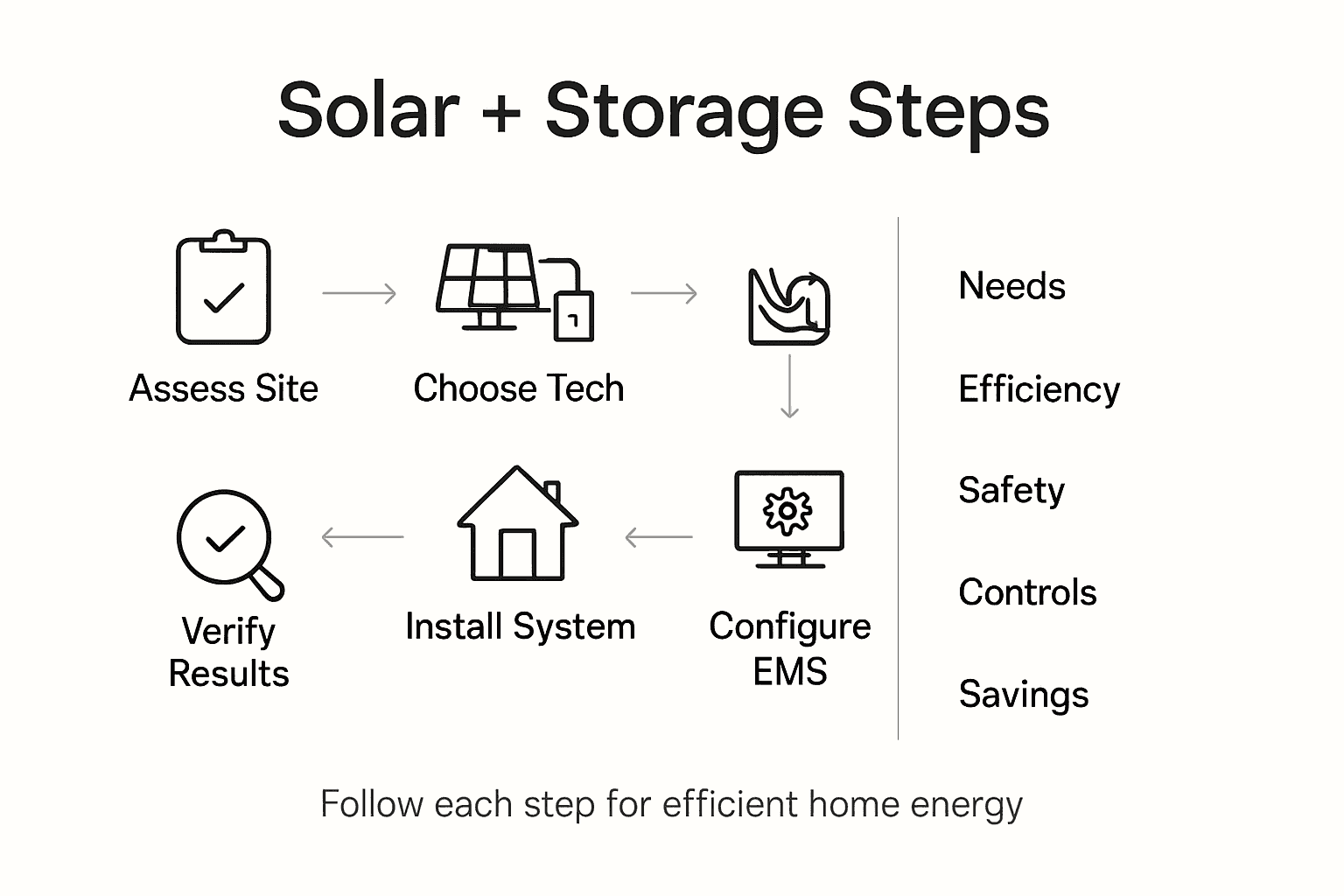
1. Conduct a detailed energy audit | Review electricity bills to understand consumption patterns, peak times, and seasonal variations tailored to your household needs. |
2. Choose appropriate solar and storage technologies | Select solar panels and batteries based on performance metrics compatible with your local climate and energy needs. |
3. Ensure professional installation and integration | Use an electrician for safe installation, verifying electrical safety protocols and system component compatibility. |
4. Configure intelligent energy management | Set up your energy management system to optimize solar use, automate battery cycles, and reduce grid dependency. |
5. Regularly verify performance and optimize | Monitor key performance indicators to adjust settings, maximizing efficiency and financial benefits over time. |
Step 1: Assess site requirements and energy needs
Successfully integrating solar plus storage starts with a comprehensive site evaluation. In this critical first step, you’ll map out your home’s unique energy landscape and determine the optimal solar plus storage solution that matches your specific needs.
Begin by conducting a detailed energy audit. Analyze your energy consumption patterns by reviewing your electricity bills from the past 12 months. Look for peak usage times, total monthly consumption, and seasonal variations. Consider factors like household size, appliance types, heating and cooling systems, and work-from-home patterns that might impact your energy profile. Gather precise data showing your average daily and monthly electricity consumption in kilowatt hours (kWh).
Next, assess your physical site conditions. Evaluate your roof’s orientation, pitch, available surface area, and potential shading from trees or nearby structures. Southern exposures typically provide the best solar generation potential in Central Europe. Measure the unobstructed roof space and note its structural integrity. Conduct a comprehensive renewable resource assessment that includes local solar irradiance levels, average sunlight hours, and seasonal weather patterns. These details will help determine the appropriate solar panel capacity and storage system size for your specific location.
Pro tip: Invest in a professional solar site assessment to get precise measurements and expert recommendations for your specific property configuration.
Step 2: Select compatible solar and storage technologies
Choosing the right combination of solar panels and storage technologies is crucial for creating an efficient and reliable home energy system. In this step, you will learn how to match solar generation capabilities with appropriate storage solutions that maximize your energy independence and performance.
Evaluate technology performance metrics by comparing solar panel efficiency ratings, inverter compatibility, and battery storage characteristics. Focus on technologies designed for Central European climate conditions. Look for solar panels with high performance in variable sunlight environments, typically monocrystalline or polycrystalline panels with efficiency ratings between 17% and 22%. For storage, prioritize lithium iron phosphate (LFP) batteries that offer longer lifecycles, better temperature tolerance, and improved safety compared to traditional lithium-ion alternatives.
Examine the integration capabilities of your selected technologies, paying close attention to how they communicate through your energy management system. Review battery storage integration strategies that allow dynamic charging and discharging based on household consumption patterns. Consider systems that offer real-time monitoring, allowing you to track energy production, storage levels, and consumption through mobile or web interfaces. Ensure your chosen components support intelligent load balancing and can automatically optimize energy usage during peak and off-peak periods.
Pro tip: Request detailed performance simulations from manufacturers that model your specific energy consumption and local solar generation potential before making a final technology selection.
Here’s a summary comparing popular solar panel and battery technologies for home use:
Technology Type | Key Advantages | Ideal Climate | Typical Lifespan |
Monocrystalline Panels | High efficiency, compact size | Variable sunlight | 25+ years |
Polycrystalline Panels | Lower cost, steady performance | Consistent sunlight | 20-25 years |
LFP Battery Storage | Long cycle life, high safety | All climates | 10+ years |
Standard Li-ion Batteries | Lower initial cost, moderate safety | Controlled environments | 5-10 years |
Step 3: Install system components and connect EMS
With your solar and storage technologies selected, you are now ready to physically install and integrate the system components. This critical phase transforms your technical plans into a functional home energy solution that will provide sustainable power and intelligent energy management.
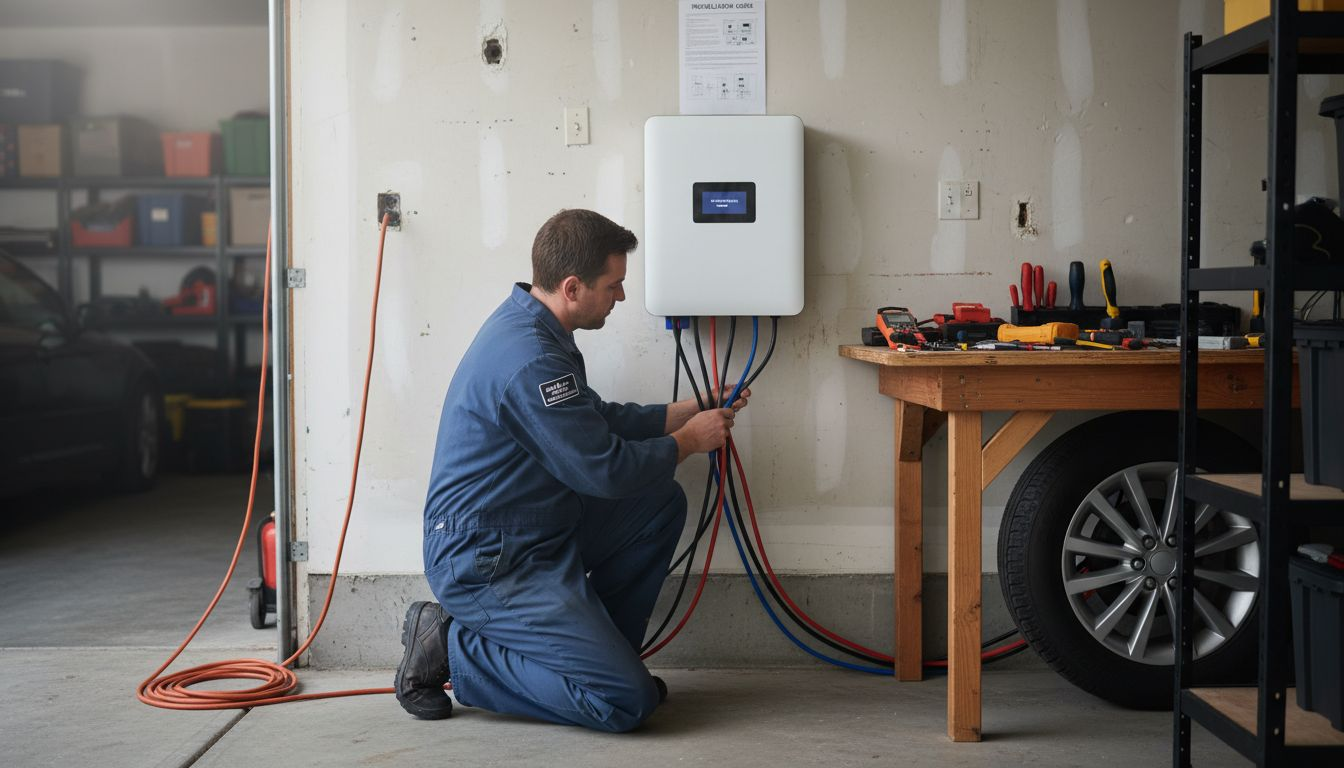
Carefully map out the installation sequence by first preparing your electrical infrastructure. Begin with mounting solar panels in the optimal roof location, ensuring proper angle and minimal shading. Install the inverter near your main electrical panel, creating a direct connection path. Next, position your battery storage system in a cool, dry area with adequate ventilation, typically a garage or utility room. Pay close attention to electrical safety protocols, using appropriate mounting hardware and following local building and electrical codes. Verify that all mounting surfaces can support the weight of solar panels and storage units.
Connect your energy management system (EMS) by establishing communication protocols between solar panels, battery storage, and your home’s electrical infrastructure. Configure the EMS to enable intelligent load balancing, allowing automatic switching between solar generation, battery storage, and grid power. Install communication modules that enable real-time monitoring through mobile or web interfaces. Ensure all system components have compatible communication protocols and can exchange data seamlessly, creating a unified and responsive energy ecosystem.
Pro tip: Always have a licensed electrician perform final connections and system validation to ensure safety and compliance with local electrical regulations.
Step 4: Configure energy management and mobile controls
Your solar plus storage system comes alive through intelligent configuration of its energy management system and mobile controls. This step transforms your hardware installation into a dynamic energy ecosystem that responds to your household needs in real time.
Design your energy management system by establishing intelligent rules for energy generation, storage, and consumption. Start by setting priority modes that define how your system handles energy flows. Configure automatic charge and discharge cycles that maximize solar utilization and minimize grid dependency. Program time-based rules that enable battery charging during low-cost electricity periods and discharge during peak pricing hours. Create custom profiles that align with your daily energy consumption patterns, such as prioritizing battery power during evening hours or maintaining a reserve capacity for potential power outages.
Optimize your mobile control interface by installing the manufacturer’s mobile application and creating a comprehensive user profile. Connect your system to the mobile app, ensuring secure authentication and real-time data synchronization. Set up personalized notifications that alert you about energy production, storage levels, and potential system anomalies. Customize your dashboard to display key metrics like current solar generation, battery state of charge, grid interaction, and estimated energy savings. Enable remote control features that allow you to adjust system settings or switch between operational modes directly from your smartphone.
Pro tip: Practice using your mobile controls during the first few weeks to develop a deep understanding of your system’s capabilities and fine-tune its performance.
Step 5: Verify performance and optimize savings
After installation and configuration, your solar plus storage system requires ongoing performance verification to ensure maximum efficiency and financial benefits. This final step focuses on transforming your technical setup into a continuously optimized energy solution.
Conduct comprehensive performance analysis by systematically tracking key performance indicators through your mobile application and energy management system. Compare actual energy generation with predicted output, monitoring solar panel efficiency, battery storage performance, and overall system responsiveness. Analyze your daily and monthly energy consumption patterns, identifying opportunities to adjust your system’s operational settings. Pay special attention to metrics like solar utilization rate, grid independence percentage, and total energy cost savings.
Develop an iterative optimization strategy that involves regular system performance reviews. Adjust your energy management system settings based on observed performance data, fine-tuning charge and discharge cycles to maximize solar utilization and minimize grid dependency. Experiment with different operational modes during various seasons, recognizing that your energy needs will fluctuate throughout the year. Consider seasonal variations in solar generation and adapt your battery storage strategies accordingly, ensuring you maintain an optimal balance between energy production, storage, and consumption.
Pro tip: Schedule quarterly system performance reviews and be prepared to make incremental adjustments to maintain peak efficiency and maximize your financial returns.
Below is a quick reference guide to important performance indicators and their impact on system optimization:
Indicator | What It Tracks | Why It Matters |
Solar Utilization Rate | Share of solar energy used | Maximizes self-consumption |
Grid Independence | Percent of time off-grid | Measures energy autonomy |
Battery State of Charge | Battery capacity at any time | Prevents outages, manages load |
Monthly Cost Savings | Reduced energy expenses | Assesses financial impact |
Elevate Your Home Energy with Intelligent Solar Plus Storage Solutions
Integrating solar plus storage can feel complex after assessing your home’s energy needs and technology choices. You want to overcome challenges like matching solar panel efficiency, battery safety, and dynamic energy management. Belinus understands these pain points and offers powerful solutions designed to maximize your energy independence while simplifying installation and performance optimization.
With options like the Energy Wall G1 graphene supercapacitor and advanced Solis Inverters combined through our intelligent Energy Management System, you get seamless real-time control over solar generation, battery storage, and grid interaction. This ensures you can easily monitor system performance and adjust settings right from your smartphone. Don’t let complicated integration hold you back from sustainable savings.
Start your journey towards smart home energy today. Experience the future of residential solar plus storage by visiting Belinus to explore how our tailored solutions can meet your unique energy demands.
Ready to optimize your solar plus storage integration

Discover your custom options with Belinus. Act now to secure an efficient, safe, and intelligent energy system that adapts to you.
Frequently Asked Questions
How can I assess my home’s energy needs for solar plus storage integration?
Begin by conducting a detailed energy audit to analyze your electricity usage patterns over the past year. Review your bills to identify peak times and calculate your average monthly consumption in kilowatt hours (kWh).
What factors should I consider when selecting solar panels and storage technologies?
Focus on performance metrics such as efficiency ratings and compatibility with your energy management system. Choose solar panels suited for variable sunlight and prioritize lithium iron phosphate (LFP) batteries for better safety and longevity.
What is the installation process for solar plus storage systems?
The installation begins with mounting solar panels, positioning the inverter, and setting up the battery storage system. Follow local codes and ensure safety protocols are observed during the installation to create a compliant energy solution.
How do I configure the energy management system for optimal performance?
Set up rules for energy generation, storage, and consumption that align with your household needs. Program automatic charge and discharge cycles to maximize solar energy use and minimize grid reliance during peak pricing hours.
How can I verify the performance of my solar plus storage system?
Conduct regular performance analysis by tracking key metrics through your energy management system. Compare actual energy generation against predictions to identify areas for adjustment and optimize your settings accordingly.
What are the essential performance indicators to monitor in a solar plus storage system?
Key indicators include solar utilization rate, grid independence, battery state of charge, and monthly cost savings. Monitoring these allows you to make informed adjustments, ensuring your system operates at peak efficiency.
Recommended
Comments