7 Types of Solar Panels Explained for Smart Energy Choices
- Dec 22, 2025
- 10 min read
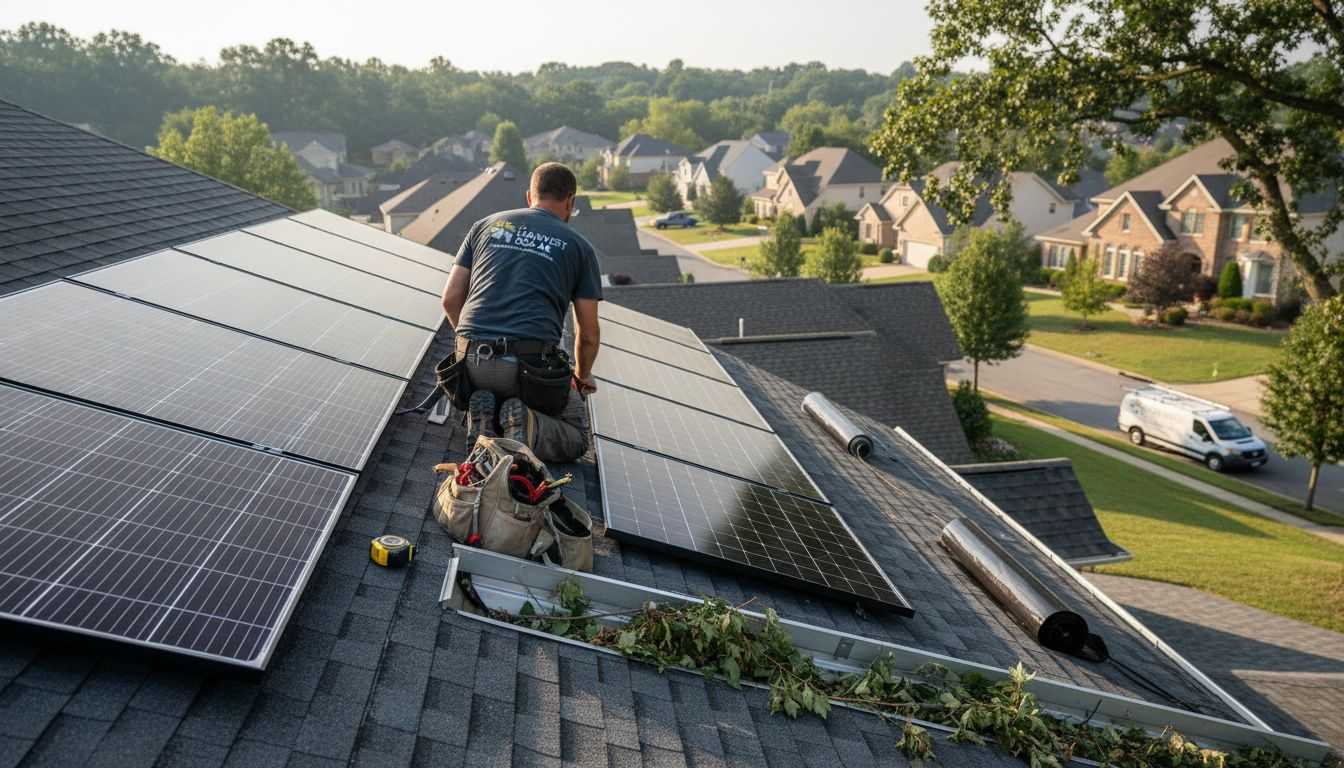
Nearly 4 million American homes have already switched to solar energy, yet the choices can seem overwhelming. With new panel technologies arriving each year, homeowners are left weighing efficiency, cost, and installation needs. Understanding the unique advantages of each panel type lets you match the right solution to your roof, potential savings, and future energy demands, while sidestepping common mistakes seen across the American market.
Table of Contents
Quick Summary
Takeaway | Explanation |
1. Choose Monocrystalline for High Efficiency | Monocrystalline panels provide the highest energy conversion efficiency, reaching up to 21.1%, ideal for limited roof space. |
2. Consider Polycrystalline for Budget Solutions | Polycrystalline panels are more affordable with efficiency between 13-16%, suitable for larger surface areas. |
3. Evaluate Thin-Film for Flexibility | Thin-film panels offer adaptability for unique installations but have lower efficiency compared to crystalline technologies. |
4. Bifacial Panels Capture More Energy | Bifacial panels can generate electricity from both sides, enhancing performance in reflective environments like snow or light-colored surfaces. |
5. Consult Professionals for Optimal Installation | A comprehensive site assessment by a solar expert can maximize energy production and determine the best panel type for your needs. |
1. Monocrystalline Panels: Efficient Power for Homes
Monocrystalline solar panels represent the gold standard of residential solar technology, offering homeowners a powerful and efficient energy solution. These panels are crafted from single crystal silicon structures, creating a sleek, uniform appearance that maximizes power generation for your home.
Unlike other solar panel types, monocrystalline panels are manufactured using a sophisticated process that involves growing a single pure silicon crystal, which is then sliced into thin wafers. This meticulous production method results in panels with impressive performance characteristics, achieving a maximum power output of 173.85 W even under standard residential conditions.
The key advantage of monocrystalline panels lies in their superior energy conversion efficiency. Scientific research has demonstrated that these panels can reach efficiency levels up to 21.1%, particularly when installed on optimal substrates. This means you can generate more electricity from a smaller surface area compared to other panel types, making them ideal for homes with limited roof space.
When considering monocrystalline panels for your home, pay close attention to installation conditions. Substrate selection can significantly impact panel performance, with ground soil installations showing the highest efficiency rates. This underscores the importance of professional assessment and strategic placement to maximize your solar investment.
Pro tip: Before installing monocrystalline panels, have a solar professional conduct a comprehensive site evaluation to determine the optimal panel orientation, angle, and substrate to ensure you achieve maximum energy production and return on investment.
2. Polycrystalline Panels: Affordable Solar Solutions
Polycrystalline solar panels offer an economical and practical approach to renewable energy for homeowners seeking budget friendly solar solutions. These panels are distinguished by their distinctive blue color and multicrystalline silicon composition, representing a cost effective alternative to more expensive solar technologies.
Manufactured by melting multiple silicon fragments together, polycrystalline panels have a unique production process that allows for more affordable manufacturing. Research from solar energy experts reveals these panels typically achieve efficiency ranges between 13 and 16 percent, making them an attractive option for residential and commercial installations with larger surface areas.
The key advantage of polycrystalline panels is their lower production cost, which translates directly into more accessible pricing for consumers. While they may have slightly lower efficiency compared to monocrystalline panels, they provide an excellent balance between performance and affordability. According to the American Solar Energy Society, these panels can reliably generate electricity for 20 to 35 years, offering a robust long term energy solution.
When considering polycrystalline panels, homeowners should evaluate their specific energy needs, roof space, and budget. These panels work exceptionally well in locations with ample sunlight and when you have sufficient roof or ground area to accommodate their slightly lower efficiency.
Pro tip: Before installation, request a comprehensive solar assessment that compares polycrystalline panel performance against your specific energy consumption patterns to ensure you select the most cost effective solar solution for your property.
3. Thin-Film Panels: Flexible Solar Technology
Thin film solar panels represent a cutting edge approach to photovoltaic technology, offering unprecedented flexibility and adaptability in solar energy generation. These innovative panels stand apart from traditional crystalline solar technologies by using extremely thin layers of photovoltaic material deposited directly onto flexible substrates.
Research highlights the unique performance characteristics of thin film solar modules, particularly their exceptional performance in challenging environmental conditions. Unlike rigid panel designs, thin film technology demonstrates remarkable resilience in high temperature environments and partially shaded locations, making them an intriguing option for diverse installation scenarios.
The key advantages of thin film panels include their lightweight construction, ability to conform to various surfaces, and reduced manufacturing complexity. These panels can be integrated into building materials, portable devices, and architectural elements where traditional solar panels would be impractical. Their unique manufacturing process allows for significantly lower production costs and greater design flexibility.
Homeowners and commercial property owners can leverage thin film technology in numerous creative ways, such as integrating solar capabilities into curved surfaces, mobile equipment, or areas with non standard architectural designs. While their efficiency remains lower than crystalline panels, their adaptability opens up solar energy possibilities in previously challenging environments.
Pro tip: When considering thin film solar panels, carefully evaluate your specific installation environment and energy requirements, as their performance can vary significantly based on specific site conditions and sunlight exposure.
4. Bifacial Panels: Double-Sided Energy Gain
Bifacial solar panels represent a revolutionary approach to photovoltaic technology, capturing sunlight from both their front and back surfaces to maximize energy production. These innovative panels transform traditional solar energy generation by creating multiple pathways for electricity generation.
Advanced research into solar cell technologies reveals that bifacial panels, particularly those using PERC cell technology, demonstrate significantly higher efficiency and power output compared to conventional single sided panels. The unique design allows panels to absorb reflected and indirect sunlight from surrounding surfaces, effectively increasing total energy generation potential.
The core innovation of bifacial panels lies in their ability to capture additional solar energy from reflected light. This means panels can generate electricity not just from direct sunlight striking their primary surface, but also from light bouncing off the ground, nearby surfaces, or even surrounding buildings. Such technology is especially powerful in environments with high reflectivity, such as snow covered landscapes, light colored rooftops, or areas with significant ambient light.
Tracking systems can further enhance the performance of bifacial panels, with dual axis solar trackers demonstrating remarkable improvements in energy capture. By dynamically adjusting panel orientation throughout the day, these systems maximize the potential of both panel surfaces, creating a more efficient solar energy generation approach.
Pro tip: When installing bifacial panels, consider ground surface reflectivity and choose light colored or reflective ground coverings to maximize the additional energy generation potential from the panel’s rear surface.
5. PERC Panels: Boosting Performance and Longevity
PERC (Passive Emitter and Rear Cell) solar panels represent a groundbreaking advancement in photovoltaic technology, offering homeowners and businesses a powerful solution for enhanced energy generation. These innovative panels are designed to overcome traditional solar panel limitations by improving light absorption and electron movement within the solar cell.
Scientific research demonstrates that PERC solar cells consistently exhibit the highest efficiency among contemporary solar technologies. The key innovation lies in their unique rear cell structure, which includes a specialized passive layer that reflects unabsorbed light back through the solar cell, effectively capturing additional energy that would otherwise be lost.
The fundamental advantage of PERC panels is their ability to generate more electricity in challenging environmental conditions. By implementing a microscopic reflective back layer, these panels can capture light that traditional solar panels would simply miss. This design translates into higher power output and improved performance, especially in low light or partially shaded environments.
Advanced tracking systems can further optimize the performance of PERC panels, allowing them to maintain high efficiency across varying sunlight conditions. Dual axis solar trackers can help these panels maximize energy capture by dynamically adjusting their orientation throughout the day, ensuring consistent and robust electricity generation.
Pro tip: When considering PERC panels, consult with a solar professional who can assess your specific location and energy needs to determine the optimal panel configuration and mounting strategy for maximum long term energy production.
6. Graphene-Enhanced Panels: Next-Gen Solar Innovation
Graphene-enhanced solar panels represent a cutting edge frontier in renewable energy technology, promising to revolutionize how we capture and convert solar energy. These advanced panels integrate graphene a remarkable nanomaterial with extraordinary electrical and thermal properties into traditional solar cell designs.
The core innovation of graphene enhanced panels lies in their ability to dramatically improve solar energy conversion efficiency. Graphene acts as an exceptional conductor, allowing electrons to move more freely and reducing energy loss during electricity generation. This microscopic material can potentially increase solar panel performance by enhancing light absorption and electron mobility.
Scientific research continues to explore advanced solar cell technologies, with graphene emerging as a promising material for next generation solar solutions. Its unique atomic structure enables superior electron transport compared to traditional silicon based materials, creating opportunities for more compact and efficient solar panels.
Homeowners and businesses considering solar investments should monitor the development of graphene enhanced panels, as they represent a potential breakthrough in renewable energy technology. These panels could offer higher energy yields, improved durability, and more compact designs compared to conventional solar technologies.
Pro tip: Stay informed about emerging graphene solar technologies by following scientific publications and renewable energy conferences, as this field is rapidly evolving with potential breakthrough innovations on the horizon.
7. Picking the Right Solar Panel for Your Needs
Selecting the ideal solar panel is a nuanced decision that requires careful consideration of your specific energy requirements, budget, and installation environment. Understanding the strengths and limitations of different solar panel technologies can help you make an informed investment that maximizes your renewable energy potential.
Comprehensive comparisons of solar panel technologies reveal that no single panel type is universally perfect. Your ideal solution depends on multiple factors including available space, budget, local climate, and energy consumption patterns.
The key selection criteria for solar panels include:
Efficiency: How much sunlight can be converted to electricity Cost: Initial investment and long term financial returns Space Requirements: Available installation area Environmental Performance: Durability in your specific climate Aesthetic Preferences: Appearance and design integration
Solar energy beginner guides recommend analyzing your specific energy needs before making a final decision. Consider factors like your average monthly electricity consumption, roof orientation, shading conditions, and local solar irradiance levels.
For residential installations, monocrystalline and polycrystalline panels often provide the best balance between performance and affordability. Commercial and industrial projects might benefit from more specialized technologies like bifacial or PERC panels that offer enhanced energy generation capabilities.
Pro tip: Consult a professional solar energy consultant who can conduct a comprehensive site assessment and provide personalized recommendations tailored to your specific property and energy requirements.
Below is a comprehensive table summarizing the main features, benefits, and considerations of different solar panel technologies discussed in the article.
Solar Panel Type | Features | Key Advantages | Considerations |
Monocrystalline | Made from single crystal silicon; sleek and efficient design | High efficiency (up to 21.1%); ideal for limited roof space | Requires optimal installation conditions |
Polycrystalline | Composed of multiple silicon fragments | Cost-effective; suitable for larger areas | Lower efficiency (13-16%) |
Thin-Film | Uses thin layers on flexible substrates | Lightweight; adaptable to various surfaces | Lower efficiency; best for non-standard designs |
Bifacial | Captures sunlight from both sides | Higher efficiency with reflected light | Best in high reflectivity areas; enhanced by tracking systems |
PERC | Features a reflective rear cell layer | Improved performance in low-light conditions | May require advanced tracking systems |
Graphene-Enhanced | Integrates conductive graphene material | Enhanced conversion efficiency | Emerging technology; ongoing research |
Empower Your Energy Future with Smart Solar Choices
Understanding the unique features of solar panel technologies like Monocrystalline, PERC, and Graphene-enhanced panels is the first step toward making a smart and efficient energy investment. Choosing the right technology to match your home or business needs can feel overwhelming, especially when considering factors such as efficiency, cost, and space constraints highlighted in the article. At Belinus, we recognize these challenges and offer tailored solutions that integrate cutting-edge solar technology with intelligent energy management to maximize your savings and sustainability.

Explore how Belinus combines advanced products like graphene supercapacitor Energy Walls and Solis inverters with a centralized Energy Management System for optimized performance in any environment. Whether you want to boost residential energy efficiency or manage commercial utility-scale systems, our expert team designs and installs solutions that fit your unique situation. Visit Belinus today to discover how you can harness the full potential of solar technologies discussed in the article. Start your journey toward smarter energy by connecting with our residential solutions or learn about innovative integrations that suit your energy goals now.
Frequently Asked Questions
What are monocrystalline solar panels and how do they benefit homeowners?
Monocrystalline solar panels are made from single crystal silicon and are known for their high efficiency, achieving energy conversion rates up to 21.1%. To maximize your energy output, consider installing these panels if you have limited roof space and want to generate more electricity.
How do polycrystalline solar panels compare in affordability?
Polycrystalline solar panels are a cost-effective option for homeowners, achieving efficiency levels between 13 and 16 percent. Evaluate your budget and space needs to determine if these panels are the right choice, especially if you have ample roof area.
What are the advantages of thin-film solar panels?
Thin-film solar panels are lightweight and flexible, making them suitable for diverse installation scenarios, including curved surfaces. Assess your specific installation environment to see if this technology can meet your energy generation requirements.
How do bifacial solar panels enhance energy generation?
Bifacial solar panels capture sunlight from both their front and back surfaces, potentially increasing energy production significantly. To take full advantage, consider reflective ground surfaces to optimize the additional energy capture from the rear side of the panels.
What makes PERC panels a good choice for improving solar performance?
PERC panels have a unique rear cell structure that enhances light absorption and efficiency, making them ideal for low light or partially shaded conditions. Consult with a solar professional to design an optimal configuration that maximizes your energy output in challenging environments.
Why should I consider graphene-enhanced panels for future projects?
Graphene-enhanced solar panels are on the cutting edge of technology, promising higher efficiency and improved durability. Keep an eye on advancements in this field to ensure you select the most innovative solutions when investing in solar energy.
Recommended
Comments