Understanding inverter roles in solar systems 2026
- 2 days ago
- 7 min read
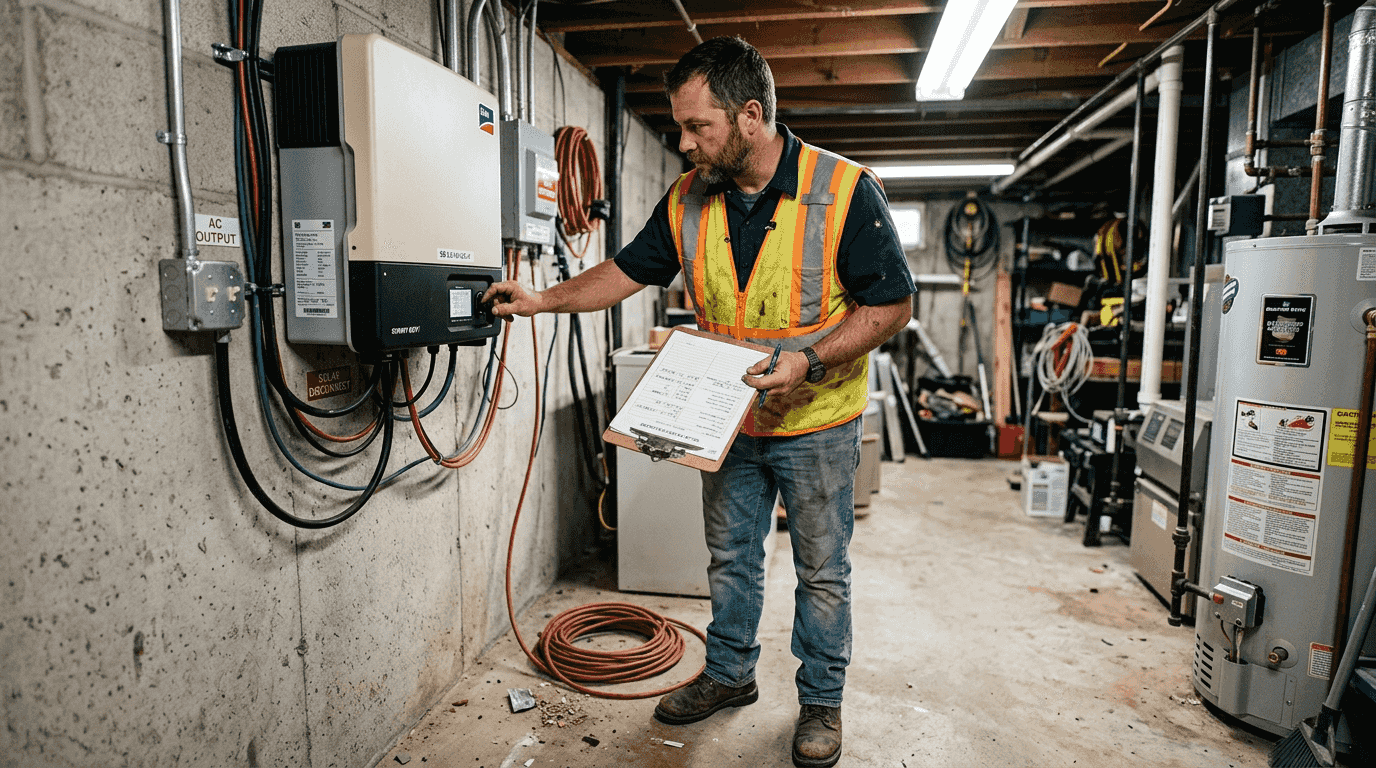
Many homeowners assume solar panels directly power their homes, but that’s only half the story. Inverters are the unsung heroes converting raw solar panel DC electricity into usable AC power compatible with household appliances and the electrical grid. This guide explains inverter types, roles in energy optimization, and how to choose the right inverter for your solar system to maximize efficiency and long-term savings.
Table of Contents
Key takeaways
Point | Details |
Inverters convert DC to AC power | Solar panels generate DC electricity that inverters transform into AC power compatible with home and grid use. |
Multiple inverter types serve different needs | String, micro, central, and hybrid inverters each suit different system sizes and shading conditions. |
Right inverter choice maximizes efficiency | Selecting the appropriate inverter type ensures optimal system performance and longevity. |
Grid synchronization ensures safety | European standards require inverters to precisely match voltage, frequency, and phase for safe grid integration. |
Hybrid inverters enable energy independence | Battery storage integration through hybrid inverters provides backup power and reduces electricity bills. |
How solar inverters convert and optimize energy
Solar panels produce DC electricity, but your home runs on AC power. Solar inverters convert DC electricity from solar panels into AC electricity for home use with efficiencies typically ranging from 95-98%. This seemingly simple conversion process involves sophisticated technology to ensure stable, reliable power delivery.
Efficiency ratings directly impact overall system output. A 97% efficient inverter means 3% of generated solar energy converts to heat rather than usable electricity. Over a system’s 25-year lifespan, efficiency differences between 95% and 98% models compound into thousands of dollars in lost production.
Inverters must precisely match voltage, frequency, and phase with the utility grid for successful synchronization. In Europe, this means maintaining 230V single-phase or 400V three-phase voltage at exactly 50Hz frequency. Modern inverters use advanced digital signal processors to continuously monitor and adjust output, ensuring seamless grid connection without power quality issues.
Grid synchronization involves several critical functions:
Voltage regulation maintains consistent output matching grid levels
Frequency control keeps AC cycles precisely at 50Hz
Phase angle matching ensures in-sync power flow
Anti-islanding protection disconnects inverter during grid outages for safety
Pro Tip: Understanding how solar inverters work helps you communicate effectively with installers and make informed decisions about system specifications.
Grid standards like EN 50549 guide safe inverter-grid interaction across European markets. These regulations protect both your solar investment and the broader electrical infrastructure from damage caused by improper synchronization or power quality issues.
Types of solar inverters and best applications
Central inverters handle large utility-scale systems exceeding 500kW, making them ideal for commercial solar farms but impractical for residential installations. These industrial units offer excellent economies of scale for massive projects but lack the flexibility homeowners need.
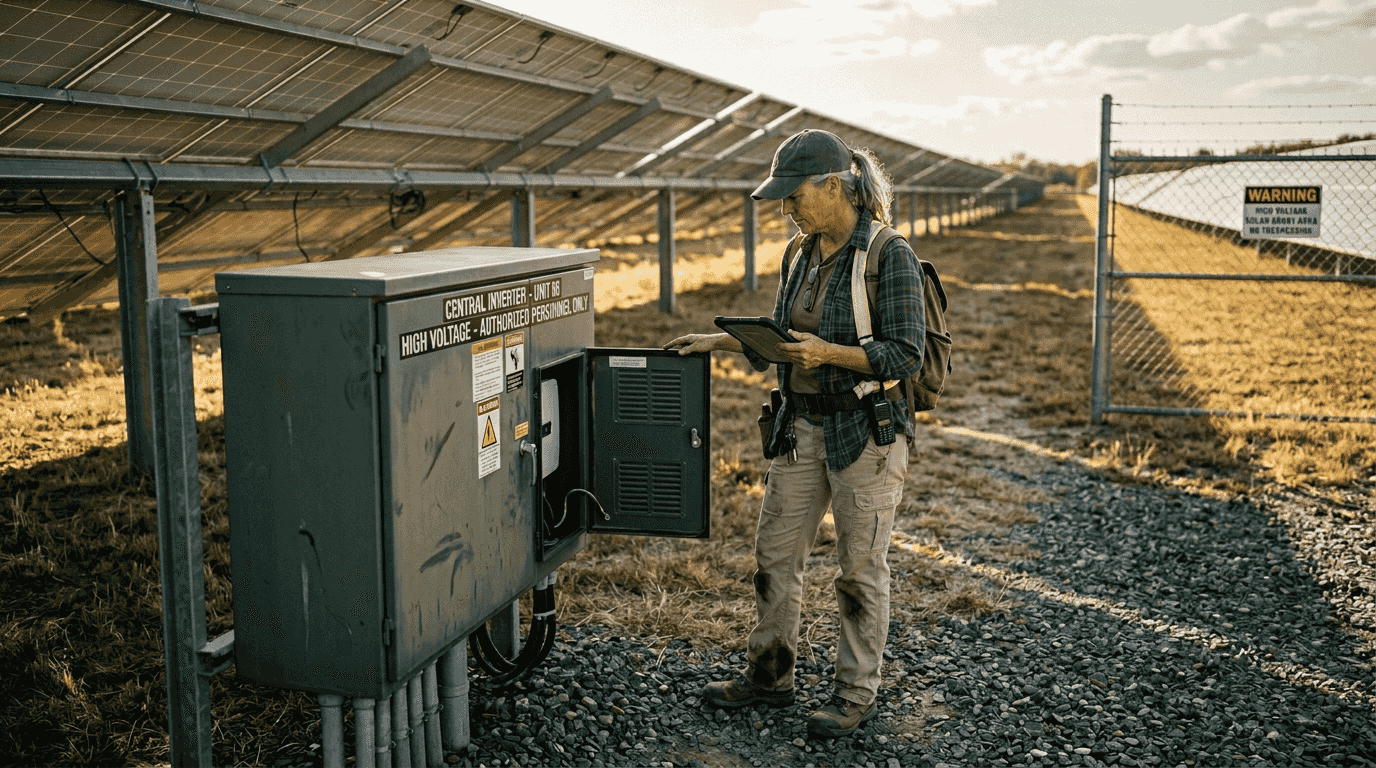
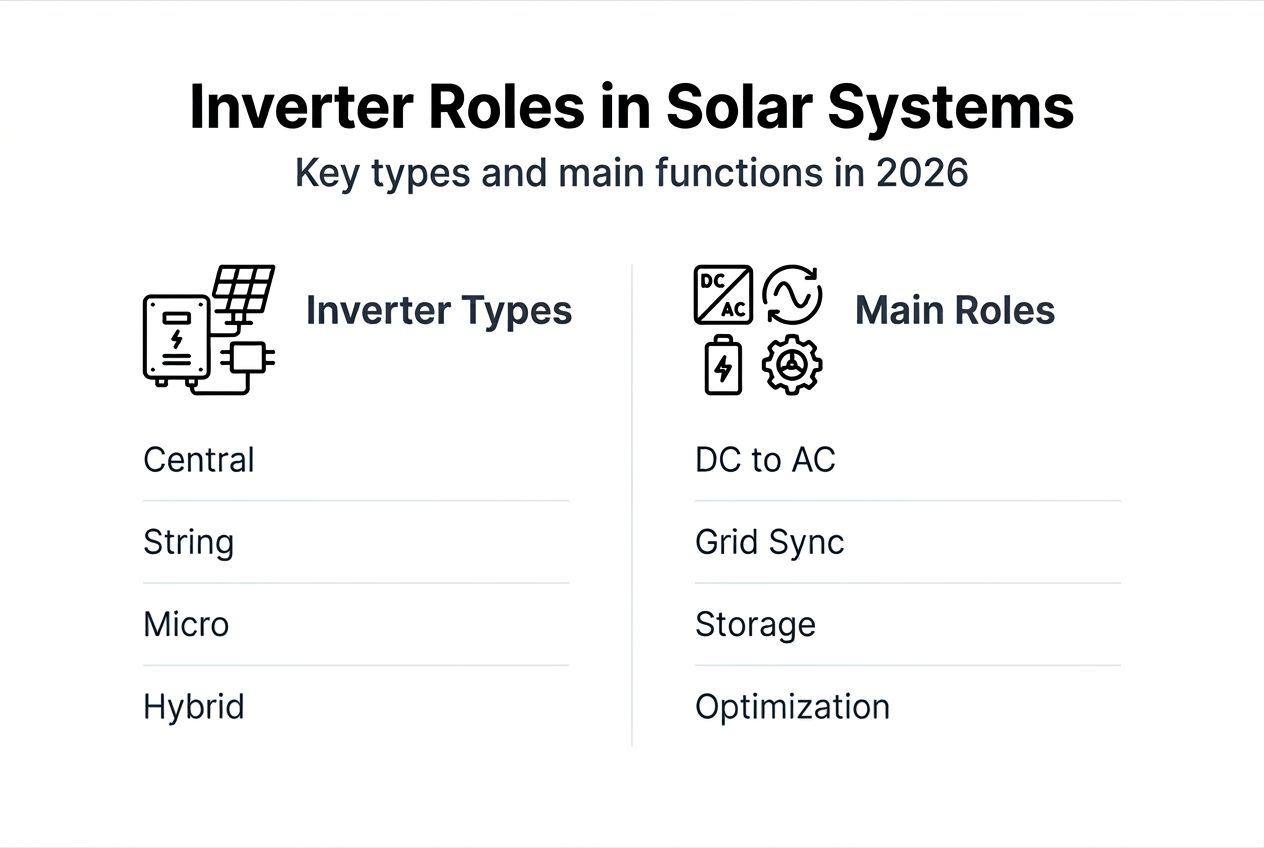
Four main inverter types exist: central, string, power optimizers with string inverters, and microinverters, each suited to different system sizes and shading conditions. String inverters dominate residential markets due to their cost-effectiveness and proven reliability.
String inverters are cost-effective and efficient (97-98%) for unshaded rooftops with lower upfront costs ranging from $0.15 to $0.24 per watt. A single string inverter connects multiple solar panels in series, converting combined DC output to AC power. This simple configuration works beautifully when panels receive consistent sunlight throughout the day.
Inverter Type | Best For | Efficiency | Typical Cost | Key Advantage |
String | Unshaded roofs | 97-98% | $0.15-$0.24/W | Lowest upfront cost |
Microinverter | Shaded/complex roofs | 95-97% | $0.30-$0.50/W | Panel-level optimization |
Power Optimizer | Moderate shading | 97-98% | $0.20-$0.35/W | Balanced cost/performance |
Hybrid | Storage integration | 96-98% | $0.25-$0.45/W | Battery compatibility |
Central | Utility-scale | 98-99% | Varies | Massive capacity |
Power optimizers improve panel-level output for moderately shaded or complex roofs. These DC-to-DC converters attach to each panel, optimizing voltage before sending power to a central string inverter. Power optimizers and microinverters can boost output by 5-25% in shaded environments, offsetting their higher upfront costs through increased production.
Microinverters provide panel-level conversion, ideal for heavily shaded or multi-orientation roofs. Each panel gets its own small inverter, eliminating the series-connection weakness where one shaded panel reduces entire string output. While microinverters cost more per watt initially, they often deliver better long-term reliability and simpler system expansion.
Hybrid inverters manage solar plus battery storage integration, supporting energy independence goals increasingly important to European homeowners. These versatile units handle both solar generation and battery charging/discharging, enabling advanced energy management strategies.
Choosing the right inverter depends on multiple factors:
Roof shading patterns throughout the day and seasons
Installation complexity including multiple roof planes or orientations
Budget constraints for both initial investment and long-term value
Future expansion plans for additional panels or storage
Monitoring and maintenance preferences
Pro Tip: Explore best solar inverters for homes 2026 to compare current top-rated models with real-world performance data from European installations.
How hybrid inverters enable energy storage and independence
Hybrid inverters integrate battery storage for energy independence, managing both solar generation and storage. This dual capability transforms solar systems from simple grid-tied generators into comprehensive energy management platforms.
Hybrid inverters allow simultaneous management of solar production and battery storage, enabling more self-consumption of generated electricity. Instead of exporting excess daytime solar production to the grid at low feed-in tariff rates, homeowners store that energy for evening use when electricity prices peak.
They provide energy backup during grid outages and enable load shifting to reduce electricity bills significantly. Modern hybrid systems intelligently charge batteries when solar production exceeds consumption, then discharge stored energy during high-cost periods or grid failures. This flexibility becomes increasingly valuable as European electricity markets adopt time-of-use pricing.
Hybrid inverters support flexible energy management for cost savings and backup power. Smart algorithms optimize when to use solar directly, when to charge batteries, when to draw from storage, and when to interact with the grid based on real-time electricity prices and consumption patterns.
Battery integration requires inverter compatibility and proper configuration. Not all hybrid inverters work with every battery chemistry or brand. Lithium iron phosphate (LFP) batteries dominate residential markets, but emerging technologies like graphene supercapacitors offer different performance characteristics requiring specialized inverter support.
Hybrid systems comply with European grid codes to ensure safe operation during both normal conditions and emergencies. Anti-islanding protection prevents backfeeding the grid during outages, protecting utility workers. Voltage and frequency ride-through capabilities help stabilize grid fluctuations rather than disconnecting at the first minor deviation.
Key considerations for hybrid inverter selection:
Battery chemistry compatibility (LFP, NMC, graphene)
Maximum storage capacity supported
Backup power capabilities and switching speed
Smart home integration options
Future expandability for additional storage
Pro Tip: Selecting a hybrid inverter helps future-proof your solar investment for expanding storage capacity or adding electric vehicle charging capabilities as your energy needs evolve.
Learn more about solar plus storage integration to understand how batteries and inverters work together for maximum home energy optimization.
European grid requirements and inverter compliance
European grid standards EN 50549 and VDE-AR-N 4105 set strict requirements for inverter grid synchronization and response to fluctuations. These regulations exist to protect both individual installations and the broader electrical infrastructure from damage or instability.
Inverters must comply with voltage (230V single-phase or 400V three-phase), frequency (50Hz), and phase angle standards (±1°) for grid connection. Deviation beyond these tight tolerances risks equipment damage, power quality issues, or cascade failures affecting neighboring properties.
EN 50549 covers requirements for power generating systems up to 1000V AC, establishing baseline performance expectations for residential and small commercial solar installations. This harmonized European standard replaced numerous conflicting national regulations, simplifying compliance for manufacturers and installers.
VDE-AR-N 4105 requires inverters to maintain power quality and respond quickly to grid events to prevent outages or damage. German technical requirements often exceed minimum EN standards, pushing inverter manufacturers to build more sophisticated grid support features.
Non-compliant inverters risk disconnection by utility operators or financial penalties for causing power quality issues. Some jurisdictions void feed-in tariff contracts if installations fail periodic compliance testing. Beyond financial consequences, non-compliant systems compromise electrical safety.
Steps for ensuring inverter compliance:
Verify inverter certification for your specific country and utility
Confirm installer qualifications and knowledge of local standards
Review system design documentation for grid code compliance
Conduct pre-commissioning testing of all grid interaction parameters
Maintain compliance documentation for utility inspections
Schedule periodic verification testing as required by local regulations
Pro Tip: Work with installers knowledgeable in local standards to ensure smooth grid integration and avoid costly rework or compliance failures that delay system commissioning.
Compliance requirements vary slightly across European countries despite harmonization efforts. Understanding solar inverter benefits central Europe helps navigate regional differences in grid codes, feed-in tariffs, and technical requirements.
Explore solar solutions tailored to your home
Understanding inverter technology empowers better decisions, but implementation requires expert guidance.
Belinus offers tailored solar solutions integrating the latest inverter technologies with battery storage and intelligent energy management systems. Our Solis inverters (5-25 kW residential options) seamlessly integrate with the Belinus Energy Management System for 15-minute dynamic tariff optimization, maximizing your solar investment returns. We help select the right inverter type based on your roof configuration, shading patterns, and energy independence goals. Whether you need a simple string inverter for an unshaded roof or a sophisticated hybrid system with graphene supercapacitor storage, our experts design solutions matching your specific needs. Explore how integrating solar with storage through Belinus transforms your home into an intelligent energy hub delivering maximum efficiency and savings.
Frequently asked questions
What is the main function of a solar inverter?
Solar inverters convert DC electricity from panels into AC power usable in homes and compatible with the electrical grid. They also synchronize output with grid voltage and frequency, ensuring safe, stable power delivery. Understanding how solar inverters work helps homeowners appreciate this critical system component.
How do hybrid inverters benefit homeowners?
Hybrid inverters manage solar generation and battery storage simultaneously, enabling greater energy independence and self-consumption. They provide backup power during grid outages and reduce electricity bills through intelligent load shifting. Learn about integrating solar with storage for comprehensive hybrid system benefits.
Which inverter type is best for shaded or complex roofs?
Microinverters or power optimizers excel on shaded or multiple-orientation roofs by optimizing each panel’s output independently. This panel-level optimization can boost system production by 5-25% compared to string inverters in challenging conditions. Compare options in our guide to best solar inverters for shaded roofs.
What European standards must solar inverters meet?
Solar inverters must comply with EN 50549 and VDE-AR-N 4105, which establish requirements for grid synchronization, voltage regulation, and response to grid events. These standards ensure safe integration and protect power quality. Regional variations exist, so understanding solar inverter benefits central Europe helps navigate local compliance requirements.
Recommended