Utility-Scale Solar Explained: Lowering Grid Costs
- Jan 24
- 12 min read
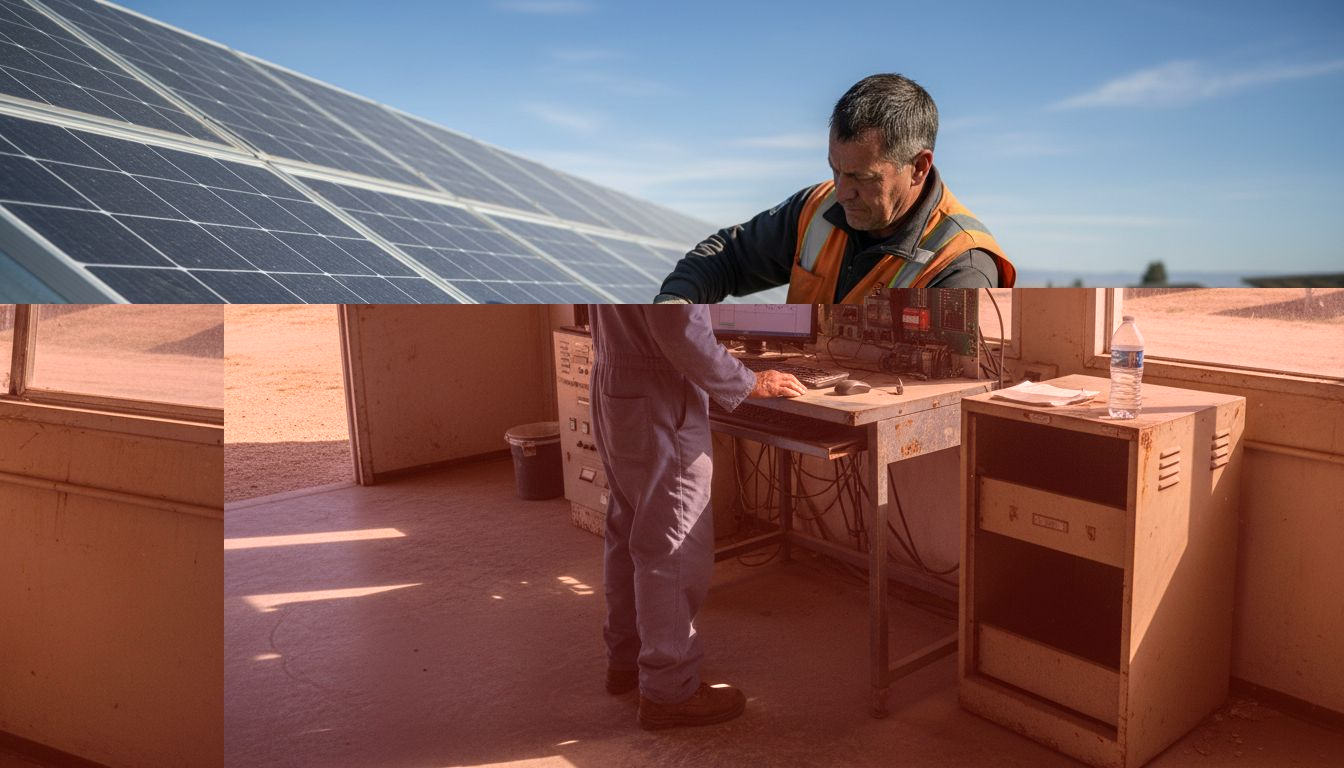
Managing energy costs while meeting sustainability goals is a daily challenge for utility companies in Central Europe. Utility-scale solar projects offer a proven solution by delivering large quantities of clean energy and direct grid integration through advanced, centralized systems. These installations benefit from economies of scale, innovative technologies, and the option to pair with battery storage for greater grid flexibility. Understanding what defines utility-scale solar will help energy managers and procurement teams make strategic decisions that support both financial and environmental objectives.
Table of Contents
Key Takeaways
Point | Details |
Utility-Scale Solar Definition | Utility-scale solar projects are large photovoltaic systems starting at a minimum capacity of 1 MW, directly feeding electricity into the grid. They involve advanced technologies and require complex infrastructure for optimal performance. |
Financial Viability | Utility-scale solar projects benefit from economies of scale, offering lower costs per megawatt compared to smaller systems. They often deliver competitive levelized cost of electricity (LCOE) for sustainable energy deployment. |
Hybrid Systems Trend | Integrating battery storage with solar arrays into hybrid systems addresses power generation variability, enhancing reliability and operational efficiency. This approach is increasingly favored for maximizing grid services and optimizing energy output. |
Regulatory Navigation | Legal compliance in Central Europe is crucial for project success, as permitting timelines and environmental regulations can significantly impact project delivery and cost. Early engagement with legal experts can expedite processes and mitigate risks. |
What Defines Utility-Scale Solar Projects
Utility-scale solar projects represent a fundamentally different approach to solar energy compared to residential or small commercial installations. These are large photovoltaic systems designed to feed electricity directly into the electrical grid, typically starting at a minimum capacity of around 1 MW and often extending into the hundreds of megawatts. What separates utility-scale from other solar installations isn’t just size, however. It’s the infrastructure, interconnection standards, and operational complexity that characterize these projects.
The defining characteristics of utility-scale solar include centralized ground-mounted solar panel arrays, central inverter systems, and direct integration with transmission or distribution networks. These projects employ advanced technologies including high-efficiency panels and smart grid integration to maximize performance across large installations. In Central Europe specifically, utility-scale projects benefit from standardized grid connection protocols and regulatory frameworks that ensure consistent power delivery. A key trend gaining momentum is hybridization, where battery storage components are integrated alongside solar arrays. This hybrid approach addresses a critical challenge in utility-scale operations: providing consistent, dispatchable power even when solar generation fluctuates with weather conditions.
From a financial perspective, utility-scale projects leverage significant economies of scale that make them cost-competitive with traditional power generation methods. Energy managers evaluating utility-scale solutions typically consider three operational advantages. First, centralized monitoring and control reduce per-megawatt management costs. Second, standardized equipment and bulk purchasing lower capital expenses. Third, utility-scale solar plants provide large quantities of clean energy while supporting grid stability and regional energy security. For procurement professionals in Central Europe, this means utility-scale projects often deliver superior levelized cost of electricity (LCOE) compared to smaller distributed systems, making them attractive for long-term grid optimization strategies.
Pro tip: When evaluating utility-scale solar projects for your utility, compare hybrid configurations with battery storage against traditional solar-only installations—integrated energy management systems can increase grid utilization by 30-40% during peak demand periods.
Types and Components of Utility-Scale Systems
Utility-scale solar systems are built from interconnected components working together to convert sunlight into grid-ready electricity. Understanding each piece helps you evaluate system design decisions and operational performance. The core architecture remains relatively consistent across projects, though specific component choices vary based on site conditions, grid requirements, and project goals.
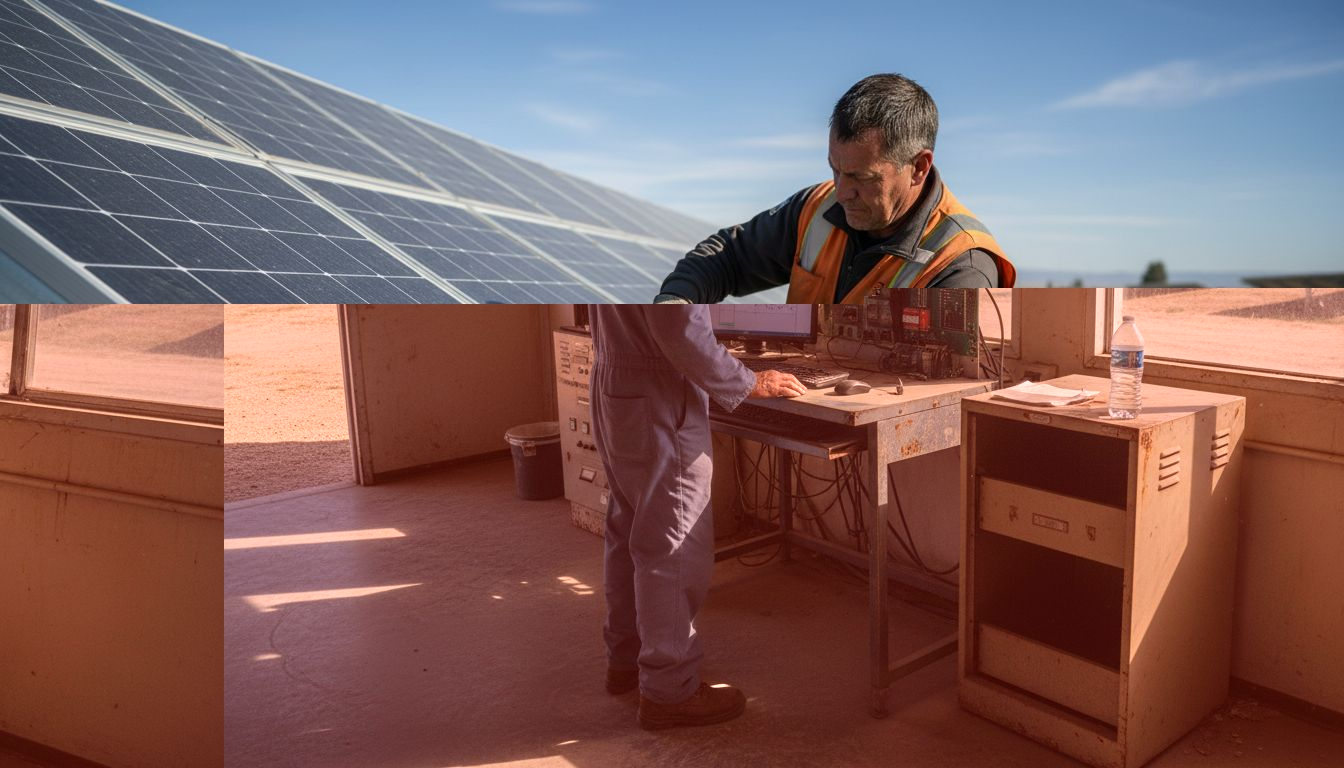
The fundamental building blocks include photovoltaic modules that capture sunlight, mounting structures designed for optimal land utilization and durability, inverter systems that convert DC electricity to AC current, and grid connection infrastructure including transformers and switchgear. Central to modern utility-scale operations are battery energy storage systems providing grid services such as frequency regulation and capacity firming. Lithium-ion batteries have become the dominant storage technology due to their maturity and falling costs, though your project might incorporate alternative technologies depending on regional energy needs and storage duration requirements. The integration of storage with solar arrays creates what’s known as a hybrid system, which addresses one of solar’s fundamental challenges: managing variability in generation output throughout the day.
Here’s a summary of key system components and their roles in utility-scale solar projects:
Component | Main Function | Impact on Project Performance |
Photovoltaic Modules | Convert sunlight to electricity | Drive energy yield and efficiency |
Mounting Structures | Support panels and face the sun | Enhance land use and durability |
Inverter Systems | Convert DC to AC power | Enable grid compatibility |
Grid Infrastructure | Connect project to the network | Ensure stable grid integration |
Battery Storage | Store excess solar generation | Smooth output, support grid services |
System Architecture Considerations
When designing utility-scale installations, three key architectural approaches exist. Centralized inverter systems concentrate conversion equipment in one location, simplifying maintenance but potentially creating bottlenecks during peak generation. String inverter configurations distribute conversion across multiple smaller units, improving resilience and partial-generation flexibility when sections underperform. Hybrid systems combining solar generation with battery storage and energy management solutions represent the emerging standard, allowing operators to capture excess generation, shift output to peak-demand periods, and provide ancillary grid services. For Central European utilities, hybrid configurations increasingly deliver superior economic returns by maximizing utilization of interconnection capacity and qualifying for grid service compensation.
The table below compares the three main system architectures for utility-scale solar:
Architecture Type | Key Advantage | Typical Limitation |
Centralized Inverter | Simplifies system maintenance | Can create grid bottlenecks |
String Inverter | Increases resilience and uptime | Involves more complex wiring |
Hybrid System | Shifts output, adds services | Higher initial project cost |
The choice between system types depends on your specific operational context. Site geography, local grid conditions, and regional electricity prices all influence which components and configurations make financial sense. A facility in a region with high daytime generation surpluses might prioritize storage capacity, while another facility might emphasize conversion efficiency and grid stability features.
Pro tip: When procuring utility-scale equipment, specify hybrid-ready infrastructure even if initial deployment excludes storage—designing mounting structures and electrical systems to accommodate future battery integration can reduce expansion costs by 25-35% compared to retrofitting a solar-only installation.
Project Lifecycle: Development to Grid Integration
Utility-scale solar projects don’t simply materialize overnight. They follow a structured progression from initial concept through operational deployment, with each phase containing distinct technical, financial, and regulatory requirements. Understanding this lifecycle helps energy managers anticipate timelines, budget requirements, and coordination needs with grid operators. The entire process typically spans 2-4 years from site selection to full grid integration.
Early Development and Site Assessment
The project journey begins with site selection and feasibility analysis. Your team evaluates solar irradiance data to forecast generation potential, assesses land suitability and environmental constraints, and confirms adequate grid interconnection capacity exists. This phase includes resource assessments using satellite data, on-site measurements, and economic evaluations to determine project viability. Simultaneously, you’ll engage with local authorities to understand permitting requirements, environmental regulations, and community considerations. The feasibility study informs financial modeling and helps secure preliminary investor confidence before committing significant capital.
EPC and Construction Through Commissioning
Once financing is secured, the project moves into the Engineering, Procurement, and Construction (EPC) phase where detailed system design occurs, equipment procurement begins, and physical construction takes shape. During construction, your team manages multiple parallel activities including foundation installation, equipment delivery coordination, electrical system assembly, and safety compliance. Following construction, commissioning validates that all components function according to specifications through systematic testing and performance verification. This is where component quality directly impacts operational outcomes and long-term revenue generation.
Grid Connection and Integration Coordination
Parallel to construction activities, critical work unfolds with grid operators. Grid impact assessments determine infrastructure upgrades needed and validate your installation won’t destabilize the network. Transmission System Operators (TSOs) and Distribution System Operators (DSOs) review connection requests, conduct studies, and specify technical requirements. Your equipment must comply with local grid codes, requiring advanced inverter functionality like fault ride-through capability and voltage regulation. In Central Europe, streamlined permitting procedures have accelerated this coordination, but planning for 6-12 months of grid integration work remains essential. Early coordination with operators prevents costly delays during the final project phases.
Pro tip: Initiate formal grid connection applications at the permitting stage, not after construction completion. Early engagement with TSOs and DSOs can accelerate approvals by 4-6 months and reveal infrastructure upgrade requirements that might influence your equipment specifications and installation schedule.
Legal Requirements and Compliance in Central Europe
Navigating legal frameworks represents one of the most time-intensive aspects of utility-scale solar development in Central Europe. Your project must satisfy overlapping requirements spanning environmental protection, grid connection standards, renewable energy support schemes, and local permitting procedures. The complexity varies significantly by country and region, but understanding the baseline requirements helps your team budget adequate timeline and resources for compliance activities. What works in one Central European nation may require different documentation or approval processes in another, making early legal consultation essential.
The EU Renewable Energy Directive establishes the overarching legal architecture, mandating minimum national renewable energy targets and simplifying permitting procedures under specific conditions. Environmental regulations compliance includes impact assessments, habitat protection reviews, and often public consultation requirements before construction begins. Grid connection rules mandate that your facility meets Technical Connection Standards, requiring compliance documentation from your equipment supplier and your own operational procedures. Renewable energy support schemes vary by country. Some offer feed-in tariffs guaranteeing payment rates, others use auction mechanisms where you bid for contracts, and some combine multiple incentive structures. Understanding which mechanisms apply to your project determines your financial modeling assumptions and bid strategy.
Permitting and Cross-Jurisdictional Challenges
Permitting timelines in Central Europe remain the greatest source of project delays, sometimes stretching 18 to 36 months depending on location and local conditions. You’ll navigate environmental approvals, local zoning compliance, grid connection permits, and occasionally heritage or archaeological clearances. Recent EU reforms aim to expedite this process and harmonize rules across member states, but implementation varies. Some jurisdictions have established fast-track procedures for renewable projects meeting certain criteria. Your procurement team should identify which approvals apply early in planning, allocate realistic timelines, and assign dedicated resources to managing submissions and stakeholder coordination. Building relationships with permitting authorities and understanding their specific documentation requirements prevents costly delays.
New directives advancing across the EU require solar installation on new and renovated commercial and public buildings, which indirectly affects utility-scale market dynamics by increasing overall solar deployment targets. These regulations support your projects by establishing stronger decarbonization commitments and potentially improving grid readiness standards.
Pro tip: Engage a legal specialist familiar with your specific Central European jurisdiction during the feasibility phase, not after site acquisition. Early legal review identifies potential compliance obstacles, clarifies which support scheme applies, and can reduce permitting timelines by 6-12 months through proactive documentation and stakeholder alignment.
Financial Considerations and Risk Management
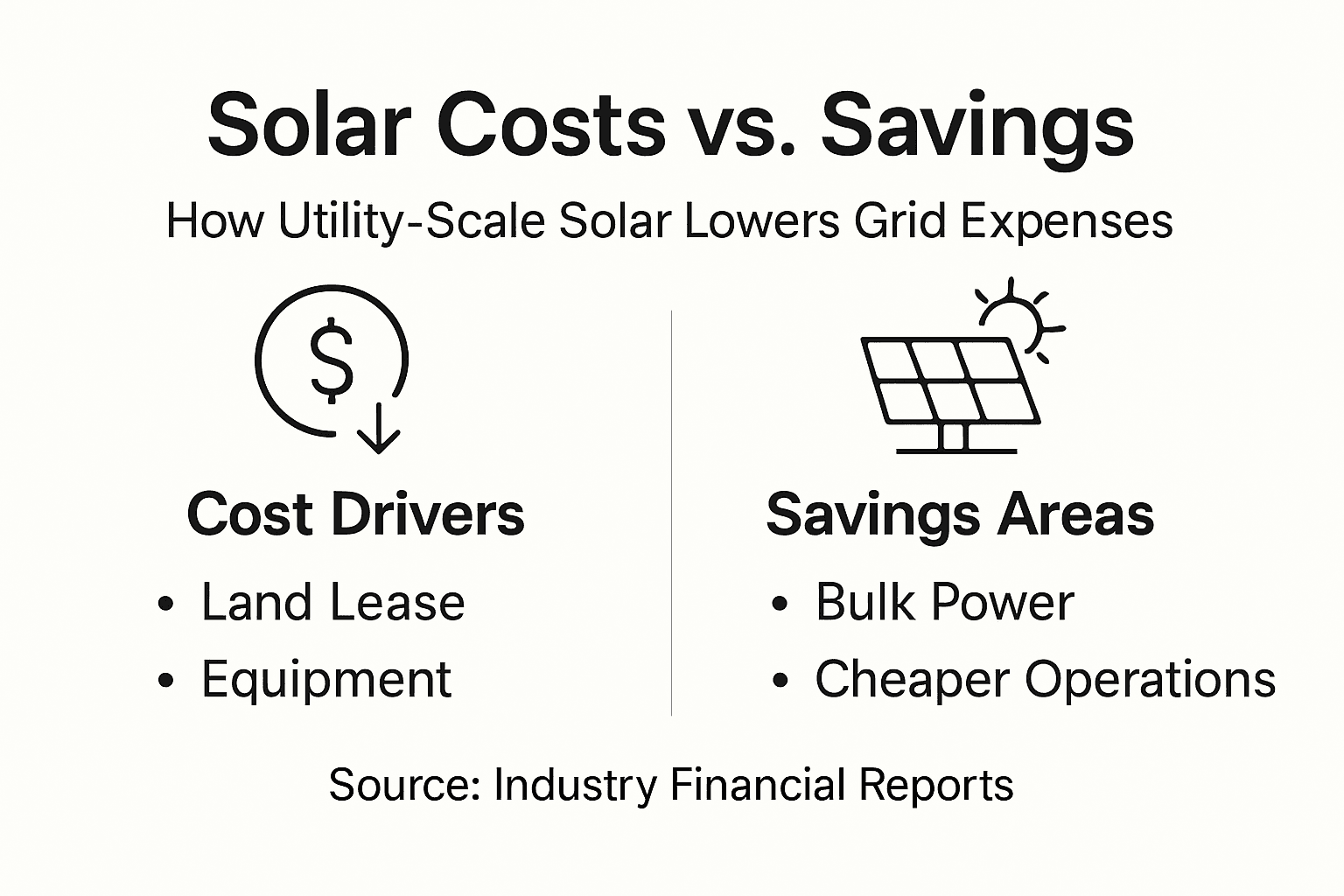
Utility-scale solar projects demand sophisticated financial analysis because the numbers determine project viability, investor confidence, and your long-term operational strategy. Capital expenditures (CAPEX) typically range from 800,000 to 1.2 million euros per megawatt in Central Europe depending on site conditions, equipment choices, and local labor costs. Operational expenditures (OPEX) run approximately 1.5 to 2 percent of CAPEX annually, covering maintenance, insurance, personnel, and grid connection fees. Understanding these cost structures helps you forecast returns accurately and identify where strategic decisions impact profitability most significantly.
Revenue projections depend on three interconnected factors: actual energy generation (influenced by solar irradiance, equipment efficiency, and weather patterns), electricity prices (which vary by market, time of day, and support scheme), and contract structures (whether you have fixed-price power purchase agreements or operate in spot markets). This is where comprehensive energy yield assessment and sensitivity analysis become critical. Banks and institutional investors won’t fund projects lacking rigorous financial modeling that accounts for variable conditions. Your financial model should stress-test scenarios including lower-than-expected generation (accounting for equipment degradation and weather variability), price fluctuations in electricity markets, and potential delays in grid integration or revenue realization.
Risk Mitigation and Bankability
Risks in utility-scale solar span technical, market, regulatory, and environmental categories. Technical risks include equipment failure, performance degradation, or manufacturing defects, mitigated through equipment warranties, performance guarantees, and thorough commissioning testing. Market risks involve electricity price changes and demand fluctuations, addressed through power purchase agreements (PPAs) that lock in revenue rates for 15 to 25 years. Regulatory risks emerge from permitting delays or policy changes, managed by early legal engagement and compliance planning. Environmental risks include extreme weather events or land use restrictions, handled via comprehensive insurance coverage.
Successful financing requires demonstrating that your project withstands realistic stress scenarios. Insurance arrangements provide critical protection, covering equipment damage, business interruption, and liability exposure. Performance guarantees from equipment manufacturers enhance investor confidence by contractually committing to specific efficiency levels. Contractual protections in procurement agreements protect you from supplier defaults or quality issues. When investors see layered risk mitigation strategies throughout your financial model, project bankability improves dramatically, often reducing borrowing costs by 50 to 100 basis points.
Pro tip: Build your financial model with conservative energy yield assumptions (typically 85 to 90 percent of theoretical maximum) and include a separate line item for potential interconnection delays or grid upgrade costs, as these often represent the largest unexpected expenses in Central European utility-scale projects.
Advantages, Challenges, and Market Trends
Utility-scale solar offers compelling advantages that explain why Central European utilities increasingly view it as critical infrastructure. The most obvious benefit is massive carbon emission reduction. A single 100 MW facility can eliminate 150,000 to 200,000 tons of CO2 annually compared to fossil fuel generation, directly supporting European decarbonization commitments. Beyond environmental impact, economies of scale drive operational efficiency. Per megawatt management costs drop significantly compared to distributed residential systems, and equipment procurement at utility volumes reduces unit costs by 15 to 25 percent. These cost reductions cascade through project economics, improving returns for investors and justifying the complexity of large-scale development. The market is responding. Rapid growth driven by cost reductions and policy support reflects corporate and utility commitments to renewable procurement, with European solar capacity expected to expand dramatically through 2027.
Challenges Constraining Deployment
Yet significant obstacles persist. Grid integration bottlenecks emerge as solar capacity expands. Transmission and distribution networks designed for centralized generation struggle with high-volume distributed input. Some Central European regions face multi-year queues for grid connection approvals because infrastructure upgrades require substantial capital investment and coordination across multiple operators. Permitting delays compound this challenge. As discussed earlier, navigating environmental reviews, local approvals, and heritage considerations can stretch 18 to 36 months, delaying revenue generation and straining project economics. Land availability represents a third constraint. Competing demands from agriculture, conservation, and development limit suitable sites, particularly in densely populated regions. Some jurisdictions have implemented solar policies prioritizing degraded or contaminated land to address this tension, but suitable inventory remains limited in many areas. Intermittency and variability present operational challenges. Unlike fossil plants providing consistent output, solar generation fluctuates with weather and daylight hours, requiring grid operators to maintain backup capacity or storage solutions.
Emerging Market Trends
The market is responding to these challenges through innovation. Hybridization with battery storage has become standard in new utility-scale projects. Storage provides flexible capacity firming, allows output shifting to peak-demand periods, and enables participation in ancillary services markets, dramatically improving project economics. Digitalization and energy management systems optimize real-time performance, allowing integration of hybrid energy systems maximizing renewable deployment and enabling better grid coordination. Evolving market mechanisms are emerging, including longer-term renewable procurement contracts, merchant revenue optimization strategies, and energy trading platforms that reward flexible solar output. Energy justice policies gaining momentum ensure that benefits distribute equitably and that development respects community interests, creating more sustainable long-term project acceptance.
Pro tip: When evaluating project opportunities, prioritize sites with existing grid interconnection capacity or demonstrated proximity to major substations, as grid connection challenges represent the largest source of timeline delays and unexpected costs in Central European utility-scale solar development.
Unlock the Full Potential of Utility-Scale Solar with Belinus Solutions
Utility-scale solar projects face challenges like grid integration bottlenecks, variable generation, and complex interconnection requirements. The article highlights the critical need for hybrid systems with energy storage and intelligent management to maximize grid stability and revenue. If you are aiming to lower your grid connection costs and improve dispatchability while navigating the demanding Central European regulatory landscape, Belinus offers a comprehensive suite designed to meet these exact pain points.
Our scalable Utility Storage modules combined with Belinus-branded power conversion systems provide a robust foundation for hybrid solar plus storage installations. Paired with our centralized Energy Management System featuring real-time grid service optimization and dynamic tariff management, your utility-scale solar project can achieve higher utilization, enhanced reliability, and better financial returns. Explore how our integrated solutions address the core components discussed in the article—from advanced inverter architectures to flexible battery storage integration—ensuring your project stays ahead of evolving market conditions.

Take control of your solar project’s future by partnering with the industry leader in hybrid energy systems. Visit Belinus today to learn how our custom system designs and grid-integrated services empower you to overcome utility-scale solar challenges. Do not wait until grid constraints increase costs and delay timelines. Contact us now to accelerate your transition to smarter, cleaner energy.
Discover our Utility Storage Solutions and learn about our Energy Management System for seamless integration.
Frequently Asked Questions
What are utility-scale solar projects?
Utility-scale solar projects are large photovoltaic systems designed to produce electricity for the electrical grid, typically starting at around 1 MW in capacity and often reaching hundreds of megawatts.
How do utility-scale solar systems differ from residential installations?
Utility-scale solar systems are larger, utilize centralized ground-mounted solar arrays, and integrate directly with the electrical grid, whereas residential installations are smaller and typically designed to power individual homes.
What are the key components of a utility-scale solar project?
Key components include photovoltaic modules to capture sunlight, mounting structures for durability, inverter systems to convert electricity, grid infrastructure for network connection, and battery storage systems for managing energy output.
Why are hybrid systems becoming popular in utility-scale solar projects?
Hybrid systems, which combine solar generation with battery storage, address solar generation variability and enable more consistent power delivery, allowing for better integration with the grid and enhanced operational efficiency.
Recommended
Comments