Why Install Solar PV: Unlocking Energy Savings Today
- Dec 22, 2025
- 9 min read
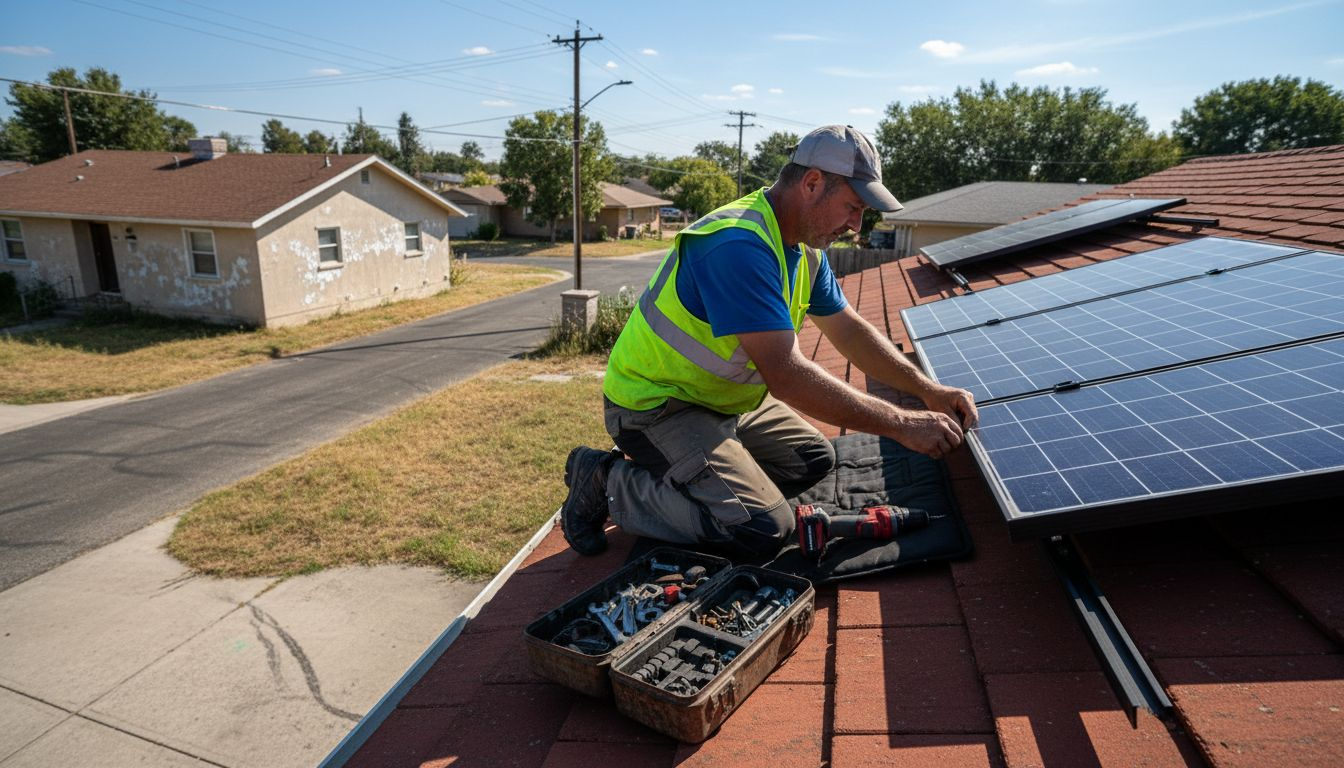
More than two million American homes and businesses now power their lives with solar energy, yet few truly understand how sunlight transforms into electricity right on their rooftops. Solar PV technology matters because it offers a pathway to cleaner power and lower utility bills, but its inner workings remain a mystery for many. This guide unpacks the science behind photovoltaic systems and highlights the breakthroughs making solar a mainstay of the American energy landscape.
Table of Contents
Key Takeaways
Point | Details |
Understanding Solar PV | Photovoltaic technology converts sunlight to electricity through the photovoltaic effect, utilizing semiconductor materials to generate electric current. |
Types of Installations | Solar PV systems include grid-tied, off-grid, and hybrid configurations, tailored to meet various energy needs of homes and industries. |
Energy Management Integration | Combining solar PV with battery storage and EV charging optimizes energy use, promotes independence, and enhances sustainability. |
Financial Considerations | Insufficient planning and miscalculations can lead to financial pitfalls, highlighting the importance of detailed assessments and understanding incentives. |
Solar PV Explained: How It Generates Power
Photovoltaic (PV) solar technology represents a groundbreaking method of transforming sunlight directly into electrical energy. At its core, solar panels operate through an intricate process that harnesses the power of photons to generate electricity. Solar energy works by capturing sunlight using specialized photovoltaic cells, which are sophisticated semiconductor devices designed to convert radiant light into usable electrical current.
The fundamental mechanism behind solar PV centers on the photovoltaic effect, a remarkable physical phenomenon where specific materials generate an electric current when exposed to light. When sunlight strikes a solar cell, photons interact with semiconductor materials like silicon, exciting electrons and creating an electric potential. Photovoltaic cells convert sunlight directly into electricity by exploiting this precise photovoltaic effect, generating a flow of electrons that can be captured and transformed into power for homes, businesses, and industrial applications.
Modern solar panels are comprised of multiple interconnected photovoltaic cells, typically arranged in grid-like patterns to maximize light absorption. These cells are constructed using multiple layers of semiconductor materials, each serving a specific purpose in electricity generation. The top layer is designed to capture incoming sunlight, while underlying layers facilitate electron movement and electric current collection. When sunlight strikes these cells, the semiconductor material generates an electric field, causing electrons to flow and creating direct current (DC) electricity that can be converted into alternating current (AC) through an inverter for practical use.
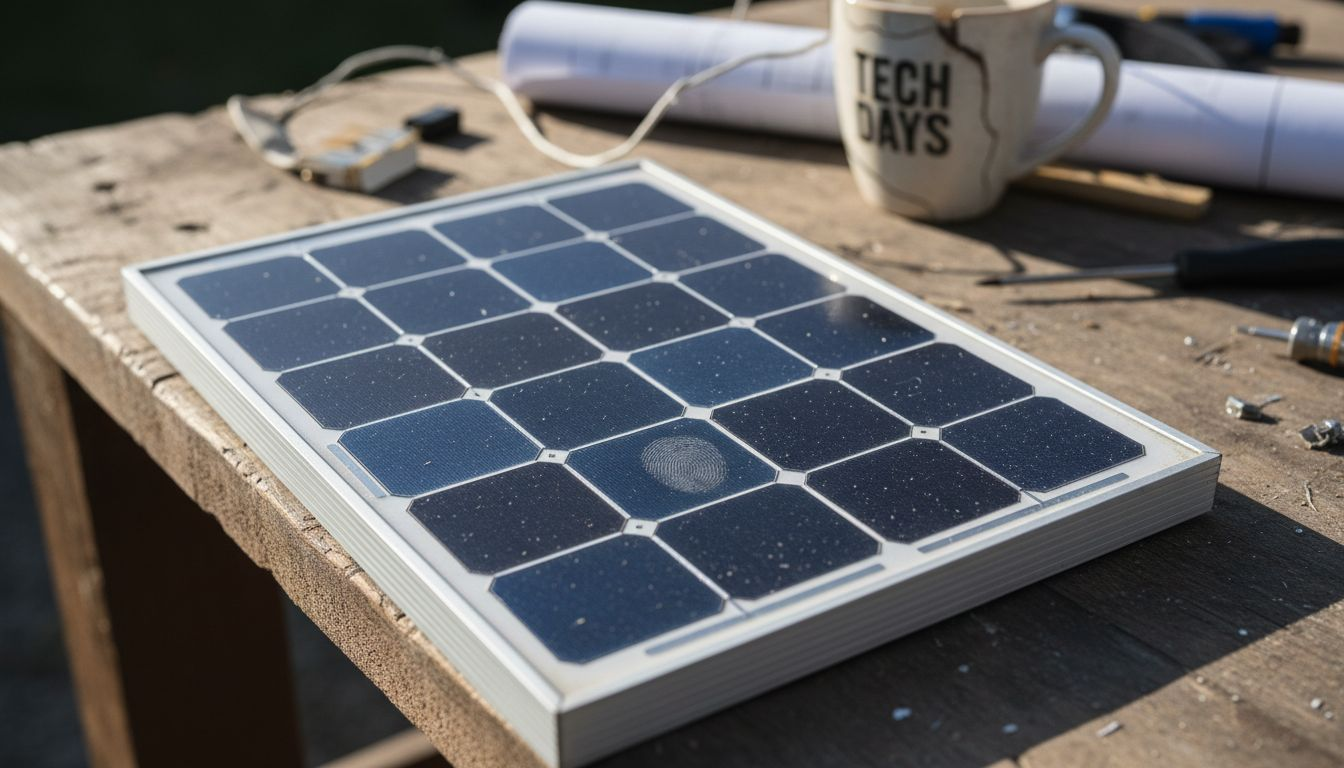
Pro Tip: Solar Panel Performance Check: Regularly clean your solar panels and ensure they are free from dust, debris, and shade to maintain optimal energy generation efficiency and maximize your system’s electrical output.
Solar PV technology continues to evolve, with ongoing research focusing on improving conversion efficiency, reducing manufacturing costs, and developing more advanced semiconductor materials that can capture a broader spectrum of sunlight.
Types of Solar PV Systems for Homes and Industry
Solar photovoltaic (PV) systems have evolved to accommodate diverse energy needs across residential and industrial applications. Solar panels can be strategically installed on ground, rooftops, and even floating platforms, offering unprecedented flexibility for energy generation. These systems are typically categorized into three primary configurations: grid-tied, off-grid, and hybrid solar installations, each designed to meet specific energy requirements and infrastructure constraints.
Residential solar PV systems predominantly utilize grid-connected configurations, where solar panels are mounted on rooftops or ground-mounted arrays. These systems directly feed electricity into the home’s electrical network and can potentially export excess power back to the electrical grid. Industrial solar installations, by contrast, often deploy larger-scale ground-mounted or flat-roof systems with significantly higher power generation capacities. Recent European energy data indicates photovoltaics now account for 11% of the EU’s gross electricity output, demonstrating the rapidly expanding role of solar technology across commercial and utility-scale applications.
Commercial and industrial solar PV systems can be further categorized into several specialized configurations. Utility-scale solar farms might cover hundreds of acres, using advanced tracking systems to maximize sunlight capture. Rooftop commercial installations often integrate custom designs to maximize available space, while agricultural solar setups might implement dual-use strategies like combining solar panels with crop cultivation. Some industrial applications also explore innovative mounting solutions such as solar canopies for parking areas or integrated building-integrated photovoltaic (BIPV) systems that transform building surfaces into power-generating infrastructure.
Pro Tip: System Design Consultation: Always consult with a professional solar designer who can conduct a comprehensive site assessment to determine the most appropriate solar PV configuration for your specific energy needs and architectural constraints.
The ongoing technological advancements in solar PV continue to expand the potential applications, making solar energy an increasingly versatile and accessible power generation solution for diverse environments.
Here’s a concise comparison of the main types of solar PV systems:
System Type | Description | Typical Application |
Grid-Tied | Connects directly to public grid | Homes, businesses with grid |
Off-Grid | Operates independently, uses battery storage | Remote locations, cabins |
Hybrid | Combines grid, solar, and batteries | Homes with frequent outages |
Integration With Batteries, EV Charging, and EMS
The future of energy management lies in sophisticated, integrated systems that combine solar photovoltaic technology with advanced battery storage and electric vehicle (EV) charging infrastructure. Renewable energy sources can now hybridize with multiple energy technologies to improve overall system efficiency, creating a more resilient and adaptable energy ecosystem. This comprehensive approach allows homeowners and businesses to maximize their energy independence, reduce carbon footprints, and optimize electricity consumption across different applications.
Modern Energy Management Systems (EMS) play a critical role in coordinating these integrated technologies. These intelligent platforms enable real-time monitoring and dynamic control of solar generation, battery storage, EV charging, and grid interactions. Advanced simulations demonstrate how combining renewable energy sources with storage technologies can significantly enhance energy efficiency, allowing for sophisticated load balancing and smart energy distribution. The EMS acts as a central nervous system, intelligently routing electricity between solar panels, home appliances, electric vehicle chargers, and battery storage units to minimize waste and maximize economic benefits.
The synergy between solar PV, batteries, and EV charging represents a transformative approach to energy consumption. Battery storage systems capture excess solar energy generated during peak sunlight hours, storing it for use during evening hours or periods of low solar production. Electric vehicle charging can be strategically managed to leverage stored solar energy, enabling vehicle owners to charge their cars with clean, self-generated electricity. This integrated approach not only reduces reliance on grid electricity but also provides significant financial savings and contributes to a more sustainable energy infrastructure.
Pro Tip: System Optimization Strategy: Regularly review and update your Energy Management System settings to ensure maximum efficiency, taking into account seasonal variations in solar production and changing household or business energy consumption patterns.
As renewable energy technologies continue to evolve, the integration of solar PV, batteries, and intelligent management systems will play an increasingly pivotal role in creating decentralized, sustainable energy solutions for homes and industries.
Financial Impacts: ROI, Tariffs, and Incentives
Investing in solar photovoltaic systems has become increasingly attractive as technological advancements and policy incentives continue to improve financial outcomes. Innovative approaches like agri-PV demonstrate how renewable energy can generate additional income streams for landowners, creating multifaceted economic opportunities beyond traditional electricity generation. The financial landscape for solar investments has transformed dramatically, with rapidly declining equipment costs and increasingly sophisticated return on investment (ROI) models.
The economic calculus of solar PV installations involves multiple financial considerations, including upfront costs, long-term energy savings, government incentives, and potential revenue from excess electricity generation. Electricity tariff structures play a crucial role in determining solar investment attractiveness, with net metering policies allowing homeowners and businesses to receive credit for surplus energy fed back into the electrical grid. Recent energy analyses highlight the record contributions of solar power to national electricity generation, underscoring its robust financial potential, with many regions experiencing accelerated payback periods and substantial long-term economic benefits.
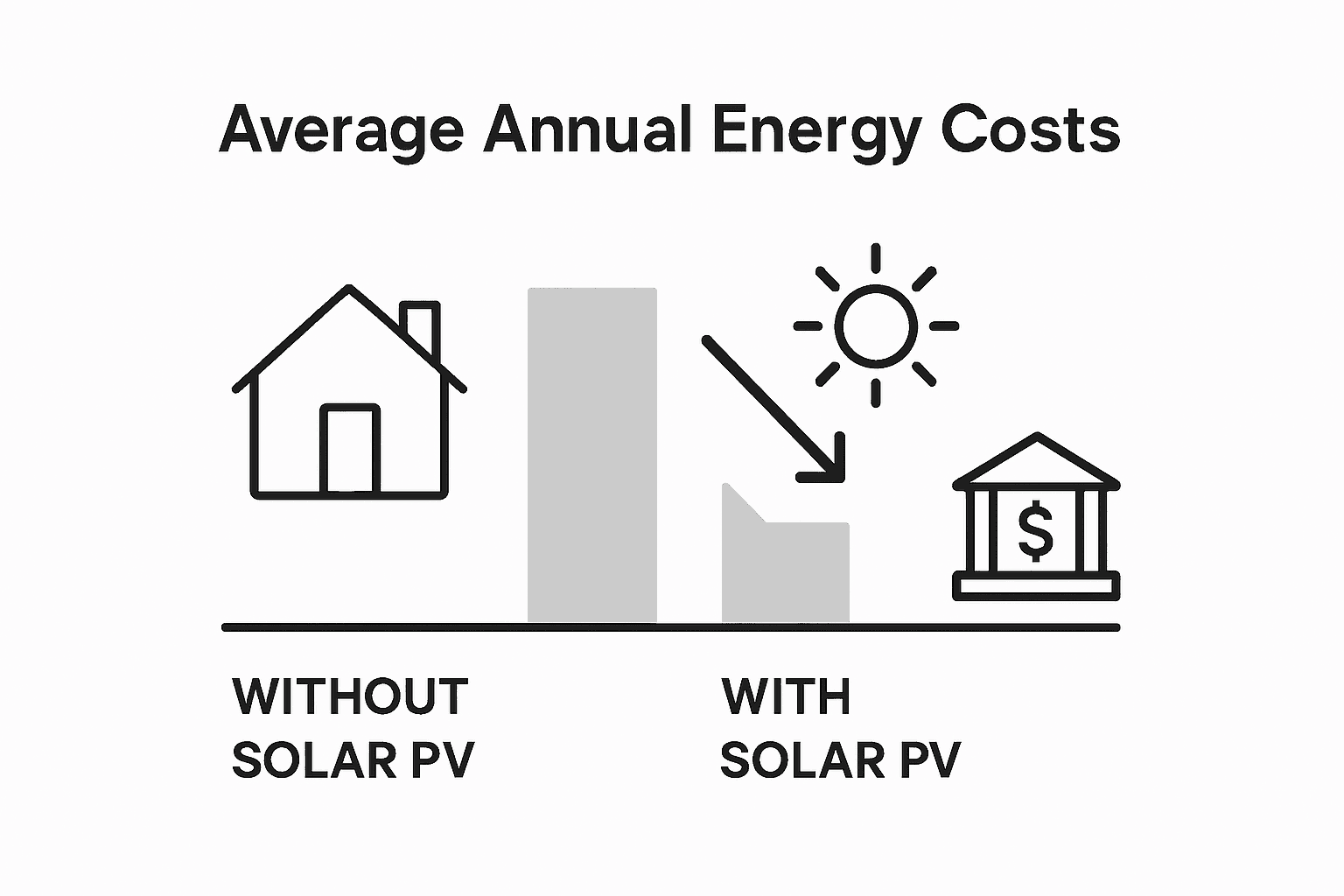
Government incentives significantly enhance the financial appeal of solar PV systems. These typically include tax credits, grants, low-interest loans, and accelerated depreciation benefits that can offset initial installation expenses. Commercial and industrial installations often benefit from more extensive incentive programs, with some jurisdictions offering performance-based rebates or renewable energy certificates that create additional revenue streams. The comprehensive financial strategy for solar investments now encompasses not just electricity generation, but also potential income from grid services, energy trading, and sustainable infrastructure development.
Pro Tip: Financial Modeling Insight: Always request a detailed 25-year financial projection that accounts for equipment degradation, electricity price fluctuations, and potential technological upgrades to make a truly informed investment decision.
As renewable energy technologies continue to mature, solar PV investments are transitioning from alternative energy solutions to mainstream financial strategies with predictable and increasingly attractive economic performance.
Common Pitfalls and What to Avoid
Effective solar PV system implementation requires careful navigation of potential challenges, with homeowners and businesses needing to be aware of critical design and integration considerations. The most prevalent mistakes often stem from insufficient planning, inadequate system design, and unrealistic expectations about energy generation and financial returns. Understanding these potential pitfalls can help investors make more informed decisions and avoid costly errors that could compromise the long-term performance and economic viability of their solar installations.
One of the most significant technical challenges involves improper system sizing and integration. Comprehensive simulations in the construction industry demonstrate how neglecting systematic planning can result in substantial inefficiencies, potentially reducing the overall sustainability and economic benefits of solar investments. Common mistakes include oversizing or undersizing solar arrays, failing to account for specific site conditions like shading, roof orientation, and local climate patterns, and neglecting the importance of professional site assessments that can reveal critical installation constraints.
Financial miscalculations represent another critical area of potential failure for solar PV investments. Many investors underestimate the complexity of long-term financial modeling, overlooking factors such as equipment degradation rates, maintenance costs, potential technological obsolescence, and fluctuating electricity pricing structures. Additionally, poorly structured financing arrangements or a lack of understanding about available government incentives can significantly impact the expected return on investment. Investors must also be cautious about choosing low-quality equipment or inexperienced installation providers, as these decisions can dramatically affect system performance and long-term reliability.
Pro Tip: Comprehensive Assessment Strategy: Always engage a professional solar consultant who can provide a detailed, site-specific evaluation covering technical feasibility, financial projections, and potential system optimization strategies before making any investment decisions.
Navigating the solar PV landscape requires a holistic approach that balances technical expertise, financial acumen, and realistic expectations about renewable energy technologies.
To help you avoid setbacks, here’s a summary of common pitfalls and preventative strategies:
Pitfall | Why It Occurs | How to Avoid |
Improper system sizing | Lack of site-specific assessment | Conduct professional reviews |
Overlooking incentive rules | Incomplete understanding of programs | Consult energy specialists |
Choosing low-quality parts | Focus on reducing upfront costs | Select proven manufacturers |
Ignoring maintenance needs | Underestimating operational demands | Set up routine inspections |
Maximize Your Solar PV Investment With Integrated Energy Solutions
The article highlights key challenges like optimizing solar PV system sizing, integrating battery storage, and managing energy use efficiently to unlock real savings and reliability. If you want to avoid common pitfalls such as improper system design or missed financial opportunities, a smart, unified approach is essential. Belinus offers advanced Energy Management System technology that dynamically optimizes your solar, battery, and EV charging assets to maximize ROI and system performance.

Take control of your energy future with Belinus’s comprehensive solutions including cutting-edge graphene supercapacitor storage, residential and commercial solar integration, and seamless EV charging management through EMS. Act today to ensure your solar investment delivers unmatched savings and resilience. Explore how our expert team and innovative products simplify complex solar projects by visiting Belinus now and make informed decisions backed by automated 25-year financial modeling and professional system design.
Frequently Asked Questions
What are the main benefits of installing solar PV?
Installing solar PV can significantly reduce your electricity bills, provide energy independence, and lower your carbon footprint. Additionally, many regions offer financial incentives, tax credits, and grants, making solar investments more attractive.
How does solar PV technology generate electricity?
Solar PV technology converts sunlight directly into electricity through the photovoltaic effect, where photons excite electrons in semiconductor materials, typically silicon, creating an electric current that can be used for power generation.
What types of solar PV systems are available for homes?
There are three primary types of solar PV systems: grid-tied systems, which are connected to the public electricity grid; off-grid systems, which operate independently using battery storage; and hybrid systems, which combine both approaches for greater flexibility.
What factors should I consider when designing a solar PV system?
Key factors to consider include your specific energy needs, the orientation and shading of your installation site, the quality and efficiency of the solar panels, and available financial incentives. Consulting with a professional solar designer can help you optimize your system for maximum efficiency.
Recommended
Comments