7-Step Solar Power Checklist for Benelux Homeowners
- Feb 1
- 9 min read
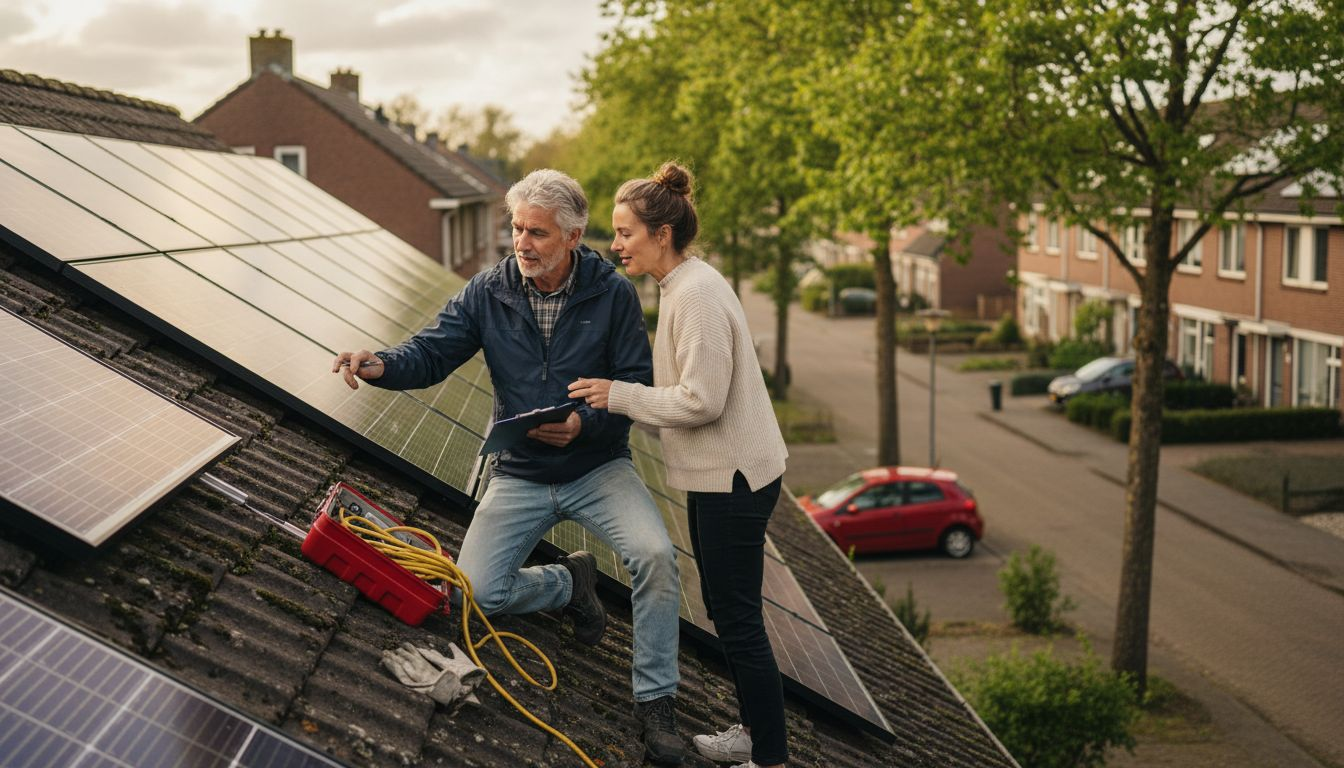
Switching your home to solar energy in the Benelux region can feel overwhelming, especially with so many technical details and choices to make. If you do not know where to start, it is easy to get lost among the options—from roof assessment to finding the best panel technology. The right approach can mean the difference between long-term energy savings and missing out on your solar potential.
This guide delivers practical steps that help you move confidently from planning to installation. You will uncover how to make sense of your energy usage, choose technologies suited to your climate, and get the most from your investment. Each insight brings you closer to a solar system designed around your home’s unique needs and the opportunities available in the Benelux region.
Get ready for clear, actionable ideas that will simplify your decision making and set you up for solar success.
Table of Contents
Quick Summary
Takeaway | Explanation |
1. Evaluate roof size and sun exposure | Check available space and sunlight hours to maximize solar panel efficiency. |
2. Assess energy needs accurately | Review your electricity bill history to determine appropriate solar system size and configuration. |
3. Choose the right solar panel technology | Select solar panels that offer high efficiency suitable for the Benelux region climate. |
4. Consider battery storage options | Evaluate battery technologies to optimize energy storage and usage from your solar system. |
5. Plan for professional installation | Ensure expert installation for better performance and longevity of your solar energy system. |
1. Evaluate Your Roof Size and Sun Exposure
Knowing your rooftop’s solar potential is the foundational first step for any successful solar installation in the Benelux region. Your roof isn’t just a structural element - it’s the canvas for your renewable energy transformation.
To determine your solar readiness, you’ll need to assess three critical factors:
Roof Size: Total available surface area for solar panel installation
Sun Exposure: Annual sunlight hours and directional orientation
Shading Conditions: Potential obstructions like trees or nearby buildings
Homeowners can leverage advanced technology to conduct a comprehensive roof assessment. Solar rooftop potential tools provide satellite mapping and precise solar irradiance data, helping you understand exactly how much solar energy your specific roof can generate.
In the Benelux region, south-facing roofs with minimal shading typically offer the most optimal solar conditions. Ideally, you want a roof that receives direct sunlight between 9 am and 3 pm, maximizing solar panel efficiency.
Interactive visualization technologies like Shadowmap can help you analyze your rooftop’s sun path and understand seasonal shading variations with incredible precision. These tools allow you to virtually simulate sun exposure throughout the year, giving you a data-driven perspective on your solar potential.
Pro tip: Consult a professional solar installer who can conduct a detailed on-site solar assessment, combining satellite data with ground-level measurements to provide the most accurate solar potential evaluation.
2. Assess Energy Needs and Usage Patterns
Understanding your household’s energy consumption is crucial before investing in a solar power system. Your current electricity usage will directly determine the size and configuration of solar panels you’ll need.
To get an accurate picture of your energy needs, gather these key pieces of information:
Electricity Bill History: Collect 12 months of past electricity bills
Peak Usage Periods: Identify times of highest energy consumption
Seasonal Variations: Note how energy usage changes throughout the year
Homeowners can leverage solar energy calculators that provide precise energy production estimates based on local conditions. These tools help you match solar panel output with your specific household consumption patterns.
Accurate energy assessment can help you design a solar system that offsets up to 80% of your annual electricity costs.
A detailed analysis involves examining your current electricity consumption across different appliances and activities. Look for opportunities to reduce energy usage through efficiency improvements before sizing your solar installation.
The Homeowner’s Guide to Solar recommends tracking your energy consumption meticulously. This means recording monthly kilowatt hour usage and understanding how different seasons impact your electricity needs.
Key factors to consider include:
Total annual electricity consumption
Peak daily energy requirements
Potential for future energy demand changes
Pro tip: Create a comprehensive spreadsheet tracking your monthly electricity usage for the past two years to identify precise consumption trends and optimize your solar system design.
3. Choose the Right Solar Panel Technology
Selecting the appropriate solar panel technology is a critical decision that will impact your energy production efficiency and long term investment returns. Not all solar panels are created equal especially in the variable climate of the Benelux region.
Key solar panel technologies to consider include:
Monocrystalline Panels: Highest efficiency rates
Polycrystalline Panels: More affordable option
Thin Film Panels: Flexible installation options
Solar panel technologies have advanced significantly in recent years providing homeowners with more sophisticated choices than ever before. Modern photovoltaic systems offer improved performance under diverse environmental conditions.
Efficiency matters more than raw panel quantity when designing your solar installation.
The International Energy Agency highlights that solar PV technology now supports modular deployment across residential scales. This means you can customize your system precisely to match your specific energy consumption patterns.
In the Benelux context pay special attention to:
Local climate resilience
Temperature coefficient performance
Warranty and durability ratings
Consider exploring types of solar panels to understand nuanced differences between available technologies.
Pro tip: Request performance data for solar panels under low light and temperature conditions specific to the Benelux region to ensure optimal year round energy generation.
4. Compare Battery Storage Options for Your Home
Choosing the right battery storage system is pivotal for maximizing your solar investment and ensuring energy independence. Your battery selection will directly impact your home’s ability to store and utilize solar energy efficiently.
Key battery storage technologies to evaluate include:
Lithium Iron Phosphate (LFP): High safety and long cycle life
Graphene Supercapacitor: Rapid charging and exceptional durability
Pre-lithiated Lithium Batteries: Enhanced performance in cold climates
Battery storage performance guidelines highlight critical factors homeowners should consider when selecting storage solutions.
Energy storage is not just about capacity but about intelligent energy management.
In the Benelux region consider these essential evaluation criteria:
Temperature performance range
Cycle life and degradation rates
Integration capabilities with existing solar systems
The battery storage solutions market offers increasingly sophisticated options tailored to residential needs.
Consider technologies that provide:
Rapid response times
High round trip efficiency
Smart grid integration features
Pro tip: Request detailed performance data for battery systems under low temperature conditions typical in the Benelux region to ensure consistent energy storage capabilities.
5. Select an Intelligent Energy Management System
An intelligent energy management system transforms your solar installation from a simple power generator to a sophisticated home energy ecosystem. These advanced systems do far more than just monitor your electricity production.
Key capabilities of modern energy management systems include:
Real Time Energy Tracking: Monitor consumption and production
Automated Load Shifting: Optimize energy usage across peak and off peak hours
Grid Integration: Enable smart energy trading and arbitrage
Solar PV energy management systems enable homeowners to maximize their renewable energy potential through smart technological solutions.
Smart energy management turns your home into an intelligent power network.
In the Benelux context look for systems that offer:
Dynamic tariff optimization
Multi technology support
Native mobile and web dashboard interfaces
The goal is to create a comprehensive energy ecosystem that adapts to your specific household consumption patterns.
Smart home energy solutions provide unprecedented control over your electricity usage and generation.
Advanced systems should provide:
Detailed energy consumption analytics
Predictive maintenance alerts
Seamless battery storage integration
Pro tip: Request a demonstration of the energy management system’s mobile app interface to ensure it provides user friendly and comprehensive energy insights.
6. Review Available Financial Incentives and ROI
Understanding the financial landscape of solar investments can transform your renewable energy project from an expense to a strategic financial opportunity. In the Benelux region strategic financial planning is crucial for solar adoption.
Key financial considerations include:
Tax Credit Opportunities: Government renewable energy support
Feed-in Tariff Programs: Revenue from excess energy generation
Net Metering Benefits: Credit for grid contributions
Homeowner solar incentives provide multiple pathways to reduce initial investment and accelerate return on investment.
Smart financial planning can reduce solar installation costs by up to 40%.
Critical financial evaluation factors:
Initial system installation costs
Local electricity rate structures
Projected energy generation potential
Available government and regional incentives
The solar policy landscape in Central Europe continues to evolve supporting residential renewable energy investments.
Consider these ROI calculation strategies:
25 year total system performance projection
Electricity price escalation rates
Maintenance and replacement cost estimates
Pro tip: Request a comprehensive 25 year financial model from your solar installer that includes detailed projections of energy savings utility incentives and system performance.
7. Plan Professional Installation and Ongoing Monitoring
Professional solar installation is the critical final stage that transforms your carefully planned solar project into a functioning energy ecosystem. Your system’s performance and longevity depend entirely on expert implementation and continuous monitoring.
Key aspects of professional installation include:
Structural Roof Assessment: Ensuring mounting integrity
Electrical Safety Compliance: Meeting local regulatory standards
Precision Equipment Placement: Optimizing solar panel positioning
Rooftop PV system installation requires meticulous attention to structural and technical details.
A professionally installed solar system can increase energy efficiency by up to 25%.
Critical installation considerations:
Precise panel angle and orientation
Minimal shading interference
Robust electrical connection protocols
Comprehensive system documentation
Solar system operational guidelines emphasize the importance of continuous performance monitoring.
Ongoing monitoring should track:
Energy production metrics
Equipment performance
Potential maintenance requirements
System efficiency trends
Pro tip: Request a comprehensive post installation report that includes baseline performance metrics and recommended monitoring intervals for your specific solar system configuration.
Below is a comprehensive table summarizing the essential steps, considerations, and insights for planning and implementing a solar energy system as discussed in the article.
Step | Key Considerations | Benefits/Outcomes |
Evaluate Roof Size and Sun Exposure | Assess roof size and sun exposure using tools like satellite mapping and Shadowmap. Evaluate shading and orientation effects. | Determines your roof’s solar energy potential for efficient panel installation. |
Assess Energy Needs and Usage Patterns | Collect utility bills, identify usage trends, and evaluate consumption. Use energy calculators for accurate investment sizing. | Aligns panel output with household energy requirements, enhancing efficiency. |
Choose Appropriate Solar Panel Technology | Compare technologies (monocrystalline, polycrystalline, thin film) and consider climate factors. | Ensures optimal energy production while accommodating environmental conditions. |
Compare Battery Storage Options | Evaluate storage systems (e.g., LFP, supercapacitors) by capacity, durability, and operational environment compatibility. | Enhances energy independence and system efficiency. |
Select Energy Management System | Opt for systems offering energy tracking, load shifting, and grid integrations. Ensure user-friendly interfaces. | Maximizes energy usage and cost savings with advanced management features. |
Research Financial Incentives | Investigate tax benefits, tariffs, and net metering opportunities. Create ROI projections. | Reduces overall system cost and achieves faster financial returns. |
Plan Professional Installation | Prioritize precise installation and continuous monitoring with professional assessments. | Guarantees long-term system efficiency and reliability through expert implementation. |
Unlock Your Solar Potential with Belinus Energy Solutions
Navigating the complexities of solar power installation in the Benelux region can feel overwhelming from evaluating roof size and sun exposure to choosing the right battery storage and intelligent energy management. The 7-Step Solar Power Checklist for Benelux Homeowners highlights these challenges clearly—maximizing energy efficiency, ensuring climate resilience, and optimizing financial returns are key concerns for any homeowner.
Belinus offers a comprehensive suite of residential solar, battery, and intelligent EMS solutions designed to address these exact challenges. Whether you need cutting-edge graphene supercapacitor storage or smart systems for dynamic tariff optimization, our expertly integrated products transform your home into an energy-smart powerhouse. Explore how our custom Energy Wall solutions and the advanced Solis Inverters combined with our intelligent energy management system can help you unlock up to 80 percent energy savings and secure your investment.
Take control of your renewable energy journey today and experience seamless integration with the Belinus platform. Visit us now and begin designing your personalized solar ecosystem that the 7-step checklist recommends for Benelux homeowners.
Frequently Asked Questions
How do I evaluate my roof’s suitability for solar panels?
To evaluate your roof’s suitability for solar panels, measure its size, assess sun exposure, and check for shading conditions. Start by using online tools to conduct a preliminary analysis of your roof’s solar potential.
What information should I gather to assess my household’s energy needs?
Gather your electricity bill history for the past 12 months, identify peak usage periods, and note seasonal variations in energy consumption. This data will help you determine the size and configuration of the solar panels needed.
What factors should I consider when choosing solar panel technology?
When choosing solar panel technology, consider efficiency rates, cost, and performance under different climate conditions. Evaluate options like monocrystalline and polycrystalline panels to find the best match for your energy needs.
How can I maximize my investment with battery storage?
To maximize your solar investment with battery storage, evaluate different battery technologies based on safety, performance in various temperatures, and how well they integrate with your solar system. Prioritize systems that offer long cycle life and rapid response times.
What features should I look for in an energy management system?
Look for energy management systems that provide real-time energy tracking, automated load shifting capabilities, and seamless grid integration. Choose a system that allows you to monitor and optimize your energy use effectively.
How can I financially plan for my solar installation?
Financially plan for your solar installation by researching available incentives, tax credits, and net metering benefits. Create a detailed financial model to project your return on investment and identify potential savings over the system’s life.
Recommended
Comments