7 Smart Solutions for Homeowners: Battery Storage Systems List
- Jan 28
- 9 min read
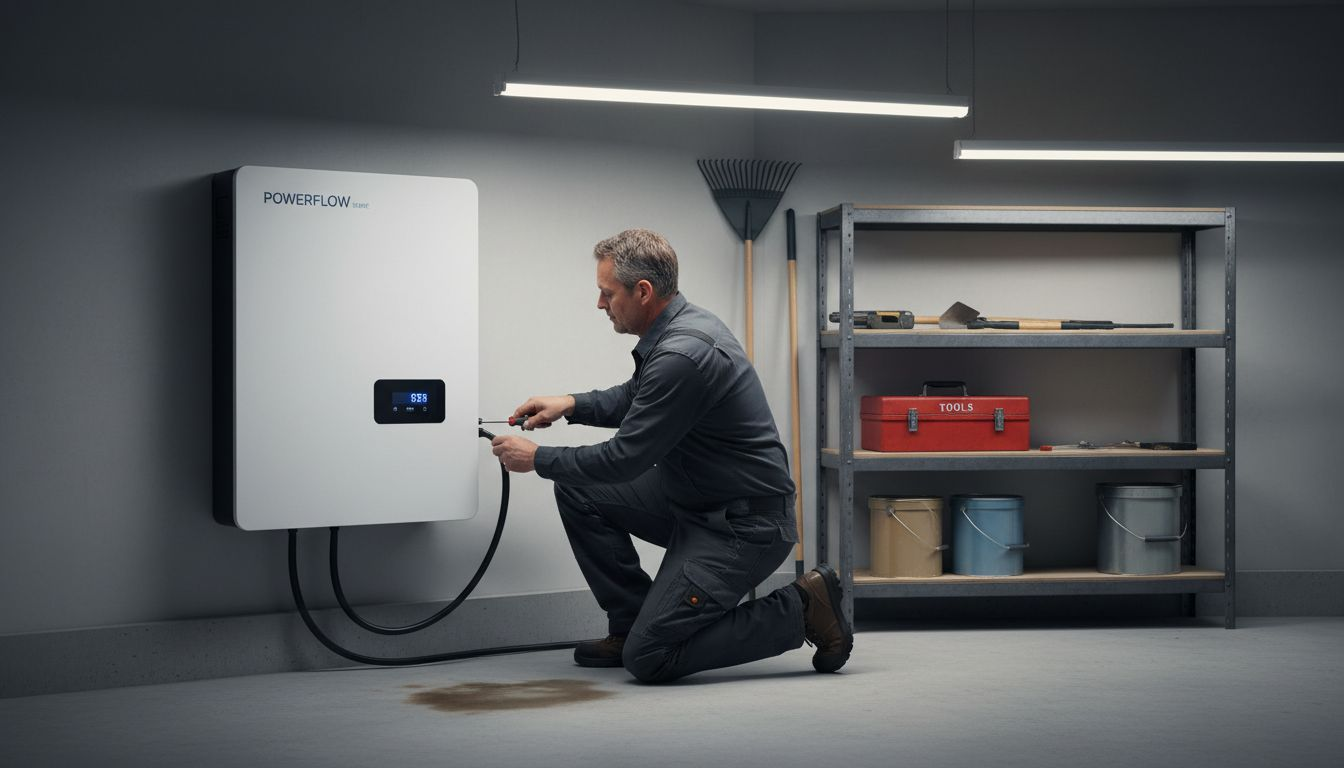
Figuring out how to manage your home’s energy can feel overwhelming with so many new options available. Whether you want to cut electricity costs, keep the lights on during outages, or get the most from your solar panels, you need reliable solutions that fit your household’s specific needs. The right technology not only brings you more control but also opens up new opportunities for savings and flexibility.
This guide gives you practical knowledge on battery storage systems, solar integration, and smart pricing. Discover clear, actionable insights that will help you take charge of your home’s energy—from choosing the ideal battery capacity to optimizing backup power and planning for future needs. See exactly how these strategies work together to give you stability, savings, and energy independence.
Table of Contents
Quick Summary
Takeaway | Explanation |
1. Optimize Battery Capacity Based on Needs | Analyze daily energy consumption and select a battery that meets your household’s specific energy requirements for efficiency. |
2. Leverage Dynamic Tariffs for Savings | Use dynamic electricity pricing to manage consumption by utilizing stored energy during peak hours to reduce overall costs. |
3. Integrate Smart Energy Management Systems | Implement smart technologies to coordinate energy use, maximizing renewable resource utilization and cutting electricity expenses. |
4. Prepare for Emergencies with Backup Power | Prioritize essential appliances and accurately determine your backup power needs for effective emergency solutions. |
5. Choose Modular Battery Systems for Flexibility | Consider modular systems that allow for incremental upgrades and adaptations to changing household energy demands over time. |
1. Understanding How Battery Storage Systems Work
Battery storage systems represent a transformative technology that enables homeowners to capture, store, and strategically use electrical energy. By capturing excess renewable energy, these advanced systems provide unprecedented control over home energy management.
At their core, battery storage systems function through a sophisticated process of energy conversion and storage. They capture electricity generated from sources like solar panels during peak production times, storing this energy in rechargeable battery units. When energy demand rises or solar production drops, these systems smoothly discharge stored electricity, ensuring a consistent and reliable power supply for your home.
The primary mechanism involves converting electrical energy into chemical energy for storage, then reversing the process when electricity is needed. Modern battery technologies use lithium ion or graphene supercapacitor designs that offer high efficiency and rapid charge discharge cycles. This means homeowners can significantly reduce their reliance on grid electricity and potentially lower energy costs.
For Central European households, battery storage systems provide multiple advantages. They support grid stability, enable better renewable energy integration, and offer a buffer against electricity price fluctuations. Homeowners can strategically use stored energy during peak pricing periods, effectively managing their electricity expenses.
Pro tip: Consult with a professional energy advisor to determine the optimal battery storage capacity for your specific household energy consumption patterns.
2. Choosing the Right Battery Capacity for Your Home
Selecting the optimal battery storage capacity represents a critical decision for homeowners seeking energy independence. Understanding your household’s unique power consumption patterns is key to determining the right battery size for maximum efficiency.
Battery capacity selection involves analyzing several crucial factors. First, calculate your daily energy consumption by reviewing past electricity bills and identifying peak usage periods. Most residential systems range from 5 to 20 kilowatt hours (kWh), with average American homes typically requiring 10 to 15 kWh for essential backup power.
Consider your specific energy goals when sizing a battery system. Are you looking to reduce grid dependency? Provide emergency backup during outages? Or maximize renewable energy utilization? Each objective demands a nuanced approach to battery capacity selection.
Critical factors to evaluate include your solar panel output, typical daily electricity consumption, critical appliance power requirements, and desired backup duration. Households with high energy demands or frequent power outages might need larger capacity systems that can sustain multiple critical appliances for extended periods.
Key Considerations for Battery Capacity Selection:
Average daily household electricity consumption
Number of critical appliances needing backup
Solar panel generation capacity
Desired backup power duration
Future energy expansion plans
Pro tip: Consult a professional energy auditor who can perform a detailed assessment of your specific household energy needs and recommend the most suitable battery storage capacity.
3. Benefits of Graphene Supercapacitor Solutions
Graphene supercapacitor technology represents a revolutionary approach to energy storage that offers significant advantages over traditional battery systems. These advanced solutions provide homeowners with unprecedented performance and reliability in managing electrical energy.
Unlike conventional lithium ion batteries, graphene supercapacitors deliver remarkable charging speed and exceptional cycle life. They can absorb and release electrical energy at rates up to 10 times faster than standard battery technologies, making them ideal for dynamic residential energy management scenarios.
The primary advantages of graphene supercapacitor solutions include extraordinary energy density, rapid charge discharge capabilities, and extended operational lifespan. Homeowners can expect consistent performance with minimal degradation over thousands of charge cycles, which translates to long term cost effectiveness and reduced maintenance requirements.
Key performance characteristics make graphene supercapacitors particularly attractive for residential applications. They demonstrate superior temperature tolerance, operating efficiently across a wide range of environmental conditions from freezing winters to hot summers. This versatility ensures reliable energy storage regardless of geographic location or seasonal variations.
Critical Benefits of Graphene Supercapacitor Technology:
Ultrafast charging capabilities
Extensive operational lifecycle
Enhanced energy efficiency
Excellent temperature resilience
Minimal performance degradation
Pro tip: Consult with energy professionals who specialize in advanced storage technologies to determine whether graphene supercapacitor solutions align with your specific home energy requirements.
4. Integrating Solar with Energy Management Systems
Solar energy integration with intelligent management systems represents a transformative approach to residential power optimization. Smart energy management technologies enable homeowners to maximize renewable energy utilization and reduce electricity costs.
Energy management systems function as sophisticated digital orchestrators that coordinate between solar panel generation, battery storage, and household consumption. These intelligent platforms analyze real time energy production and usage patterns, automatically directing power flow to maximize efficiency and minimize grid dependence.
The core benefit of integrated solar energy management lies in its ability to balance and optimize energy resources dynamically. Homeowners can leverage automated systems that intelligently switch between solar generation, stored battery power, and grid electricity based on real time pricing and availability.
Key Integration Benefits:
Automatic energy flow optimization
Reduced electricity expenses
Enhanced renewable energy utilization
Improved household energy independence
Seamless power management
Critical Components for Successful Integration:
Smart inverters
Centralized energy monitoring platform
Battery storage system
Real time data analytics
Automated load management
Pro tip: Consult with a professional energy systems integrator who can design a customized solution tailored to your specific household energy consumption profile and solar generation potential.
5. Optimizing Energy Use with Dynamic Tariffs
Dynamic electricity tariffs represent a revolutionary approach to managing home energy consumption and reducing overall electricity expenses. Smart tariff strategies enable homeowners to strategically control their energy spending by adjusting usage based on real time pricing.
These innovative pricing models fluctuate electricity rates throughout the day, creating opportunities for consumers to save money by consuming energy during lower cost periods. Typical dynamic tariff structures feature lower rates during off peak hours and higher rates during peak demand times, incentivizing more efficient energy consumption patterns.
Battery storage systems play a crucial role in maximizing dynamic tariff benefits. By storing electricity when rates are lowest typically during nighttime or low demand periods homeowners can strategically use stored energy during expensive peak hours. This approach transforms energy consumption from a passive to an active financial management strategy.
Key Benefits of Dynamic Tariffs:
Reduced electricity expenses
Enhanced energy consumption awareness
Incentives for efficient energy use
Potential for significant household savings
Support for grid stability
Strategies for Dynamic Tariff Optimization:
Monitor hourly electricity rates
Schedule high energy activities during low cost periods
Use battery storage for peak hour energy supply
Implement smart home energy management systems
Track and analyze energy consumption patterns
Pro tip: Invest in an energy management system with real time tariff tracking capabilities to automatically optimize your electricity consumption and maximize cost savings.
6. Using Battery Storage for Emergency Backup Power
Emergency backup power represents a critical safeguard for modern homes, protecting families from unexpected electrical grid disruptions. Battery storage systems provide reliable emergency backup that ensure continuous power during unexpected outages.
Modern battery storage technologies offer rapid response and seamless power transition during emergencies. When grid electricity fails, these advanced systems instantly activate, supplying electricity to critical household appliances and maintaining essential functions like refrigeration, communication devices, medical equipment, and home security systems.
Understanding the specific power requirements of your household is crucial for effective emergency backup planning. Most residential battery systems can be configured to prioritize essential circuits during power interruptions, allowing homeowners to strategically allocate limited backup energy to the most critical electrical needs.
Key Emergency Backup Considerations:
Total household power consumption
Critical appliance power requirements
Desired backup duration
System response time
Automatic switching capabilities
Recommended Emergency Backup Strategies:
Identify essential electrical circuits
Calculate total backup power needs
Select battery system with appropriate capacity
Install automatic transfer switches
Perform regular system maintenance
Pro tip: Conduct an annual review of your emergency backup power system to ensure optimal performance and update configurations based on changing household energy requirements.
7. Future-Proofing Your Home with Modular Systems
Modular battery storage systems represent a strategic approach to creating flexible and adaptable home energy solutions. Advanced modular technologies enable scalable energy storage that can evolve alongside your changing household energy requirements.
The core advantage of modular battery systems lies in their ability to expand or upgrade incrementally. Homeowners can start with a basic configuration and progressively add capacity or integrate new technologies without replacing the entire energy storage infrastructure. This approach allows for continuous adaptation to emerging renewable energy innovations and changing household power needs.
Modular systems provide unprecedented flexibility in energy management. You can customize your storage solution by adding battery modules as your energy consumption patterns shift, ensuring that your home energy system remains efficient and cost effective over time. This adaptability becomes particularly valuable as solar technology and battery performance continue to improve rapidly.
Key Benefits of Modular Battery Systems:
Flexible capacity expansion
Reduced upfront investment
Easy technology upgrades
Customizable energy solutions
Long term cost effectiveness
Modular System Implementation Strategies:
Assess current energy consumption
Select scalable storage platform
Plan for potential future upgrades
Monitor technological advancements
Budget for incremental improvements
Pro tip: Consult with energy system professionals who can help you design a modular battery storage strategy aligned with your specific long term energy independence goals.
NO_TABLE
Discover Smarter Energy Independence with Belinus Battery Storage Solutions
The article highlights the challenges homeowners face when choosing the right battery storage system to maximize renewable energy use, cut electricity costs, and prepare for emergencies. If you want cutting-edge solutions that offer graphene supercapacitor technology, modular scalability, and intelligent energy management, Belinus delivers exactly that. Our Energy Wall G1 system provides 16 kWh of efficient, long-lasting storage perfect for handling dynamic tariffs and emergency backup power—exactly the smart features you need to future-proof your home energy.

Ready to elevate your home’s energy management with customized solutions integrating solar PV, advanced battery storage, and real-time tariff optimization? Visit Belinus Website to explore how we combine smart innovations like our Energy Wall G1 with a powerful centralized EMS. Take control of your energy usage now to reduce costs and increase resilience through proven technology designed for homeowners who demand the very best.
Frequently Asked Questions
How do battery storage systems work for homeowners?
Battery storage systems capture and store electricity generated from sources like solar panels. To optimize energy use, homeowners should consult an energy advisor to assess their specific energy needs and system configuration.
What factors should I consider when choosing battery capacity for my home?
When selecting battery capacity, evaluate your daily energy consumption, critical appliance requirements, and desired backup duration. Calculate your total energy needs and plan for any future expansions to ensure efficient energy management.
What are the benefits of using graphene supercapacitor solutions?
Graphene supercapacitors provide rapid charging and an extended operational lifespan compared to traditional batteries. To maximize efficiency, consider integrating this technology into your energy management system.
How can I integrate solar energy with my battery storage system?
Integrating solar energy involves using smart management systems to coordinate energy production, storage, and usage. Begin by investing in a smart inverter and centralized monitoring platform to optimize performance and reduce electricity costs.
What is the role of dynamic tariffs in optimizing energy costs?
Dynamic tariffs allow homeowners to adjust energy usage based on real-time pricing, leading to reduced electricity expenses. To take advantage, actively monitor hourly rates and schedule power-intensive tasks during off-peak periods.
How can I prepare my battery storage system for emergency backup?
To prepare for emergencies, identify essential circuits in your home and calculate total backup power needs. Ensure your system is configured to prioritize critical appliances during outages, and conduct regular maintenance checks for optimal performance.
Recommended
Comments