Scalable Energy Storage: Transforming Commercial Operations
- Feb 14
- 7 min read
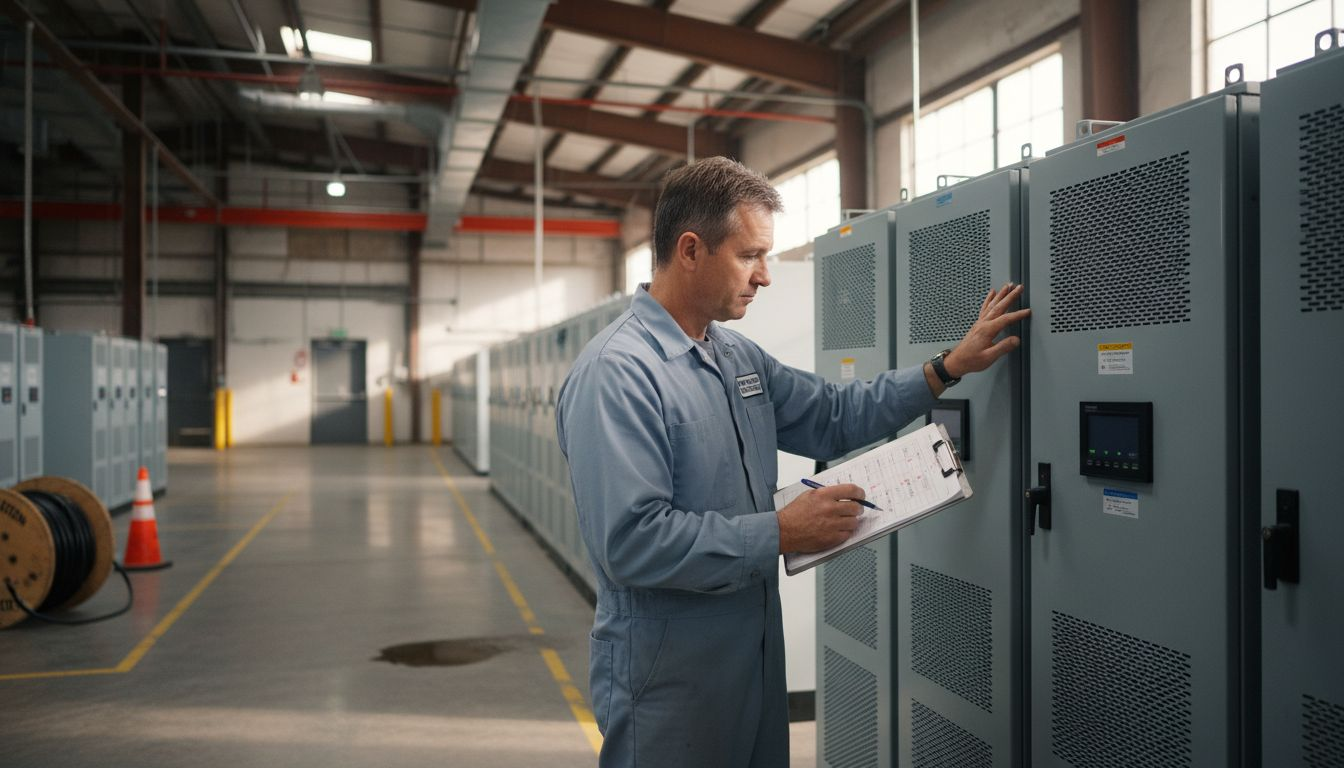
Managing fluctuating electricity costs while pursuing sustainability can challenge even the most forward-thinking enterprises. As renewable integration grows across Central Europe, businesses face mounting pressure to keep operations reliable and efficient without overspending or risking compliance. Understanding scalable energy storage solutions gives energy managers the tools to meet dynamic demand, stabilize expenses, and future-proof their energy strategies.
Table of Contents
Key Takeaways
Point | Details |
Scalable Energy Storage is Essential | It empowers commercial enterprises with flexible energy management and sustainability strategies by dynamically matching energy capacity with demand. |
Diverse Technologies Available | Options like Lithium-ion batteries and pumped hydro cater to various operational needs, allowing businesses to optimize energy management through a hybrid approach. |
Financial and Operational Benefits | Effective deployment of energy storage can reduce costs, create new revenue streams, and enhance operational reliability during grid disruptions. |
Risk Management is Crucial | Businesses must implement comprehensive safety protocols and comply with regulations to mitigate risks associated with energy storage systems. |
Defining Scalable Energy Storage Solutions
Scalable energy storage represents a critical technological infrastructure enabling commercial enterprises to transform electricity management and sustainability strategies. At its core, scalable energy storage refers to flexible systems capable of expanding energy capacity dynamically to match evolving commercial energy demands.
Understanding the significance of scalable solutions requires examining their fundamental components and capabilities. Battery technologies for renewable integration have advanced dramatically, offering commercial operations unprecedented flexibility in managing electricity resources. These systems encompass several key characteristics:
Modular design allowing incremental capacity expansion
Rapid response to grid fluctuations
Seamless integration with existing electrical infrastructure
Advanced power conversion capabilities
Real-time energy management through intelligent control systems
Commercial energy storage solutions must address three primary strategic objectives: cost optimization, grid reliability, and sustainability. Modern scalable systems enable enterprises to:
Reduce peak electricity consumption charges
Provide backup power during grid interruptions
Support renewable energy integration
Generate additional revenue through grid services
The technological landscape for scalable energy storage continues evolving, with emerging solutions bridging intermittent renewable generation and stable grid performance. By implementing adaptable storage architectures, commercial enterprises can significantly enhance their operational resilience and economic efficiency.
Pro tip: Conduct a comprehensive energy audit before selecting scalable storage solutions to precisely match system capabilities with your specific operational requirements.
Types of Energy Storage for Commercial Use
Commercial energy storage encompasses a diverse range of technologies designed to address the complex electricity management needs of modern enterprises. Electrochemical and mechanical storage technologies740227_EN.pdf) offer unique capabilities for supporting grid stability and renewable integration across various operational scales.
The primary types of energy storage solutions for commercial applications include:
Lithium-ion batteries: Highest flexibility and fastest response times
Pumped hydro storage: Large-scale, long-duration energy management
Compressed air systems: Intermediate-scale grid support
Hydrogen storage: Seasonal and long-term energy preservation
Flow batteries: Scalable chemical storage with extended cycling capabilities
Each storage technology presents distinct advantages for commercial operations. Lithium-ion batteries excel in rapid response and short-duration applications, making them ideal for peak demand management and grid stabilization. Pumped hydro remains the most established large-scale storage method, providing extensive capacity for seasonal energy balancing.
Modern commercial energy strategies increasingly prioritize multi-technology approaches that combine different storage solutions. This hybrid model allows enterprises to optimize energy management by leveraging the unique strengths of various storage technologies. Factors such as discharge duration, response speed, and installation costs drive technology selection for specific commercial contexts.
Here’s a comparison of common commercial energy storage technologies and their ideal applications:
Technology | Best Use Case | Response Time | Typical Duration |
Lithium-ion Battery | Peak shaving, backup power | Sub-second | Minutes to 4 hours |
Pumped Hydro | Seasonal balancing, bulk storage | Several minutes | 6 hours to days |
Compressed Air | Grid support, bulk storage | 5-30 minutes | Several hours |
Hydrogen Storage | Long-term, seasonal storage | 10+ minutes | Days to months |
Flow Battery | Flexible, extended cycling | Sub-minute | 2 to 10 hours |
Pro tip: Evaluate your specific energy requirements through comprehensive demand analysis before selecting a storage technology, considering factors like peak load, renewable integration, and desired grid service capabilities.
How Modular and Scalable Systems Operate
Modular energy storage systems represent a revolutionary approach to commercial energy management, offering unprecedented flexibility and adaptability. Standardized storage units enable businesses to construct comprehensive energy solutions that can expand or contract based on evolving operational requirements.
The core operational principles of modular systems include:
Standardized building block design
Seamless unit interconnectivity
Independent power and capacity scaling
Real-time performance monitoring
Rapid deployment and reconfiguration
These systems function through sophisticated integration mechanisms that allow individual storage units to communicate and operate as a cohesive ecosystem. Commercial operators can incrementally add storage capacity without substantial infrastructure modifications, creating a cost-effective and adaptive energy management strategy.
Advanced energy management systems play a critical role in coordinating modular storage operations. These intelligent platforms enable precise control, allowing businesses to optimize energy dispatch, balance load requirements, and participate in dynamic energy markets. The ability to dynamically adjust storage configurations provides commercial enterprises with unprecedented operational flexibility and economic optimization.
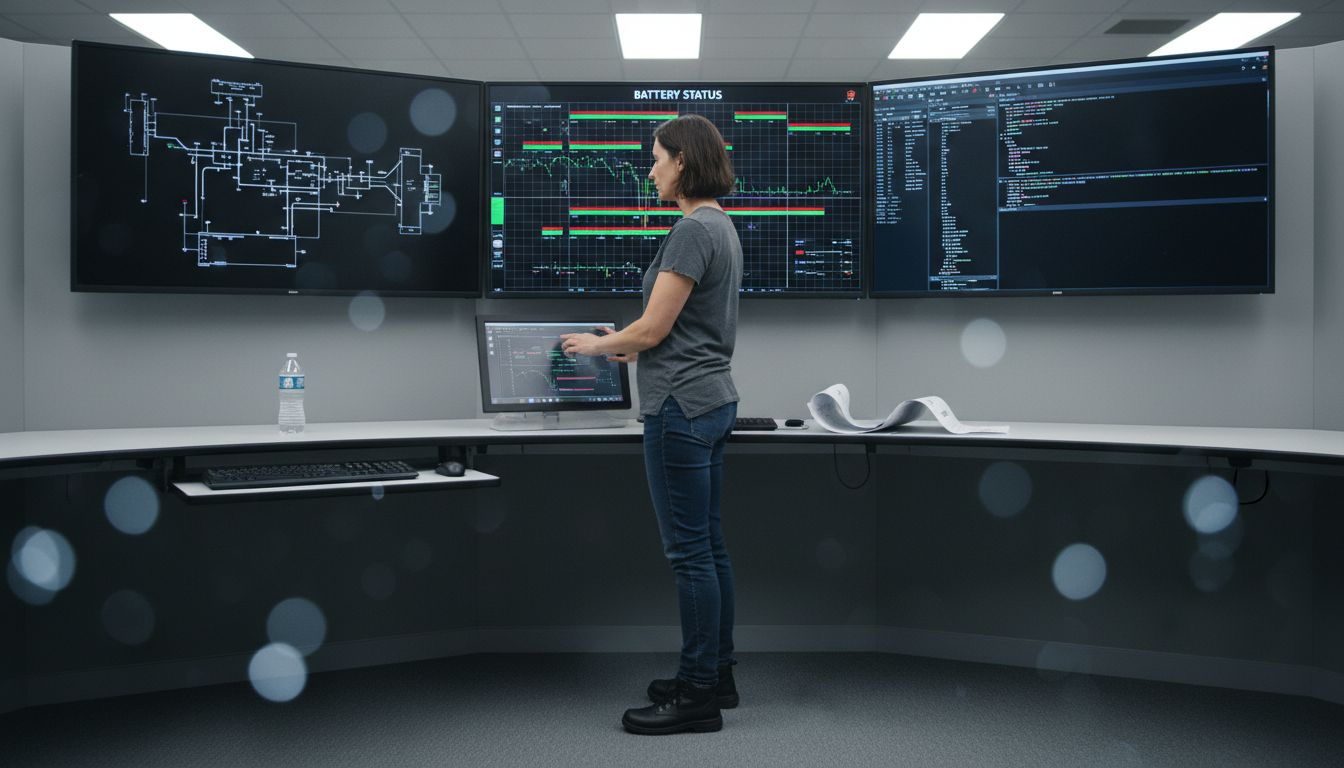
Pro tip: Prioritize modular systems with comprehensive monitoring capabilities that allow granular performance tracking and predictive maintenance across individual storage units.
Financial and Operational Impacts for Businesses
Scalable energy storage technologies are transforming commercial financial strategies by offering unprecedented opportunities for cost optimization and operational efficiency. Comprehensive financial analysis reveals multiple pathways for businesses to generate economic value through strategic energy storage investments.
Key financial benefits for commercial enterprises include:
Reduction of peak demand charges
Deferred grid infrastructure investments
New revenue streams from ancillary energy services
Enhanced renewable energy integration
Improved energy procurement strategies
Operational impacts extend far beyond immediate financial gains. Energy storage systems enable businesses to dramatically improve their energy reliability, providing critical backup power and reducing vulnerability to grid disruptions. This enhanced resilience translates into tangible economic advantages, minimizing potential revenue losses from unexpected power interruptions.
The strategic implementation of energy storage requires a nuanced approach to capital expenditure. Businesses must carefully evaluate upfront costs against long-term operational savings, considering factors such as technology performance, maintenance requirements, and potential incentive programs. The most successful deployments view energy storage not as an expense, but as a dynamic asset capable of generating multiple revenue streams and operational efficiencies.
This summary outlines key financial and operational benefits of scalable energy storage for businesses:
Benefit Category | Description | Example Impact |
Cost Optimization | Lowers energy costs via demand reduction | Reduced peak demand charges |
New Revenue Streams | Earns income from grid services and programs | Participation in ancillary service markets |
Reliability | Ensures uptime during outages | Backup power during grid failure |
Sustainability | Enhances use of renewable resources | Increased solar and wind integration |
Pro tip: Conduct a detailed financial modeling analysis that accounts for potential revenue streams, incentives, and operational savings before making energy storage investment decisions.
Key Risks, Safety, and Compliance Factors
Commercial energy storage solutions demand rigorous safety and risk management strategies to protect operational integrity and regulatory compliance. Safety standards in energy storage are critical for mitigating potential technological and environmental risks associated with large-scale energy storage deployments.
Key risk categories for commercial energy storage include:
Thermal management challenges
Mechanical system failures
Chemical storage safety
Electrical system integrity
Environmental contamination risks
Technological risks require comprehensive mitigation strategies that address both immediate operational safety and long-term systemic vulnerabilities. Different storage technologies present unique safety considerations, from thermal runaway in lithium-ion batteries to hydrogen storage containment challenges. Successful risk management involves implementing robust monitoring systems, emergency response protocols, and continuous performance evaluation.
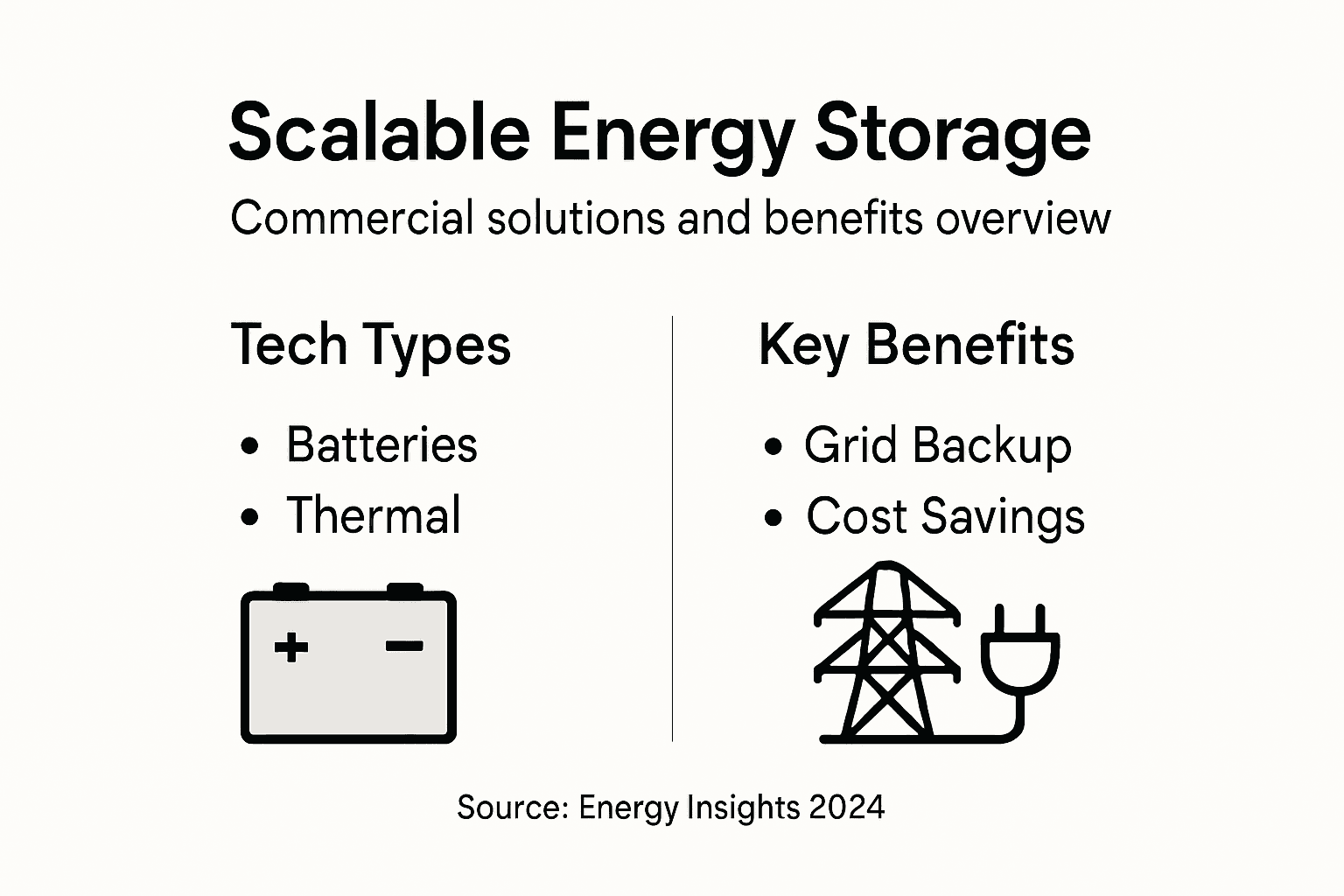
Regulatory compliance represents another critical dimension of energy storage safety. Commercial enterprises must navigate complex legal frameworks that govern installation, operation, and potential decommissioning of energy storage systems. This involves adhering to regional safety standards, obtaining necessary certifications, and maintaining detailed documentation of system performance and maintenance activities.
Pro tip: Develop a comprehensive risk assessment framework that includes periodic safety audits, advanced monitoring technologies, and proactive maintenance protocols to minimize potential operational hazards.
Unlock the Full Potential of Scalable Energy Storage for Your Business
Managing commercial energy demands is complex and requires scalable storage solutions that offer modular design, rapid response, and intelligent control. The article highlights key challenges like balancing peak demand reduction, ensuring backup power reliability, and integrating renewable energy smoothly. If you want to overcome these hurdles with cutting-edge technology, Belinus provides comprehensive energy solutions engineered to match your evolving operational needs.
Our commercial storage options include robust utility-scale modules scalable to megawatt capacities combined with a centralized Energy Management System that optimizes battery arbitrage and grid services in real time. With support for multiple storage technologies such as graphene supercapacitors and lithium iron phosphate batteries, Belinus empowers you to maximize financial benefits while boosting sustainability and resilience.
Elevate your energy strategy today by exploring our commercial and utility solutions and discover how modular, scalable storage can transform your operations.

Don’t wait to optimize your energy costs and reliability. Visit Belinus now and start designing a custom, future-proof energy storage system tailored exactly to your commercial needs.
Frequently Asked Questions
What are scalable energy storage solutions?
Scalable energy storage solutions are flexible systems that can dynamically expand their energy capacity to match changing commercial energy demands. They play a critical role in optimizing electricity management and sustainability strategies in commercial enterprises.
What types of energy storage technologies are commonly used in commercial applications?
Common types of energy storage technologies for commercial use include lithium-ion batteries, pumped hydro storage, compressed air systems, hydrogen storage, and flow batteries. Each technology offers unique advantages for specific operational needs.
How do modular energy storage systems operate?
Modular energy storage systems use standardized building block designs that allow for seamless interconnectivity and independent power scaling. This enables businesses to incrementally add storage capacity without significant infrastructure changes, optimizing energy management flexibility.
What financial and operational impacts can scalable energy storage have on businesses?
Scalable energy storage can significantly reduce peak demand charges, create new revenue streams from ancillary services, improve energy reliability during outages, and enhance renewable energy integration. These systems transform energy management from a cost center into a dynamic asset for commercial enterprises.
Recommended
Comments