Smart home energy tips: cut costs and save power
- 11 hours ago
- 9 min read
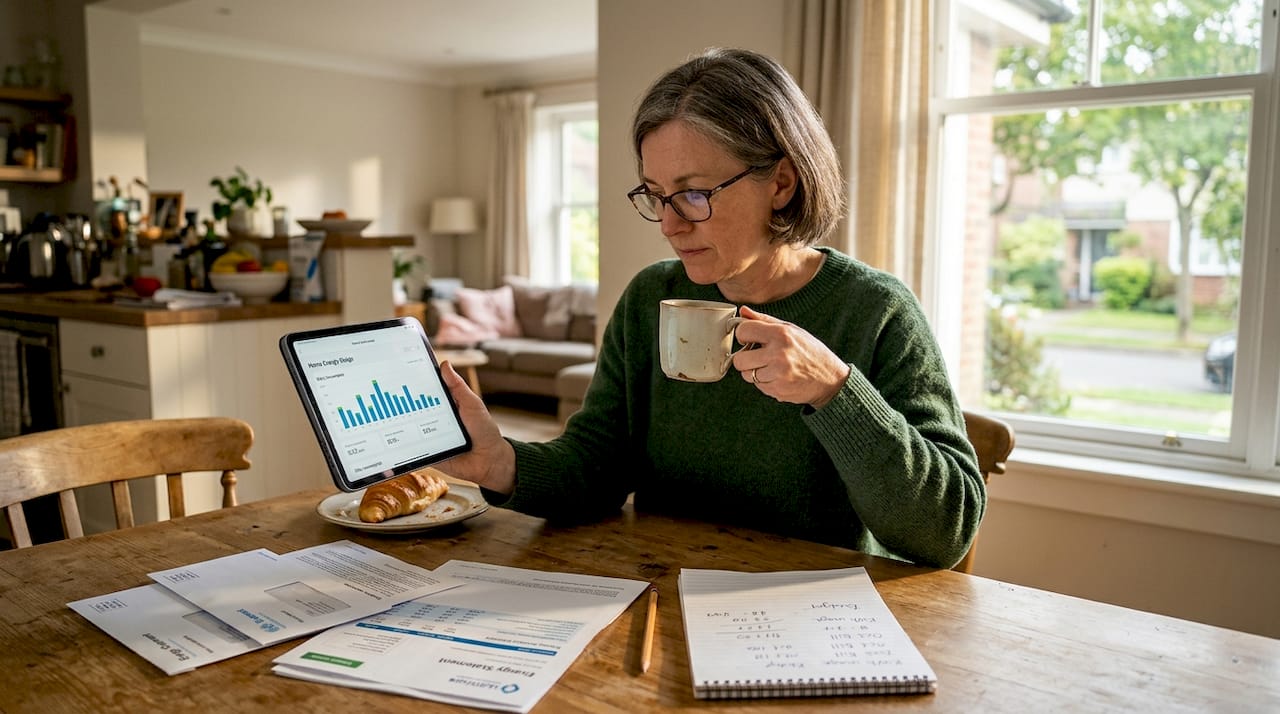
Choosing the right smart home energy technology can feel overwhelming with countless devices promising savings but delivering mixed results. Many homeowners struggle to identify which solutions genuinely reduce bills versus those that simply add complexity. This article cuts through the confusion with evidence-based smart home energy tips focused on proven technologies like smart thermostats, energy monitors, and reliable local protocols. You’ll discover practical selection criteria, realistic savings expectations, and a clear roadmap to optimize your home’s energy use while lowering costs and environmental impact.
Table of Contents
Key Takeaways
Point | Details |
Start with energy monitoring | Baseline data on where your energy goes helps target smart upgrades and identify opportunities for savings. |
Eliminate phantom loads | Identifying and eliminating phantom loads can save about £100 to £112 annually. |
Local protocol choice | Choose energy monitors that support local protocols like Zigbee or Z Wave to keep data private and ensure operation during internet outages. |
Smart thermostat savings | Smart thermostats can cut heating costs by twenty to thirty percent through learning geofencing and optimized scheduling. |
One degree impact | A one degree reduction in the heating setpoint can save about seven percent on heating costs. |
Start with energy monitoring to understand your consumption
Before investing in any smart home technology, you need baseline data about where your energy actually goes. Energy monitors are essential first step to baseline usage before implementing smart tech, enabling targeted automation. These devices connect to your electrical panel or individual circuits to track real-time consumption, visualizing energy use through apps or dashboards. You’ll quickly identify which appliances consume the most power and when your home draws electricity unnecessarily.
The hidden value of monitoring becomes clear when you discover phantom loads. These are devices that draw power even when switched off or in standby mode, including televisions, gaming consoles, phone chargers, and kitchen appliances. Research shows homeowners can save £100-112 annually just by eliminating these phantom loads once they’re identified. Smart monitors make these invisible drains visible, allowing you to take action.
With baseline consumption data in hand, you can make informed decisions about which automation investments deliver the best returns. Instead of guessing which rooms waste energy or when to schedule heating, you’ll have concrete evidence guiding your choices. A home energy dashboard explained properly shows consumption patterns that reveal opportunities for savings you never knew existed.
Pro Tip: Choose energy monitors that support local protocols like Zigbee or Z-Wave rather than cloud-only solutions. Local processing keeps your consumption data private within your home network while ensuring the monitor continues functioning during internet outages. This approach protects your privacy and improves system reliability from day one.
Optimize heating with smart thermostats for big savings
Heating typically represents your home’s largest energy expense, making smart thermostats the highest-impact upgrade after establishing monitoring. These devices use learning algorithms to understand your schedule and preferences, automatically adjusting temperatures to minimize waste without sacrificing comfort. Smart thermostats can reduce heating costs by 20-30% through automatic adjustments, geofencing, and learning user habits.
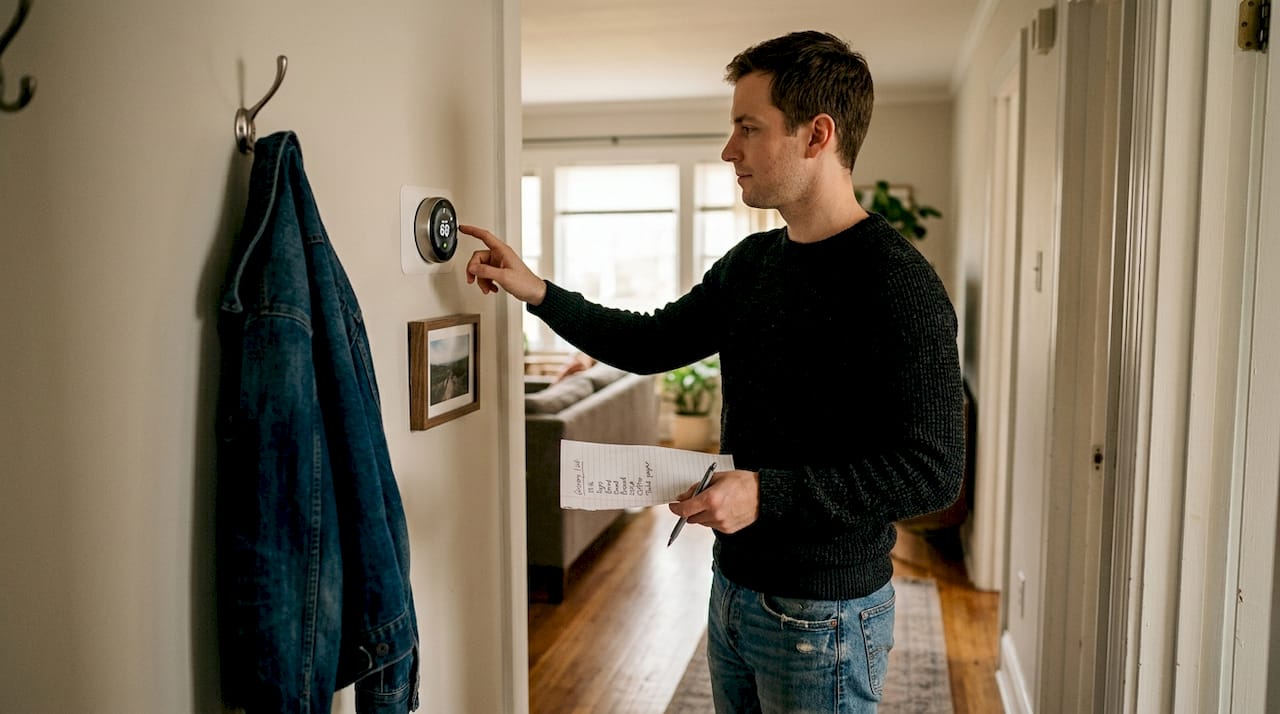
The savings mechanism works through multiple strategies working together. Geofencing detects when you leave home and reduces heating automatically, then warms the house before you return. Learning algorithms identify patterns in your routine, creating optimized schedules that maintain comfort during occupied hours while cutting waste when rooms sit empty. Remote control via smartphone apps lets you adjust temperatures from anywhere, preventing energy waste from unexpected schedule changes.
Real-world results show typical annual savings of €150-300 for European households, with even modest temperature reductions delivering measurable impact. Every 1°C reduction in your heating setpoint can save approximately 7% on heating costs. Over a heating season, these small adjustments compound into substantial savings while smart scheduling ensures you never notice the difference during occupied hours.
“The best smart thermostat is one you’ll actually use consistently. Choose models with intuitive interfaces and reliable local control rather than feature-packed options requiring constant cloud connectivity.”
Best practices maximize your thermostat’s effectiveness. Set away temperatures 3-4°C lower than occupied settings to balance savings with system efficiency. Use scheduling features to align heating with your actual routine rather than leaving it in auto mode constantly. Enable geofencing if you have irregular schedules, but verify it works reliably before relying on it exclusively. Review your smart home energy explained resources to understand how thermostats integrate with broader energy management strategies.
Pro Tip: Pair your smart thermostat with a local home automation hub rather than relying solely on the manufacturer’s cloud service. This ensures continued operation during internet outages and protects your schedule data from being uploaded to external servers. Local control also improves response times and system reliability.
Manage standby power and choose reliable smart protocols
While smart devices promise energy savings, poorly chosen technology can actually increase consumption through constant standby power draw. Standby power adds up to 25% electricity waste if unmanaged; local protocols improve reliability and privacy. This hidden drain occurs when devices remain in sleep or idle modes, maintaining network connections and waiting for commands while drawing continuous power.
Common standby power culprits include smart speakers, streaming devices, gaming consoles, and ironically, some smart home hubs themselves. A typical household might have 20-40 devices in standby mode simultaneously, each drawing 1-20 watts continuously. Over a year, this seemingly small consumption accumulates to significant waste and unnecessary costs.
The protocol you choose for smart home devices directly impacts both energy efficiency and system reliability. Local-first protocols operate within your home network without requiring internet connectivity for basic functions:
Zigbee: Low-power mesh network supporting hundreds of devices with minimal energy draw
Z-Wave: Dedicated frequency avoiding Wi-Fi interference, excellent for reliability
Matter: New unified standard designed for interoperability and local control
Thread: IPv6-based mesh network with strong security and low power consumption
These local protocols contrast sharply with cloud-dependent solutions that require constant internet connectivity. When cloud services experience outages or companies discontinue support, cloud-based devices often become useless. Local protocols ensure your smart home continues functioning regardless of internet status, while keeping your usage data private within your home network.
Reducing standby waste requires systematic action:
Use your energy monitor to identify devices with high standby consumption
Install smart plugs on high-draw devices to cut power completely when not in use
Create automation rules that power down entertainment systems and peripherals at bedtime
Replace older devices with Energy Star certified models featuring lower standby consumption
Schedule regular audits to catch new sources of standby waste as you add devices
Protocol Type | Internet Required | Privacy Level | Outage Resilience | Typical Power Draw |
Local (Zigbee/Z-Wave) | No | High | Excellent | 1-3W per device |
Cloud-dependent | Yes | Low | Poor | 3-8W per device |
Hybrid | Partial | Medium | Good | 2-5W per device |
Pro Tip: Set up a dedicated guest network for any cloud-dependent smart devices you must use, isolating them from your main network and personal devices. Use local hubs as your primary control method, adding cloud connectivity only when specific features require it. This approach protects your privacy while maintaining the flexibility to use manufacturer apps when convenient. Review energy management at home strategies to integrate protocol choices into your broader efficiency plan.
Comparing smart home energy solutions: choosing what fits your needs
With foundational knowledge established, you need practical comparison criteria to select solutions matching your specific situation. Energy monitors and smart thermostats are priority devices with proven savings; protocol choice affects reliability and longevity. Understanding how different solutions stack up across key dimensions helps you allocate your budget effectively and avoid disappointment.
Solution | Typical Cost | Annual Savings | Installation Complexity | Reliability | Best For |
Energy Monitor | €80-200 | £100-112 | Low (DIY friendly) | Excellent | Understanding baseline usage |
Smart Thermostat | €150-250 | €150-300 | Medium (may need electrician) | Very Good | Homes with central heating |
Smart Plugs (set of 4) | €40-80 | €50-100 | Very Low (plug and play) | Good | Targeting specific devices |
Local Hub | €60-150 | Indirect | Low (network setup) | Excellent | Coordinating multiple devices |
Smart Lighting | €100-300 | €30-60 | Low (bulb replacement) | Good | Supplementary savings |
When selecting solutions, consider these decision factors:
Budget constraints: Start with monitoring and thermostats for maximum impact per euro spent
Home size and layout: Larger homes benefit more from zoned heating and comprehensive monitoring
Technical comfort level: Choose plug-and-play options if you prefer avoiding complex setup
Existing infrastructure: Leverage compatible systems rather than replacing everything at once
Privacy priorities: Emphasize local protocols if data security concerns you
Rental vs. ownership: Renters should focus on portable solutions like smart plugs and monitors
The most successful approach starts small with high-impact devices, then scales based on measured results. Install an energy monitor first to identify your biggest waste sources. Add a smart thermostat if heating represents a major expense. Deploy smart plugs on devices your monitor identified as standby power culprits. This sequential strategy lets you validate savings at each step before committing additional budget.
Avoid the temptation to automate everything immediately. Each additional smart device adds complexity, potential failure points, and often standby power consumption of its own. Focus automation on activities that genuinely waste energy, like heating empty rooms or running devices overnight unnecessarily. Manual control remains perfectly adequate for infrequent activities or devices with minimal energy impact.
Explore custom energy solutions explained to understand how professional energy management systems integrate multiple technologies into cohesive platforms. While comprehensive systems offer maximum optimization, starting with individual proven solutions lets you learn what works for your household before committing to larger investments.
Explore smart home energy solutions with Belinus
Ready to transform your energy management approach with solutions that deliver real savings? Belinus offers comprehensive smart home energy technologies designed specifically for European households seeking measurable cost reductions and environmental benefits. Our integrated platform combines energy monitoring, intelligent automation, and local-first control protocols to maximize efficiency without compromising privacy or reliability.
Explore Belinus smart home solutions to discover how our Energy Management System coordinates solar generation, battery storage, and consumption optimization through a unified interface. Access detailed guides on smart home energy explained principles and review our home energy dashboard explained resources to understand exactly how real-time monitoring drives better energy decisions. Our expert team provides personalized recommendations matching your home’s specific consumption patterns and savings goals.
Pro Tip: Check the Belinus blog regularly for updates on emerging smart energy technologies and integration techniques. As Matter protocol adoption expands and new efficiency standards emerge, staying informed ensures your system remains optimized and compatible with the latest innovations.
Frequently asked questions
What are the best smart home devices to start with?
Begin with an energy monitor to establish baseline consumption data and identify waste sources. Follow with a smart thermostat if heating represents a significant expense, as these two devices deliver the most immediate and measurable savings. This foundation lets you make informed decisions about additional automation based on actual data rather than assumptions. Review smart home energy explained for detailed implementation guidance.
How much can I save by reducing standby power?
Standby power can represent up to 25% of your home electricity consumption when left unmanaged. By using smart plugs or power strips to cut standby loads on entertainment systems, kitchen appliances, and other devices, typical households save £100-112 annually. The exact savings depend on how many devices you have in standby mode and their individual power draw. Explore energy management at home strategies to maximize your standby reduction results.
Why should I prioritize local smart home protocols over cloud-based ones?
Local protocols like Zigbee, Z-Wave, and Matter operate independently of internet connectivity, ensuring your smart home continues functioning during outages. Cloud dependency causes outages; local protocols improve reliability and privacy by processing commands within your home network. This approach protects your consumption data from being uploaded to external servers while eliminating the risk of devices becoming useless if manufacturers discontinue cloud services. Local control also delivers faster response times and lower latency.
Can smart home technology actually increase my energy consumption?
Yes, poorly implemented smart home systems can increase consumption through excessive standby power draw and unnecessary device proliferation. Each smart device requires power to maintain network connectivity and await commands. Choose energy-efficient devices with low standby consumption, prefer local protocols over cloud-dependent options, and automate only activities that genuinely waste energy. Strategic implementation focusing on high-impact areas like heating and phantom load elimination ensures net positive savings.
How long does it take to recoup the investment in smart home energy devices?
Payback periods vary by device and household consumption patterns. Smart thermostats typically pay for themselves within 1-2 years through heating savings of €150-300 annually. Energy monitors recoup their €80-200 cost within the first year by identifying phantom loads and waste. Smart plugs offer the fastest payback at 6-12 months when targeting high-consumption devices. Calculate your specific payback by comparing device costs against measured savings from your energy monitor data.
Recommended
Comments