7 Essential Solar Installation Tips for Smart Homeowners
- steve39584
- 1 day ago
- 11 min read
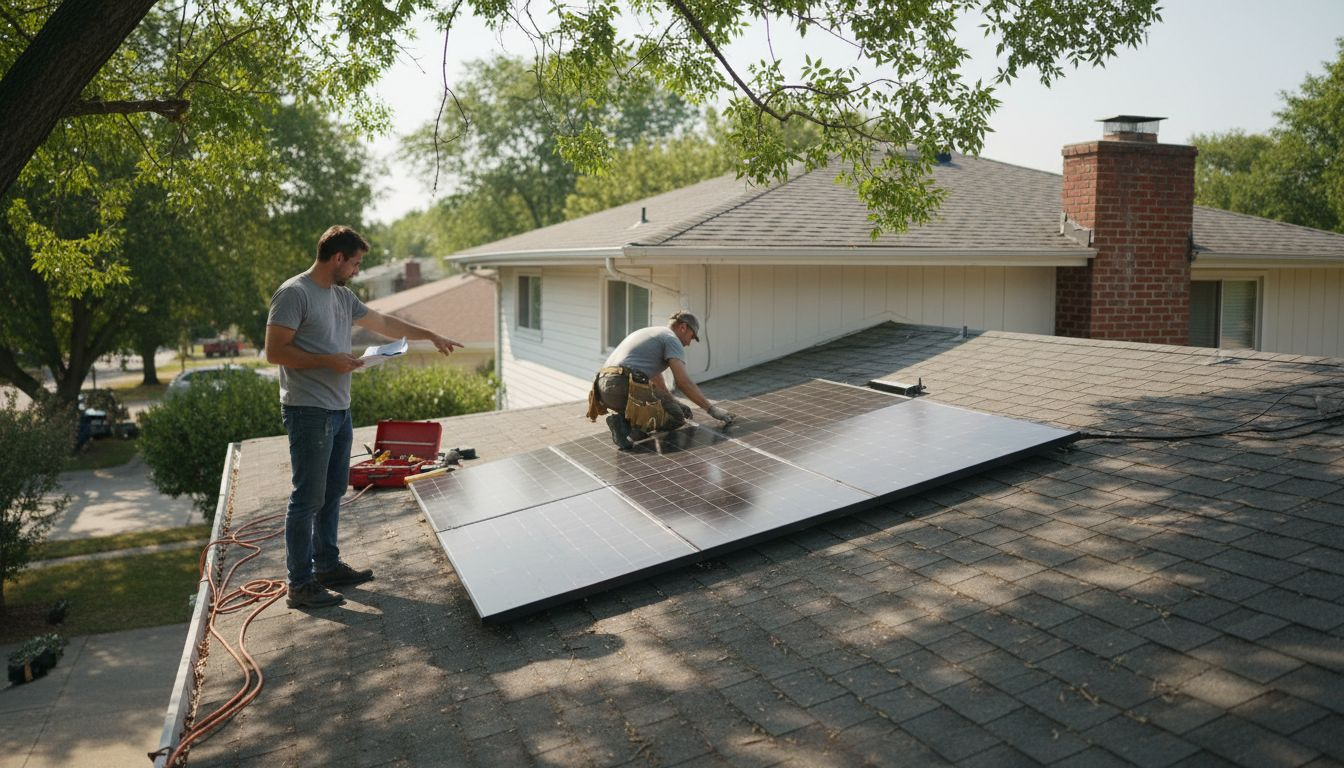
Thinking about adding solar panels to your home can feel overwhelming, especially with all the choices and technical details involved. It is not always clear how to tell if your roof is suitable, which products offer the best value, or how to make the most of modern solar technology. Simple mistakes at any step can lower your energy savings or cause expensive setbacks.
The good news is that there are reliable steps you can follow to confidently plan, install, and maintain a solar energy system. From assessing how much of your roof is actually usable for panels—research shows that on average only about 25 percent of rooftop area is suitable in typical residential buildings—to navigating permits and maximizing your battery usage, each stage can make a dramatic difference in your long term results.
Get ready to discover clear, actionable insights that will guide you through each key decision. The upcoming tips will help you unlock the full potential of solar for your home and avoid pitfalls that trip up many first-time installers.
Table of Contents
Quick Summary
Takeaway | Explanation |
1. Assess Roof Solar Potential | Evaluate roof characteristics such as pitch, orientation, and shade to determine solar panel feasibility and efficiency. |
2. Choose High-Efficiency Panels | Opt for panels with 17% to 25% efficiency to maximize energy generation for your home. |
3. Optimize Inverter and Battery Use | Select hybrid inverters and compatible battery systems to enhance energy management and savings. |
4. Plan Smart Energy Management | Implement systems that analyze and optimize energy flow, integrating solar, battery, and grid consumption. |
5. Understand Local Regulations | Familiarize yourself with local permits and grid connection requirements to ensure a compliant solar installation. |
1. Assess Your Roof’s Solar Potential First
Before investing in solar panels, understanding your roof’s potential is crucial for maximizing energy efficiency and financial returns. Your roof’s characteristics will significantly impact your solar installation’s performance and cost effectiveness.
When evaluating solar potential, several key factors come into play. The optimal rooftop solar assessment involves examining roof pitch, orientation, available surface area, and potential obstructions. Research indicates that residential buildings typically have approximately 25% of rooftop area suitable for solar panel installation.
Your roof’s orientation matters tremendously. South facing roofs in the Northern Hemisphere receive maximum sunlight exposure, making them ideal for solar panel placement. West and east facing roofs can still work effectively, though with slightly reduced energy generation potential. North facing roofs generally provide the least optimal solar conditions.
Roof age and structural integrity are equally important considerations. Panels typically last 25 to 30 years, so your roof should be in good condition and have sufficient remaining lifespan to support the installation. Older roofs might require replacement before solar panel mounting to prevent future complications and additional expenses.
Measuring your roof’s available space helps determine the number and type of solar panels you can install. Shade from nearby trees, chimneys, or building structures can significantly reduce solar panel efficiency. Professional solar assessments use advanced tools to map potential shading issues and calculate precise energy generation estimates.
Pro tip: Consider scheduling a professional solar assessment that uses precise solar mapping technology to evaluate your specific roof’s solar potential and potential energy generation capabilities.
2. Choose High-Efficiency PV Modules
Selecting high-efficiency photovoltaic modules is a critical decision that directly impacts your solar energy system’s performance and long-term financial returns. Not all solar panels are created equal, and understanding the nuances of module efficiency can dramatically improve your home’s energy generation potential.
Photovoltaic module efficiency represents the percentage of sunlight converted into usable electrical energy. Modern solar technologies have significantly advanced, with photovoltaic system performance now achieving conversion rates that were unimaginable just a decade ago. Highly efficient modules can transform more sunlight into electricity, meaning you generate more power from the same roof space.
When evaluating solar panels, look for modules with efficiency ratings between 17% and 22%. Premium panels can reach up to 25% efficiency, though they come at a higher upfront cost. Monocrystalline silicon panels typically offer the highest efficiency, while polycrystalline and thin film panels provide more budget friendly alternatives with slightly lower performance.
Consider your specific energy needs and roof constraints when selecting panels. Smaller roofs benefit most from high-efficiency modules, allowing maximum power generation in limited space. Regions with less intense sunlight especially require panels that can extract maximum energy from available light conditions.
Beyond efficiency ratings, examine manufacturer warranties, temperature coefficient, and degradation rates. Quality manufacturers typically guarantee panel performance with linear warranties ensuring 90% production capacity after 10 years and 80% after 25 years.
Pro tip: Request performance simulation reports from solar installers that model your specific roof’s expected energy generation using high-efficiency modules to understand potential real world output.
3. Optimize Inverter and Battery Integration
Successful solar power systems depend on seamless inverter and battery integration as much as the solar panels themselves. Selecting and configuring the right components can transform your home energy setup from basic electricity generation to a sophisticated smart energy management system.
Hybrid inverter technologies have revolutionized how homeowners manage solar energy. These advanced systems enable smart energy storage integration by allowing dynamic power flow between solar panels, home appliances, battery storage, and the electrical grid. Modern hybrid inverters can automatically switch between energy sources optimize consumption and reduce electricity costs.
When choosing an inverter system, consider three key factors performance efficiency, compatibility with your solar panels, and smart grid interaction capabilities. String inverters work well for standard installations, while microinverters offer more flexibility for complex roof configurations. Hybrid inverters provide the most comprehensive solution, enabling direct battery connection and advanced energy management.
Battery storage capacity should match your household energy consumption patterns. Typically, residential systems range from 5 to 15 kilowatt hour storage capacities. Lithium iron phosphate batteries offer longer lifespans and better performance compared to traditional lead acid alternatives. Aim for batteries with high round trip efficiency and low degradation rates to maximize your long term investment.
Smart inverter systems now include mobile app integration, allowing real time monitoring of energy production, consumption, and storage. These technologies enable you to track your solar system performance, optimize energy usage, and even sell excess electricity back to the grid during peak demand periods.
Pro tip: Request a comprehensive energy simulation from your solar installer that models your specific household energy consumption and demonstrates how an integrated inverter and battery system can optimize your electricity savings.
4. Plan for Smart Energy Management Systems
Transitioning from a traditional solar installation to a truly intelligent home energy system requires strategic planning and advanced digital technologies. Smart energy management systems represent the future of residential solar power optimization, enabling homeowners to transform how they generate, consume, and distribute electricity.
Modern smart energy management solutions integrate multiple technologies to provide comprehensive energy control. These sophisticated systems combine solar panel production data, battery storage capabilities, real time electricity pricing, and household consumption patterns into a unified platform. By leveraging artificial intelligence and machine learning, these systems can automatically adjust energy flows to maximize efficiency and minimize electricity costs.
Key features of advanced energy management systems include real time monitoring through mobile applications, predictive energy consumption analytics, and intelligent load balancing. Homeowners can track their solar production, battery storage levels, and grid interactions from their smartphones, enabling unprecedented visibility into their energy ecosystem. Some systems even offer automated energy trading capabilities, allowing you to sell excess electricity back to the grid during peak demand periods.
When selecting an energy management system, consider compatibility with your existing solar infrastructure, scalability for future upgrades, and user interface complexity. Look for platforms that offer cloud based monitoring, cybersecurity protections, and integration with smart home devices. European regulations increasingly support these digital energy solutions, recognizing their potential to stabilize electrical grids and reduce carbon emissions.
Implementing a smart energy management system requires careful planning. Start by conducting a comprehensive energy audit of your home, understanding your current consumption patterns, and identifying potential optimization opportunities. Consult with solar installation professionals who can recommend systems specifically tailored to your household energy profile.
Pro tip: Request a comprehensive energy management system demonstration that shows real time performance modeling and potential cost savings before making a final installation decision.
5. Understand Local Permits and Grid Requirements
Navigating the complex landscape of solar installation requires more than technical expertise it demands a comprehensive understanding of local regulatory frameworks. Your solar project success hinges on carefully managing permits, grid connection requirements, and municipal regulations.
The European Union has established clear guidelines for solar readiness through the Energy Performance of Buildings Directive, which mandates specific requirements for solar installations. By 2027, non residential buildings must be solar ready, with residential buildings following by 2030. This regulatory environment means homeowners must proactively engage with local authorities to ensure compliance.
Permit requirements vary significantly across different municipalities and regions. Some jurisdictions require detailed engineering drawings, structural assessments, electrical system diagrams, and proof of grid compatibility. You will typically need to submit documentation demonstrating your solar installation meets local building codes, electrical safety standards, and grid interconnection protocols.
Grid connection represents another critical consideration. Most European electricity distributors require formal applications for solar system interconnection. These applications often involve technical assessments to ensure your solar installation can safely integrate with existing electrical infrastructure. Key documentation typically includes system design specifications, inverter certifications, and detailed electrical schematics.
Financial incentives and bureaucratic processes differ across regions. Some municipalities offer expedited permit processes for solar installations, while others have more complex review mechanisms. Research your local renewable energy policies, potential tax credits, and grid feed in tariffs to maximize your project’s economic benefits.
Pro tip: Consult with a local solar installation professional who understands your specific municipal regulations and can help you navigate the permitting process efficiently.
6. Schedule Expert System Maintenance Regularly
Solar installations represent significant financial investments that require consistent professional care to maintain peak performance. Routine maintenance is not an optional expense but a critical strategy for protecting your solar energy system’s long term efficiency and reliability.
Professional maintenance involves comprehensive solar system inspection best practices that go far beyond simple visual checks. Trained technicians conduct detailed evaluations of electrical connections, panel surface conditions, mounting hardware integrity, and overall system performance metrics. These expert assessments can identify potential issues before they escalate into costly repairs or system failures.
Most solar experts recommend scheduling professional maintenance at least once annually, with additional checks recommended in regions experiencing extreme weather conditions. During these inspections, technicians will thoroughly clean solar panels, check electrical wiring for potential degradation, verify inverter functionality, and analyze energy production data to ensure optimal system performance.
Your maintenance schedule should include several critical assessments. Electrical connection points require careful examination for signs of corrosion or wear. Solar panel surfaces need professional cleaning to remove dust, debris, and potential microbial growth that can reduce energy conversion efficiency. Mounting systems should be inspected for structural stability, especially in areas with significant wind or snow loads.
Modern solar systems often include advanced monitoring technologies that can provide real time performance data. However, these digital tools do not replace the need for professional physical inspections. Combining technological monitoring with expert maintenance creates a comprehensive approach to system longevity and performance optimization.
Pro tip: Create a dedicated maintenance log that tracks each professional inspection, recording specific observations and recommended actions to build a comprehensive history of your solar energy system.
7. Leverage Automated Financial Planning Tools
Navigating the complex financial landscape of solar installations requires more than intuition it demands sophisticated digital tools that can model intricate economic scenarios with precision. Automated financial planning technologies have transformed how homeowners evaluate and optimize their solar energy investments.
The European energy market increasingly supports solar investment financial modeling through advanced digital platforms. These sophisticated tools integrate multiple complex variables including current electricity rates, projected energy price increases, available government incentives, system performance estimates, and potential long term savings calculations.
Modern financial planning software goes beyond simple payback period calculations. These tools can simulate various scenarios accounting for system degradation rates, potential electricity market fluctuations, and changing renewable energy policies. Homeowners can visualize potential financial outcomes across 10 to 25 year periods, helping them make informed decisions about solar investments.
Key features to look for in automated financial planning tools include real time data integration, comprehensive subsidy tracking, and personalized performance projections. The most advanced platforms can connect directly with your local utility databases, pulling current electricity rates and providing granular insights into potential energy savings. Some tools even offer machine learning algorithms that continuously refine financial projections based on emerging market trends.
When selecting a financial planning tool, prioritize platforms that provide transparent methodology, allow customized input of your specific household energy consumption, and offer detailed visual representations of potential financial scenarios. Many solar installation companies now provide complimentary access to these advanced modeling tools during initial consultations.
Pro tip: Request multiple financial simulations using different scenarios to understand the potential range of economic outcomes for your solar installation investment.
Below is a comprehensive table summarizing the key steps, considerations, and advantages involved in optimizing residential solar panel installations as discussed in the article.
Step | Details | Benefits |
Assess Your Roof’s Solar Potential | Evaluate roof pitch, orientation, condition, and available space for installing solar panels. | Accurate estimation of solar energy generation and reduction in initial assessment errors. |
Choose High-Efficiency PV Modules | Opt for photovoltaic modules with efficiency ratings between 17% and 25%, tailored to roof and regional conditions. | Higher energy production within limited space, ensuring return on investment and system optimization. |
Optimize Inverter and Battery Integration | Incorporate hybrid inverters and appropriately scaled batteries to manage energy conversion and storage efficiently. | Enhanced energy management, allowing storing energy for use during non-solar periods and reducing grid reliance. |
Plan for Smart Energy Management Systems | Deploy systems that integrate real-time monitoring, AI analytics, and automated energy distribution to maximize efficiency. | Improved control over energy usage, cost reduction through intelligent load balancing, and additional profit from energy trading. |
Understand Local Permits and Grid Requirements | Research and comply with municipal regulations and grid connection protocols for solar project approval. | Smooth project deployment, avoiding legal and technical issues. |
Schedule Expert System Maintenance Regularly | Conduct annual professional inspections focusing on system performance, machinery condition, and energy output. | Prolonged system efficiency and lifespan, minimizing repair costs. |
Leverage Automated Financial Planning Tools | Employ digital tools for precise economic modeling of solar investments, including cost-benefit analysis and incentive mapping. | Informed financial decisions leading to maximized economic returns on the solar installation project. |
Take Control of Your Solar Investment with Belinus Smart Solutions
Maximizing your home solar installation requires not only top quality panels and equipment but also smart integration and expert management. The article highlights key challenges like optimizing inverter and battery systems, navigating local permits, and leveraging advanced energy management. At Belinus, we address these needs head on by offering an intelligent Energy Management System that ensures seamless integration of solar PV, battery storage, and EV charging. Our solutions empower smart homeowners to fully harness solar energy efficiency and financial benefits while simplifying complex regulatory hurdles.

Discover how our cutting-edge products like the Energy Wall G1 graphene supercapacitor and Solis inverters can enhance your solar system performance. Combined with our centralized EMS platform featuring dynamic tariff optimization and real-time battery arbitrage, you get unmatched control and savings. Visit Belinus to explore how you can optimize your home’s solar potential today. Do not wait for rising energy costs to dictate your future when intelligent solar solutions are just a click away.
Frequently Asked Questions
How do I assess my roof’s solar potential?
Understanding your roof’s solar potential involves evaluating its pitch, orientation, available surface area, and potential obstructions like trees or chimneys. To get started, measure your roof’s dimensions and note its direction to determine the best spots for solar panel placement.
What should I look for in high-efficiency photovoltaic modules?
When selecting photovoltaic modules, focus on their efficiency ratings, which should ideally be between 17% and 22%. Choose panels that meet your energy needs while ensuring they fit well on your roof space.
How can I optimize my inverter and battery integration?
To optimize inverter and battery integration, consider hybrid inverter systems that allow for smart energy storage management. Evaluate your household energy patterns to select a battery with the right capacity and ensure your chosen inverter is compatible with your solar panels.
What features should I consider in a smart energy management system?
Look for a smart energy management system that integrates real-time monitoring, predictive analytics, and compatibility with your existing solar infrastructure. Starting with a comprehensive energy audit can help identify which features will maximize your electricity savings.
What local permits do I need for solar installation?
Obtaining the necessary local permits is crucial for your solar installation. Research specific permit requirements in your municipality, such as engineering drawings and grid connection documentation, to ensure compliance before proceeding.
How often should I schedule maintenance for my solar system?
Regular maintenance is essential, and you should schedule a professional inspection at least once a year. Prioritize maintenance during extreme weather and keep a log of each inspection to track the health and performance of your solar system.
Recommended