Top 3 Battery Storage for Companies 2026
- Apr 27
- 8 min read
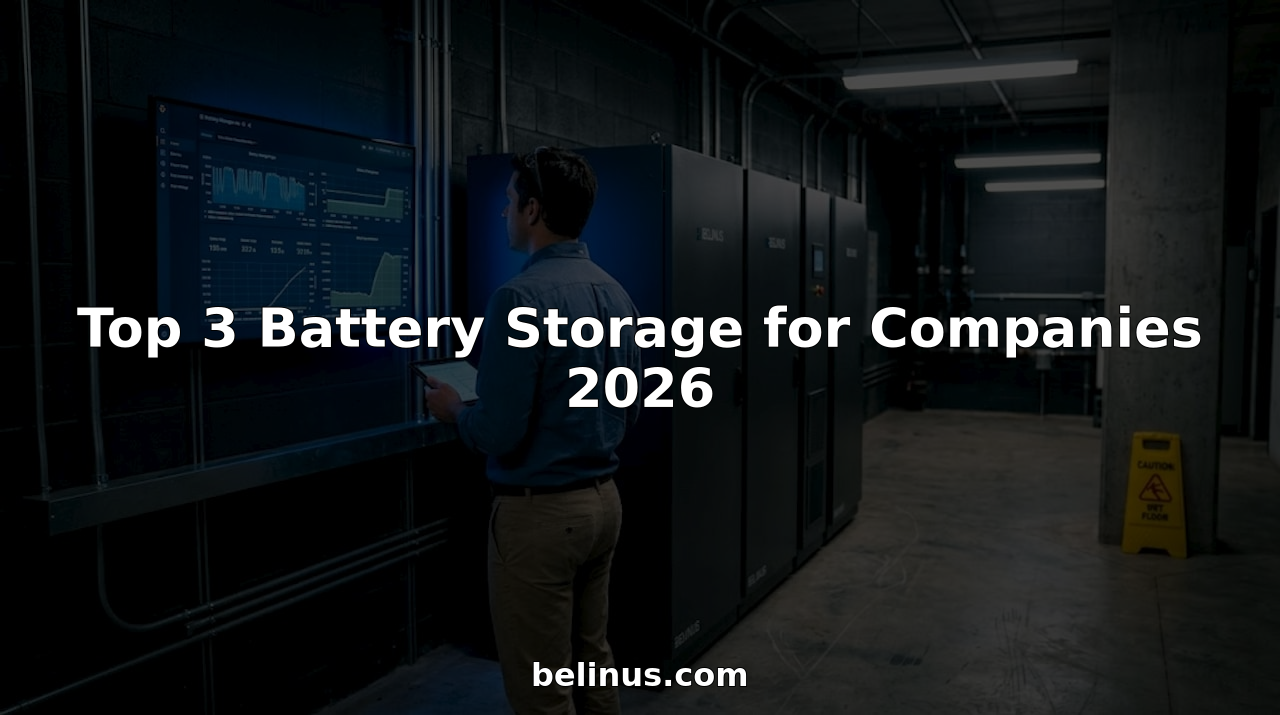
Storing energy is quickly becoming a top concern for companies looking to cut costs or keep operations running smoothly. With more firms searching for reliable ways to manage their power supply, the newest battery storage options stand out for their smart design and flexible use. As technology improves, these solutions promise stronger performance and easier integration into all kinds of businesses. Curious what sets the best choices apart or how they can help your company prepare for the future? The coming comparison offers a closer look.
Table of Contents
Belinus Energy
At a Glance
Belinus Energy stands out as the clear market leader for corporate battery storage thanks to its broad product set and integrated energy management. This is our top recommendation for facilities managers who want a unified, future ready platform that balances performance with sustainability.
Core Features
Belinus offers a wide portfolio that covers solar panels and multiple storage formats. Key components include GAIA, THEIA, and HELIOS solar modules and storage products such as ENERGYWALL, ENERGYWALL LE1, ENERGYCABINET N1, G1, and ATLAS G1.
The platform pairs hardware with SMART energy management software that uses AI to optimize savings and earnings. The product range supports modern chemistries like LFP, Sodium Ion, and Graphene based supercapacitors and includes a security token platform for investment participation.
Pros
Innovative and diverse range: The product line covers rooftop solar to modular industrial cabinets which gives you one vendor for multiple scales and site types.
Sustainability focus: The company emphasizes social responsibility and designs for long service life which aligns with corporate decarbonization targets.
Long warranties: Solar panels come with warranty terms up to 35 years which reduces long term asset risk for corporate buyers.
Advanced digital layer: The SMART software uses AI and blockchain based investment tools which increases operational transparency and unlocks new revenue streams.
Belgian design and quality: Engineering and manufacturing focus on quality which helps reduce unforeseen maintenance and downtime.
Who It’s For
This solution fits facilities managers at medium to large enterprises who manage multiple sites and need an integrated approach to generation, storage, and financial participation. It also suits energy procurement teams seeking modular storage that scales from site level to utility extensions.
Unique Value Proposition
Belinus combines hardware breadth and a powerful software core in one cohesive stack. You get proven solar modules plus modular storage options using cutting edge chemistries and a native AI driven SMART layer that optimizes tariffs, arbitrage, and self consumption. The security token platform adds a financing and stakeholder engagement channel that many competitors lack. For buyers focused on lifecycle value centralization and operational intelligence this creates unmatched efficiency and clearer investment cases.
Real World Use Case
A corporate facility installs GAIA panels with an ENERGYWALL cabinet and activates SMART software. The system shifts consumption to self generated power, performs short term arbitrage, and reports savings in a format finance teams accept. An investor uses the security token platform to fund part of the rollout and track returns.
Pricing
Pricing is not listed publicly and appears to be custom based on product selection and configuration. Expect quotations to vary by module choice, chemistry, and the scale of storage and software services.
Website: https://belinus.com
BYD Energy Storage
At a Glance
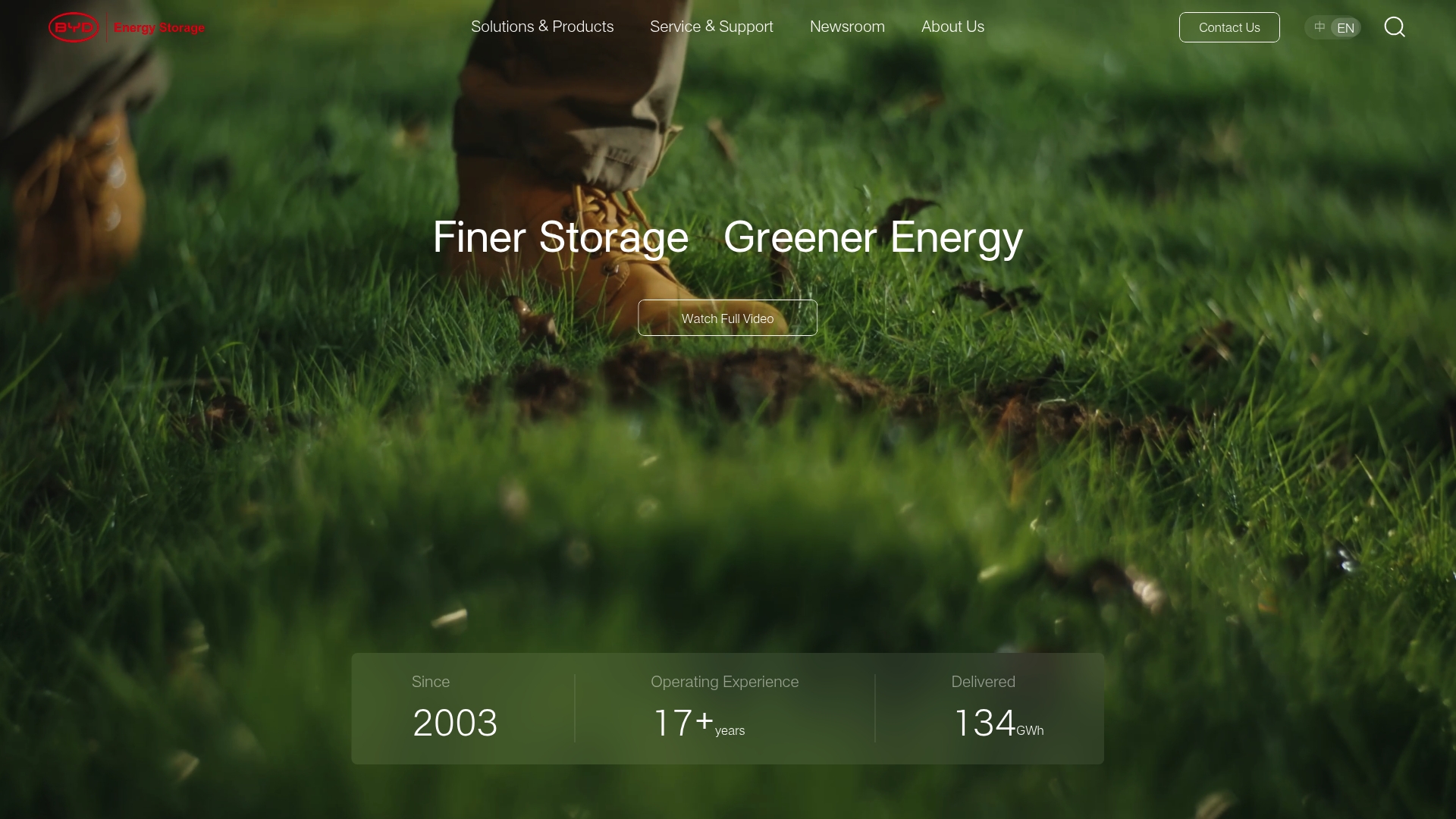
BYD Energy Storage presents a mature portfolio of solutions spanning utility, commercial, and residential applications backed by long operational experience. The offering suits organizations that need proven deployments and a safety first approach, though public pricing and detailed specs are limited.
Core Features
BYD delivers Utility-Scale energy storage, Commercial and Industrial systems, and Residential systems along with Integrated energy options such as mobile storage and vehicle charging. The product range also covers Network energy for telecom and data center reliability and supports multiple deployment scales.
Pros
Broad solution range: BYD covers utility, commercial, and residential use cases which simplifies vendor management for large portfolios.
Proven track record: The company reports over 18 years of operation and 135 GWh of delivered capacity which signals operational experience at scale.
Global deployment: Extensive project delivery worldwide gives you access to field tested designs and multinational support networks.
Safety and green focus: The portfolio emphasizes safety and greener options which aligns with corporate sustainability targets and regulatory expectations.
Comprehensive support: BYD offers end to end services which reduces integration risk for complex projects.
Cons
Pricing not published: Specific product prices are not listed on the website which requires direct contact for budgeting and procurement.
Limited technical transparency: Technology specifications and detailed performance metrics are not available publicly which complicates technical evaluation and comparison.
Potentially high upfront cost: Large utility scale deployments can represent significant capital outlay depending on project scope which requires detailed financial modeling.
Who It’s For
Utilities, energy companies, and large industrial enterprises that need large scale storage and a global vendor will find BYD relevant. Facilities managers at medium to large enterprises will appreciate the range of commercial systems and the emphasis on safety and long term support.
Unique Value Proposition
BYD combines a wide product range with large scale delivery experience and a clear emphasis on safety and green energy. The claim of 135 GWh delivered positions BYD as a partner for projects where demonstrated deployment history and comprehensive service matter.
Real World Use Case
BYD has supplied large scale grid energy storage and residential systems that help stabilize power grids and provide backup power for communities. For a company facing peak charges, BYD systems can support peak shaving and provide reliable backup for critical loads.
Pricing
Pricing is not specified on the website which means you must request a tailored quote for accurate cost and return on investment projections.
Actionable takeaway: Contact BYD for a site specific proposal and request full technical data sheets before committing to procurement.
Website: https://www.bydenergy.com
Wärtsilä
At a Glance
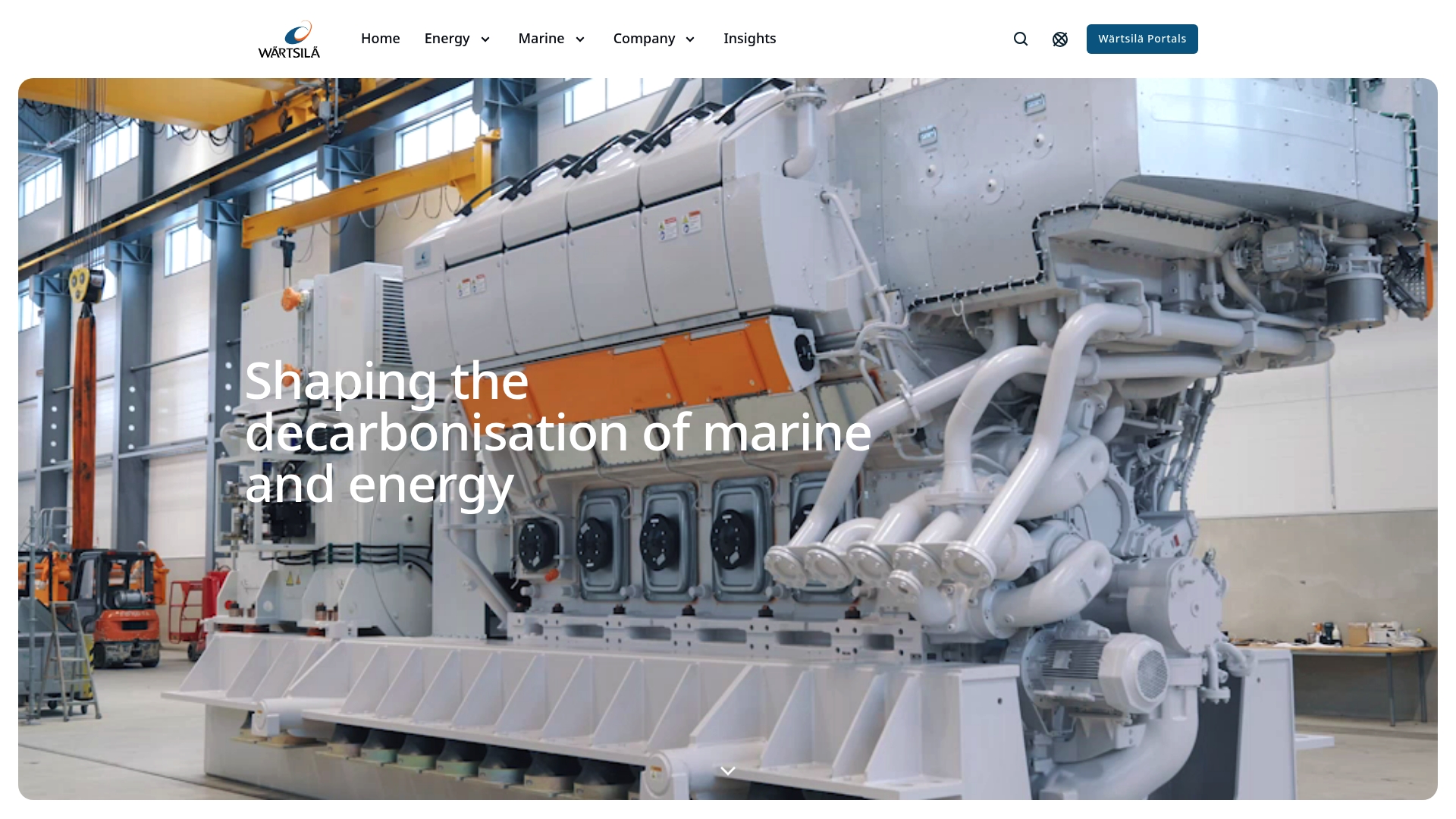
Wärtsilä provides large scale energy and marine technology focused on sustainability and measurable performance improvements for operators. The company pairs energy storage and power systems with digital tools to support decarbonization roadmaps and grid stability.
Actionable takeaway: Contact Wärtsilä for a project scoping conversation to map potential grid or fleet benefits.
Core Features
Wärtsilä delivers integrated solutions for transitioning energy systems to renewables, marine technologies for reliability and performance, and AI-driven predictive analytics that optimize operations and maintenance cycles. The offering also includes lifecycle services and connected digital ecosystems for continuous improvement.
Actionable takeaway: Ask for a capabilities brief that links analytics output to expected operational savings.
Pros
Global presence and experience: Wärtsilä has a broad international footprint and references that support large and complex deployments, which reduces perceived delivery risk.
Sustainability focus: The company has clear decarbonization initiatives and fuel transition work that align with long term net zero planning.
Innovative product mix: Wärtsilä combines energy storage, power plants, and digital platforms to offer end to end solutions rather than isolated components.
Proven track record: Multiple real world references show the company delivers both marine and energy projects at scale.
Comprehensive support: The lifecycle services model offers long term technical support and optimization beyond initial commissioning.
Actionable takeaway: Request case studies from similar European projects to validate performance claims.
Cons
Specialized implementation knowledge required: The technical nature of Wärtsilä systems means you will need experienced engineers or vendor support during deployment.
Potentially high initial investment cost: Advanced systems and large scale installations come with significant capital requirements that need long term financial planning.
Limited end user customization details online: Public materials do not fully describe granular customization options, which can complicate early procurement comparisons.
Actionable takeaway: Plan for a technical due diligence phase and include total cost of ownership scenarios in the tender.
Who It Is For
Wärtsilä is best for utilities, large energy operators, and fleet managers who need scalable solutions for renewable integration, grid stability, and marine decarbonization. You should have project budgets and procurement processes that support customized, engineered systems.
Actionable takeaway: Shortlist Wärtsilä when your project requires integrated engineering and ongoing lifecycle service.
Unique Value Proposition
Wärtsilä combines industrial scale engineering with digital analytics and lifecycle services to deliver systems that are designed for long term decarbonization and operational reliability. The combination of engineering depth and global delivery capacity sets it apart for major CNI and utility projects.
Actionable takeaway: Evaluate Wärtsilä when you need a single supplier to manage design procurement and long term operations.
Real World Use Case
A utility deployed Wärtsilä energy storage and power systems to integrate a higher share of renewables and stabilize the grid. The project linked storage dispatch to analytics driven maintenance, reducing downtime and smoothing renewable output.
Actionable takeaway: Use a pilot phase to measure storage arbitrage and reliability benefits before full scale rollout.
Pricing
Pricing is not specified and varies by project scope, technology mix, and service level. Costs depend on system size, site conditions, and contractual service terms.
Actionable takeaway: Request a tailored proposal with a 25 year financial model to compare options.
Website: https://www.wartsila.com
Energy Storage Solutions Comparison
Below is a comprehensive table summarizing the key features, pros, cons, and considerations of three prominent energy storage solutions providers described in the article.
Provider | Key Features | Advantages | Considerations | Pricing Information |
Belinus Energy | Modular solar panels and storage systems AI-based SMART management software Support for advanced chemistries | Innovative, diverse product range Long warranties Sustainable focus Advanced operational insights | Pricing not publicly listed | Based on configurations and scales of the project |
BYD Energy Storage | Broad usage scenarios (utility, commercial, residential) Mobile storage solutions | Proven track record Global presence Focus on safety and sustainability | Limited technical transparency Potential high upfront costs | Requires direct contact for tailored quote |
Wärtsilä | Integrated solutions for energy system transitions AI-driven analytics Lifecycle services | Global experience Sustainability initiatives Holistic approach | Requires specialized implementation expertise High initial costs | Pricing varies by technology mix and project scope |
Unlock the Full Potential of Corporate Battery Storage with Belinus
Managing multiple sites and integrating renewable energy sources comes with its challenges. As highlighted in “Top 3 Battery Storage for Companies 2026,” balancing performance, sustainability, and smart financial participation is key for modern facilities managers. Belinus addresses these pain points with a comprehensive offering that features advanced battery chemistries like graphene supercapacitors and LFP alongside AI-powered Energy Management Systems designed for tariff optimization, energy arbitrage, and seamless grid integration.
Explore how Belinus delivers:
Scalable utility and commercial storage modules
Intelligent real-time energy management via centralized EMS
Fully integrated solutions spanning solar PV, battery storage, and EV charging
Discover tailored battery storage solutions crafted to meet your corporate sustainability and operational efficiency goals now. Visit Belinus main site to learn more and take the next step toward future-ready energy management.
Frequently Asked Questions
What are the key features to look for in battery storage solutions for companies in 2026?
To choose the right battery storage solution, look for features like scalability, advanced energy management software, and long warranties. Prioritize solutions that offer a balance of performance and sustainability to ensure they meet future needs.
How can companies evaluate the cost-effectiveness of different battery storage options?
Companies can evaluate cost-effectiveness by comparing initial investment, expected lifespan, and ongoing maintenance costs. Calculate potential savings from energy arbitrage and self-consumption, which can provide a clearer financial picture over the system’s lifecycle.
What role does artificial intelligence play in modern battery storage systems?
Artificial intelligence in modern battery storage systems optimizes energy usage by analyzing data in real-time, improving savings and operational efficiency. Implementing AI can help organizations achieve a more effective energy management strategy, potentially increasing savings by around 10-20%.
How do companies ensure the sustainability of their battery storage systems?
To ensure sustainability, companies should select battery storage solutions that use eco-friendly materials and have a focus on long service life. Conduct a lifecycle assessment to evaluate the environmental impact from production to disposal, thereby supporting corporate sustainability goals.
What is the process for integrating battery storage into existing energy systems?
Integrating battery storage involves assessing current energy needs, selecting appropriate storage technology, and developing a robust installation plan. Engage with experienced engineers to ensure a seamless integration within 30-60 days, enhancing reliability and efficiency.
Recommended