Top clean energy solutions for European homes: save & sustain
- Mar 31
- 7 min read
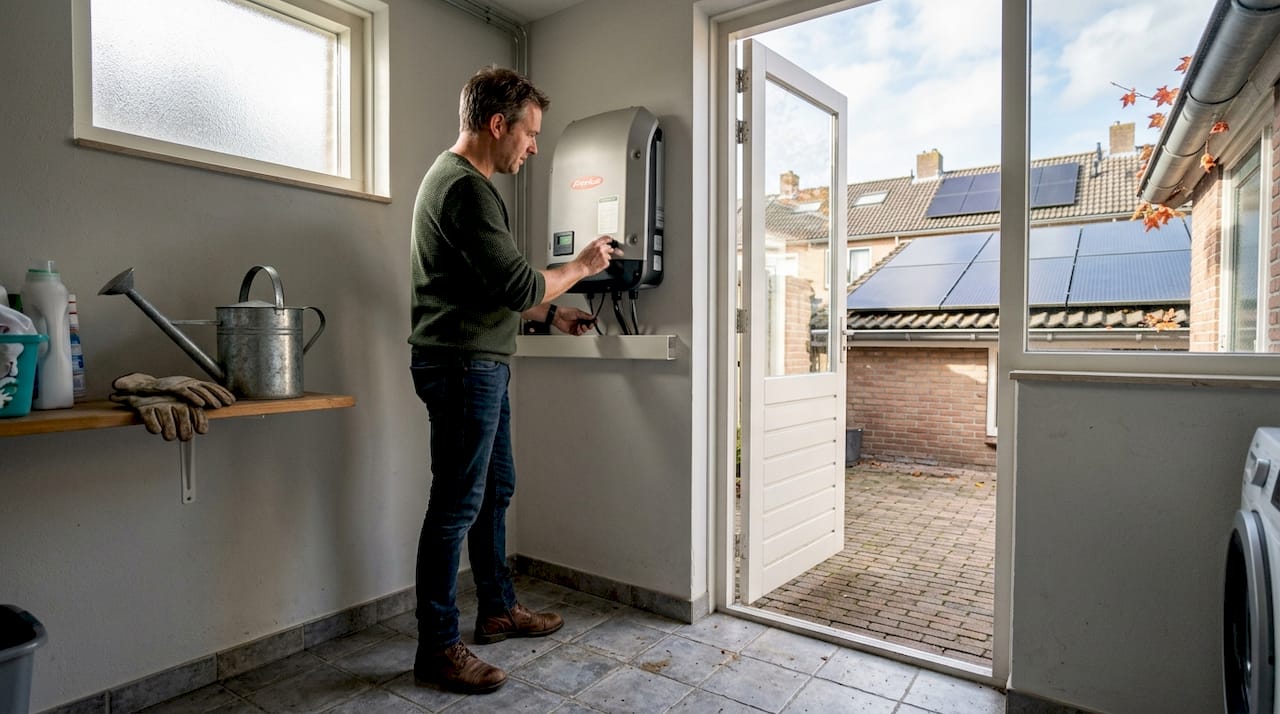
Choosing the right clean energy solution for your home or building in Europe has never been more complicated, or more rewarding. Technology is evolving fast, government incentives shift every year, and the market now offers everything from standalone batteries to fully integrated solar-plus-storage systems. With energy prices still volatile across the continent, the difference between a well-chosen system and a poorly matched one can mean thousands of euros over a decade. This guide cuts through the noise with real numbers, practical comparisons, and a clear decision framework so you can act with confidence.
Table of Contents
Key Takeaways
Point | Details |
Assess property needs | Choose technologies based on your property’s energy profile, budget, and renovation plans. |
Maximize incentives | Take advantage of EU and country-level grants to reduce upfront costs. |
Combine solutions for best ROI | Pairing solar with battery storage delivers the highest savings and independence. |
Explore smart tariffs | Smart time-of-use tariffs can significantly improve battery system returns. |
How to evaluate clean energy solutions
Before you compare products, you need a solid framework. Not every system that works in Spain will make sense in Poland, and not every incentive that applies to a single-family home applies to a multifamily building. Here are the six criteria that matter most.
Upfront cost vs. payback period. A system that costs €15,000 but pays back in 6 years is often better than one costing €8,000 with a 12-year payback. Always model the full financial picture, not just the sticker price.
Available incentives. EU incentives include grants, feed-in tariffs, and credits that can dramatically cut your real payback period. Research what is available in your country before finalizing any budget.
Technical compatibility. Your current consumption pattern matters. A household that uses most energy in the evening needs battery storage more urgently than one that runs appliances during daylight hours.
Scalability. If you manage a multifamily property or plan a phased renovation, modular systems let you start small and expand without replacing core components.
Sustainability impact. Verify the actual carbon savings of any system, not just the marketing claims. Lifecycle emissions from manufacturing matter too.
Smart tariff integration. Dynamic pricing is spreading across Europe, and systems that respond to 15-minute tariff signals can generate meaningful extra savings through energy arbitrage.
Pro Tip: If your utility offers a time-of-use or dynamic tariff, prioritize systems with an intelligent Energy Management System (EMS). An EMS charges your battery when electricity is cheap and discharges it when prices peak, boosting your return on investment without any manual effort.
When comparing energy storage options, always run the numbers under your local tariff structure, not a generic European average.
Solar PV systems
Solar photovoltaic (PV) panels remain the most accessible entry point into clean energy for European homeowners. Grid-tied systems connect directly to the utility grid, letting you sell surplus power back through feed-in tariffs available in Germany, Italy, France, and many other markets.
Key advantages of residential solar PV include:
Low maintenance. Modern panels carry 25-year performance warranties and require little more than occasional cleaning.
Scalability. You can start with a 5 kW system and expand as your budget or consumption grows.
Battery compatibility. Solar pairs naturally with home batteries, turning daytime generation into round-the-clock savings.
Strong incentive support. National programs across the EU reduce upfront costs substantially for qualifying households.
The scale of public investment in residential solar is striking. Hungary’s €415M program supported 31,000 low-income households with solar and heating upgrades, demonstrating how seriously European governments are treating residential clean energy.
For a deeper look at sizing and system design, the guide on solar PV for homes in Central Europe covers country-specific considerations in detail.
Home battery storage solutions
Batteries are no longer just an add-on for solar owners. Standalone battery systems are delivering real savings for households on smart time-of-use tariffs, even without a single solar panel on the roof.
Standalone 10-16 kWh batteries on time-of-use tariffs save £500 to £800 per year in the UK, while solar plus battery combinations reach £1,300 per year. That gap is significant, but a battery-only setup still makes strong financial sense for renters or properties where roof installation is not possible.
Here is how European residential battery pricing breaks down in 2026:
Battery type | Price per kWh | Best for |
Premium high-voltage | High-demand homes, grid services | |
Performance mid-range | €155/kWh | Most residential solar+storage setups |
Low-voltage entry | €112/kWh | Budget installs, smaller homes |
The right tier depends on your consumption profile, your inverter setup, and whether you plan to participate in grid services or energy trading down the line.
Pro Tip: Batteries with native smart tariff integration, like those paired with a centralized EMS, can execute arbitrage automatically. You buy cheap overnight power and sell or self-consume it at peak rates, turning your battery into a financial asset, not just a backup device.
For a full breakdown of available systems, the battery storage options guide covers grid-connected setups across Central Europe, and the 16 kWh battery savings article shows exactly what a well-sized system can return annually.
Heat pumps and electrification upgrades
Generation and storage solve part of the equation. But how you use energy matters just as much. Heat pumps are surging across Europe because they deliver 3 to 4 units of heating or cooling for every unit of electricity consumed, making them far more efficient than gas boilers or electric resistance heaters.
Key reasons to consider heat pumps and electrification:
Efficiency multiplier. A coefficient of performance (COP) of 3.5 means you get 3.5 kWh of heat for every 1 kWh of electricity used.
Solar synergy. Running your heat pump during peak solar generation hours means you heat your home essentially for free on sunny days.
Incentive availability. EU grants and tax credits target heat pump upgrades and whole-home electrification, with extra support for low-income and renovation projects.
Carbon reduction. Replacing a gas boiler with a heat pump powered by renewable electricity can cut your home’s heating emissions by 70% or more.
“For property managers overseeing renovations, modular electrification systems paired with country-specific incentives make it possible to phase upgrades building by building, keeping capital costs manageable while steadily reducing operating expenses.”
Exploring efficient electrification options alongside solar gives you a clearer picture of how these technologies stack up in real renovation scenarios.

Combined solar & storage: The gold standard
When you put solar and battery storage together, the results are consistently stronger than either technology alone. Solar plus battery typically doubles the annual savings compared to standalone battery setups, and the resilience benefits are significant too. You are less exposed to grid outages and price spikes.
Here is a quick comparison of the three main configurations:
Setup | Annual savings (est.) | Self-sufficiency | Best for |
Standalone battery | £500-£800/yr | Low to medium | Renters, grid-heavy users |
Solar only | Variable | Medium | Low storage needs, feed-in income |
Solar + storage | Up to £1,300/yr | High | Families, prosumers, multifamily |
The solar plus storage combination works best for properties with high daytime consumption, families at home during the day, or buildings with EV chargers that can absorb surplus generation. It is also the setup that benefits most from an intelligent EMS, since the system can optimize across generation, storage, and consumption simultaneously.
For a detailed look at how these systems work together, the guide on integrating solar with storage is a strong starting point, and the solar batteries comparison covers the leading products available in Europe right now.
Decision guide: Matching solutions to your property
Every property is different. Here is a straightforward guide to matching the right solution to your situation.
Solar PV only. Best for single-family homes with a south-facing roof, stable daytime consumption, and access to a feed-in tariff. Lower upfront cost, solid long-term returns.
Battery only. Ideal for renters, apartments, or properties in areas with high time-of-use rate spreads. No roof access needed. Works well as a first step before adding solar later.
Solar plus storage. The highest ROI and resilience option for homeowners who qualify. Especially strong for prosumers (households that both produce and consume energy) and multifamily buildings. Modular scalable systems and country-specific incentives help property managers reduce costs across multiple units.
Add heat pump or electrification. Most relevant when you are replacing a gas boiler, undertaking a major renovation, or want to maximize carbon reduction. Pairs powerfully with solar and storage for near-zero energy bills.
Not sure how large a system you need? The guide on sizing battery systems for European properties walks through the calculation step by step, and the battery storage setup article covers installation considerations for efficient home energy.
How Belinus helps you implement clean energy solutions
Reading about clean energy options is one thing. Putting the right system together for your specific property, tariff structure, and budget is another challenge entirely.
Belinus works with European homeowners and property managers to design, source, and implement solar, battery storage, and full integrated energy systems. From the Energy Wall G1, a 16 kWh graphene-based storage unit launching in Q1 2026, to Solis inverters with native EMS integration, the product range covers everything from a first battery install to a full solar-plus-storage-plus-EV-charging setup. The clean energy planning resources on the Belinus website include case studies, technical comparisons, and direct consultation support so you can move from research to action with confidence. Whether you are managing a single home or a portfolio of buildings, the team is ready to help you find the right fit.
Frequently asked questions
What are the main benefits of solar plus battery systems?
Solar plus battery systems maximize energy cost savings and self-sufficiency, with annual savings reaching £1,300/year in typical UK scenarios, roughly double what a standalone battery delivers.
Are EU incentives available for clean energy upgrades?
Yes, EU residents can access grants, feed-in tariffs, and tax credits for solar, batteries, and electrification upgrades. Hungary’s €415M solar program and KfW grants in Germany are two well-known examples of national support available for residential upgrades.
How much do home batteries cost in Europe?
In 2026, residential batteries range from €112/kWh for low-voltage entry models to €285/kWh for premium high-voltage systems, depending on technology and application.
Can renters or multifamily properties benefit from clean energy solutions?
Absolutely. Modular and scalable systems allow clean energy adoption in multifamily settings, and incentives often favor renovation projects and low-income households, making it easier for property managers to justify the investment.
Recommended
Comments