Why Invest in Solar Energy: Real Savings and Independence
- steve39584
- 4 days ago
- 8 min read
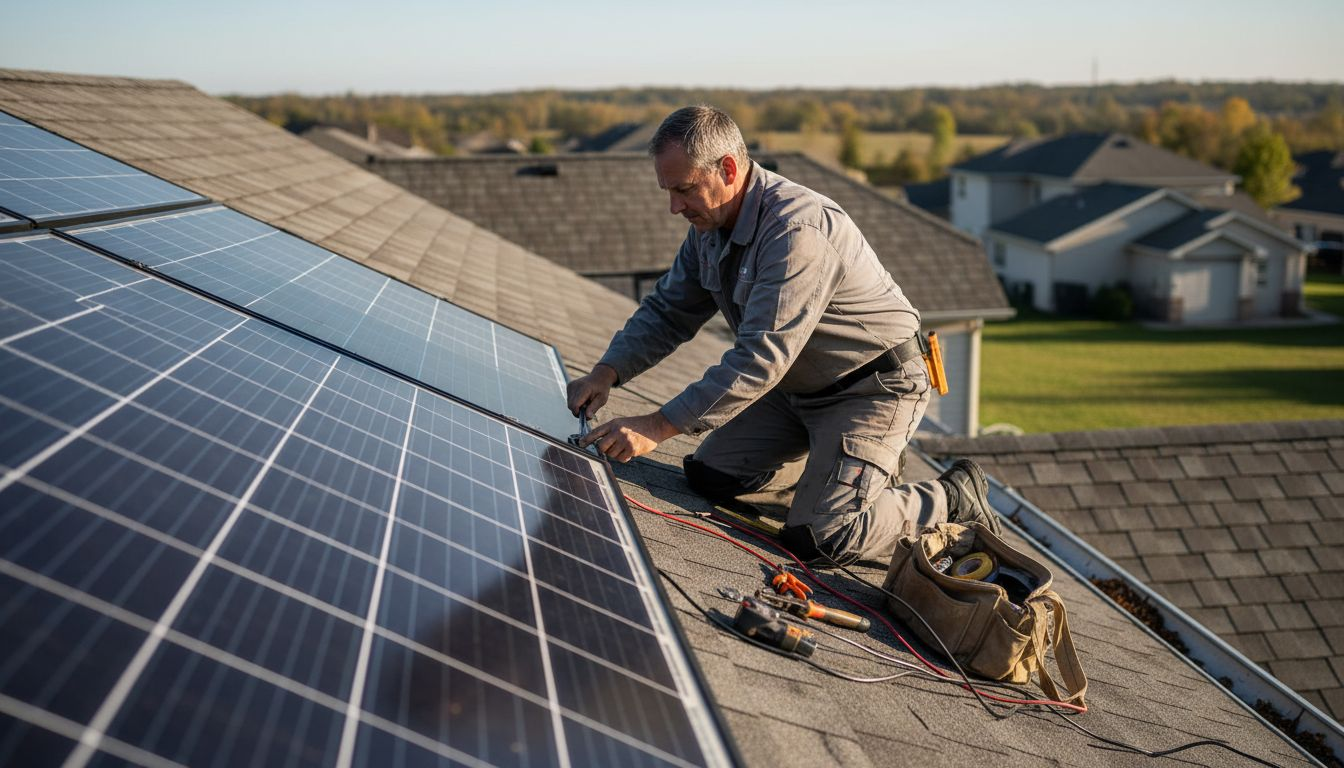
Most advice about solar energy in Central Europe gets it wrong. Many still believe that only American homes or sun-drenched regions benefit from panels, yet the truth is far more promising for European homeowners. With top-tier systems now delivering conversion rates of over 22 percent, energy independence and cost savings are well within reach. This guide clears up major myths and helps you see exactly how solar solutions can transform everyday living in the Benelux region.
Table of Contents
Key Takeaways
Point | Details |
Solar Panels Function in Various Conditions | Modern solar panels can generate electricity even on cloudy days, making them reliable year-round for homeowners. |
Innovative Solar Solutions Available | Solar technology has advanced to provide diverse residential and commercial solutions, including compact installations and community solar projects. |
Smart Energy Management Enhances ROI | Integrating smart energy management systems can optimize energy production and consumption, significantly increasing financial returns. |
Navigating Legal and Financial Aspects | Understanding regulatory requirements and financial incentives is crucial for maximizing the benefits of solar investments in Central Europe. |
Solar Energy Basics and Common Misconceptions
Solar energy represents an innovative and increasingly accessible renewable power source that challenges traditional electricity generation methods. Despite growing adoption across Europe, numerous misconceptions continue to prevent homeowners from embracing this transformative technology. Debunking common solar myths helps potential adopters understand the real potential of photovoltaic systems.
One prevalent misunderstanding is that solar panels only function during bright, sunny days. Modern photovoltaic technology has significantly advanced, enabling electricity generation even under cloudy conditions. Panels can still capture diffuse sunlight, converting approximately 10-25% of available light into electrical energy. This means European homeowners can reliably generate power throughout the year, not just during peak summer months. Additionally, contemporary solar systems are remarkably more efficient than previous generations, with top-tier panels achieving conversion rates exceeding 22%.
Another critical misconception involves land use and environmental impact. Contrary to popular belief, solar installations do not require vast, uninterrupted landscapes. Innovative solar technologies now enable compact, integrated designs suitable for residential rooftops, urban environments, and even small agricultural settings. Photovoltaic systems can be strategically installed on existing structures, minimizing additional land consumption while maximizing energy production potential.
Pro Tip for Solar Success: Research local solar installation companies that offer comprehensive site assessments. These professionals can provide precise estimates of potential energy generation, system costs, and expected return on investment specific to your property’s unique characteristics.
Understanding these foundational principles helps demystify solar energy and empowers homeowners to make informed decisions about sustainable power generation. As technology continues advancing, solar represents not just an environmental choice, but a smart financial investment for forward-thinking European households.
Types of Solar Solutions for Homes and Businesses
Solar energy technology has evolved dramatically, offering diverse solutions tailored to residential and commercial needs. Modern solar systems are no longer one-size-fits-all, but rather sophisticated solutions designed to maximize energy efficiency and meet specific power requirements for different settings. From compact residential installations to large-scale commercial arrays, the solar market provides innovative options for every energy consumer.
Residential solar solutions typically focus on rooftop photovoltaic systems that convert sunlight directly into electricity. These installations can range from small 3-5 kilowatt systems for individual homes to more comprehensive setups that include battery storage. Photovoltaic thermal hybrid solar collectors represent a cutting-edge technology that simultaneously generates electricity and heat, dramatically improving overall energy conversion efficiency for homeowners seeking maximum performance.
Commercial Solar Strategies offer even more flexible approaches to renewable energy adoption. Businesses can leverage larger ground-mounted solar arrays, integrated building solutions, and advanced energy management systems. Community solar projects have emerged as an innovative model, allowing multiple organizations or individuals to invest in shared solar installations without requiring individual on-site infrastructure. This approach democratizes solar investment and enables smaller entities to participate in renewable energy generation.
The solar market now includes sophisticated hybrid systems that integrate photovoltaic panels with battery storage, smart inverters, and intelligent energy management platforms. These comprehensive solutions enable real-time energy optimization, allowing users to store excess power, reduce grid dependency, and potentially sell surplus electricity back to utility providers.

Pro Tip for Solar Investment: Conduct a comprehensive energy audit before selecting a solar solution. Understanding your specific energy consumption patterns will help you design a precisely tailored system that maximizes financial returns and meets your unique power requirements.
Here’s a concise comparison of typical residential and commercial solar solutions:
Aspect | Residential Solar | Commercial Solar |
Typical Location | Rooftop installations | Rooftop and ground-mounted arrays |
System Size | 3–10 kW | 10 kW to several MW |
Key Add-Ons | Battery storage, hybrid collectors | Energy management, grid feed-in |
Investment Focus | Reduce household electricity costs | Lower business costs, new revenue |
Maintenance | Minimal, infrequent | Regular, often contracted service |
ROI Timeline | 6–12 years | 4–10 years, depending on scale |
How Smart Energy Management Maximizes Your ROI
Smart energy management represents a revolutionary approach to transforming solar investments from simple power generation into sophisticated financial strategies. By integrating advanced monitoring technologies, predictive analytics, and intelligent control systems, homeowners and businesses can dramatically enhance their solar energy returns far beyond traditional installation models.
Real-Time Optimization is the cornerstone of modern energy management. Smart village concepts demonstrate how intelligent systems can dynamically balance energy production, consumption, and storage to maximize financial efficiency. These systems continuously analyze electricity generation, household demand patterns, and grid pricing, automatically adjusting energy flows to minimize costs and maximize potential revenue streams.
Solar energy solutions now incorporate sophisticated algorithms that enable unprecedented levels of energy arbitrage. By predicting peak demand periods, storing excess energy during low-cost times, and strategically selling surplus electricity back to the grid, users can transform their solar installations from passive power generators into active financial assets. Modern energy management platforms provide granular insights into energy consumption, allowing users to identify inefficiencies and optimize their overall energy strategy.
The financial benefits extend beyond simple electricity production. Advanced systems enable detailed performance tracking, predictive maintenance scheduling, and comprehensive return on investment analysis. These technologies provide real-time monitoring dashboards that give users complete transparency into their energy ecosystem, helping them make data-driven decisions about energy consumption and potential future investments.
Pro Tip for Energy Management: Invest in a comprehensive energy management system with robust mobile and web interfaces. Choose platforms that offer detailed analytics, predictive maintenance alerts, and real-time performance monitoring to maximize your solar investment’s financial potential.
Legal Requirements and Incentives in Central Europe
Navigating the legal landscape of solar energy in Central Europe requires a nuanced understanding of complex regulatory frameworks that vary significantly between countries. Each nation within the Benelux region has developed unique policies designed to encourage renewable energy adoption while maintaining strict environmental and safety standards for solar installations.
Regulatory Compliance represents a critical consideration for potential solar investors. The European Union has established comprehensive directives that provide a foundational framework, but individual countries like Belgium, Netherlands, and Luxembourg have implemented specific local regulations. These requirements typically cover grid connection standards, equipment certification, installation protocols, and technical specifications that solar system developers must meticulously follow.
Financial incentives play a pivotal role in driving solar energy adoption across Central Europe. Most countries offer a combination of tax credits, feed-in tariffs, and direct subsidies to offset initial installation costs. These incentive structures are designed to accelerate renewable energy transition by making solar investments more economically attractive. Homeowners and businesses can benefit from reduced installation expenses, guaranteed electricity buyback rates, and accelerated depreciation schedules for solar infrastructure.
The legal framework surrounding solar energy extends beyond simple financial considerations. Comprehensive environmental regulations mandate strict performance standards, require detailed environmental impact assessments, and establish clear guidelines for system decommissioning. Investors must also navigate complex permitting processes that involve multiple municipal and regional authorities, each with their own specific requirements for solar project approvals.
Pro Tip for Legal Navigation: Consult with a local solar energy legal specialist who understands the specific regulatory landscape of your specific Benelux region. These professionals can help you identify all available incentives and ensure complete compliance with local and national solar energy regulations.
Financial Returns, Risks, and Common Pitfalls
Investing in solar energy requires a sophisticated understanding of the complex financial landscape that extends far beyond simple electricity generation. Potential investors must carefully analyze multiple factors to ensure their solar project delivers sustainable financial returns while mitigating potential risks.
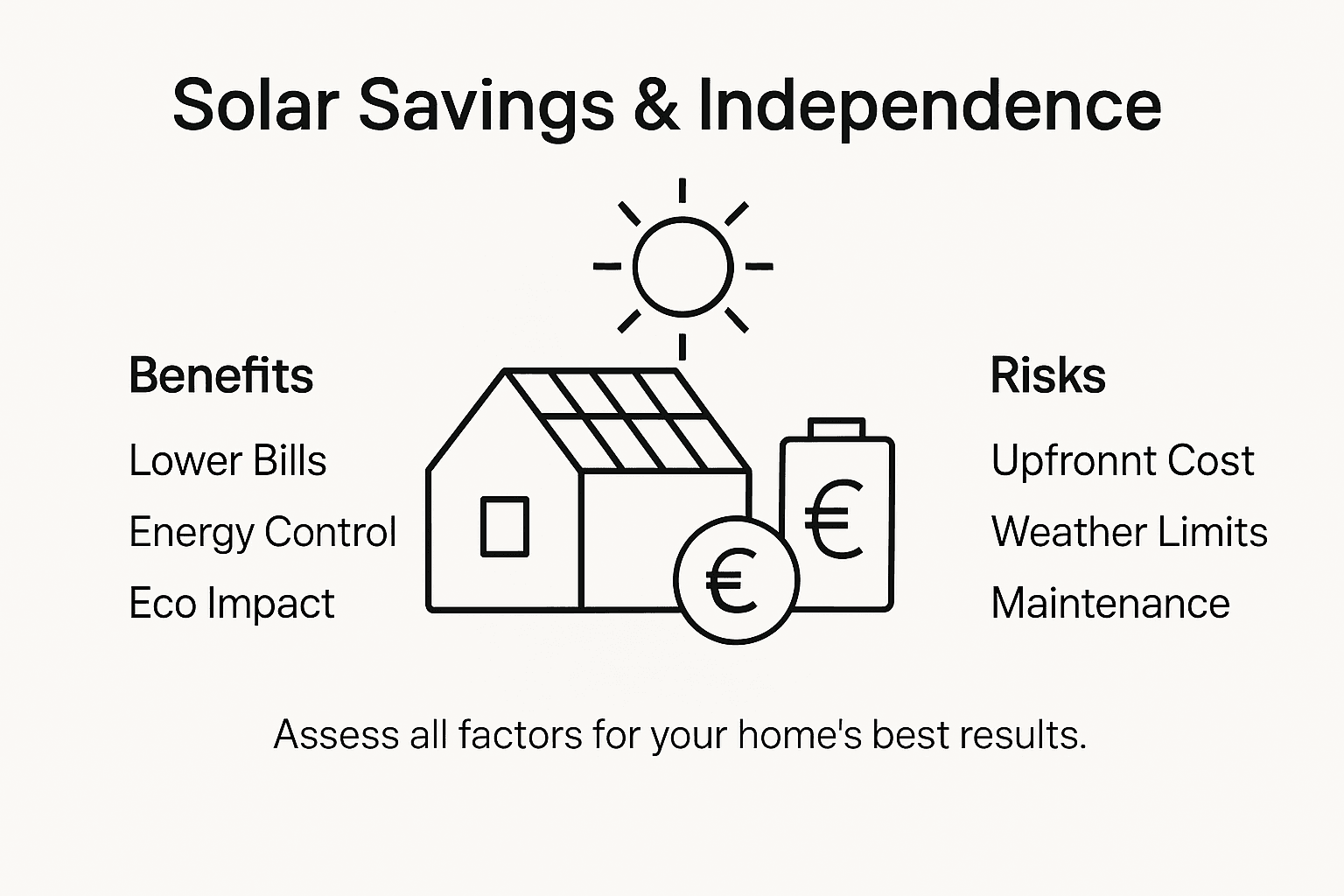
Return on Investment (ROI) calculations for solar installations involve intricate considerations beyond initial equipment costs. Homeowners and businesses in Central Europe typically experience payback periods ranging from 6 to 10 years, depending on local electricity rates, available incentives, and system performance. Key financial metrics include annual energy savings, potential feed-in tariff revenues, tax credits, and long-term electricity price projections. Modern solar systems can generate returns between 7-12% annually, significantly outperforming traditional investment vehicles.
Risk management represents a critical aspect of solar investment strategies. Potential pitfalls include technological obsolescence, unexpected maintenance costs, and performance degradation. Solar panels typically lose approximately 0.5-0.8% efficiency annually, which must be factored into long-term financial projections. Additional risks include potential changes in government incentive structures, grid connection complications, and variations in solar resource availability. Investors can mitigate these risks through comprehensive warranties, performance guarantees, and selecting high-quality equipment from reputable manufacturers.
Common financial miscalculations often derail solar investment potential. Many investors underestimate soft costs like installation, permitting, and grid connection expenses, which can add 20-30% to total project costs. Moreover, failing to conduct thorough site assessments can lead to suboptimal system design, reducing overall energy production and financial returns. Sophisticated investors leverage detailed energy modeling, professional site surveys, and comprehensive financial analysis to maximize their solar investment’s potential.
Pro Tip for Financial Planning: Develop a comprehensive 25-year financial model that accounts for panel degradation, potential maintenance costs, and evolving energy market dynamics. Work with a financial advisor specializing in renewable energy investments to create a nuanced, forward-looking investment strategy.
Compare key financial risks and mitigation strategies for solar projects:
Risk Factor | Example Impact | Mitigation Approach |
Panel Degradation | Lower yearly energy output | Invest in high-efficiency panels |
Incentive Changes | Reduced subsidy payments | Fixed-term incentive contracts |
Unexpected Costs | Project cost overruns | Comprehensive upfront budgeting |
Regulatory Delays | Installation postponement | Early and thorough permitting |
Unlock Real Savings and Energy Independence with Belinus Solar Solutions
The article highlights common challenges like uncertainty over financial returns and the complexity of managing solar investments effectively. You want to avoid pitfalls such as underestimated costs and missed incentives while maximizing your energy autonomy and long-term savings. With Belinus, you gain access to advanced solar technology integrated with intelligent energy management that turns your investment into a smart financial asset. Our suite of solutions like the Energy Wall battery storage, Solis inverters, and the ETAP Pro EV Charger work seamlessly together to optimize energy production, storage, and consumption.
Discover how Belinus can help you achieve real independence from fluctuating electricity prices and harness the full potential of solar power. Visit Belinus to explore our residential solutions and commercial offerings designed to maximize your ROI and simplify the transition to sustainable energy. Take the next step today and empower your home or business with solar solutions tailored to your unique needs.
Frequently Asked Questions
What are the financial benefits of investing in solar energy?
Investing in solar energy can provide significant financial benefits, including annual energy savings, potential feed-in tariff revenues, and tax credits. Homeowners can expect payback periods ranging from 6 to 10 years, with solar systems generating returns between 7-12% annually, outperforming traditional investment options.
How does solar energy contribute to energy independence?
Solar energy enhances energy independence by allowing homeowners and businesses to generate their own electricity, reducing reliance on the grid. By harnessing sunlight, users can power their properties sustainably and even sell surplus energy back to the utility, giving them more control over their energy costs.
What are some common misconceptions about solar energy investments?
Common misconceptions include the belief that solar panels only work well on sunny days or that they require extensive land space. In reality, modern solar technology efficiently generates power in various weather conditions and can be installed on rooftops and small areas, minimizing land use.
How can smart energy management improve my solar investment returns?
Smart energy management systems optimize energy production and consumption in real-time. By analyzing generation patterns, household energy demands, and grid pricing, these systems help users store excess energy, reduce costs, and maximize potential revenue, turning solar installations into active financial assets.
Recommended
Comments