Why Scale Energy Storage for Central Europe
- Jan 4
- 8 min read
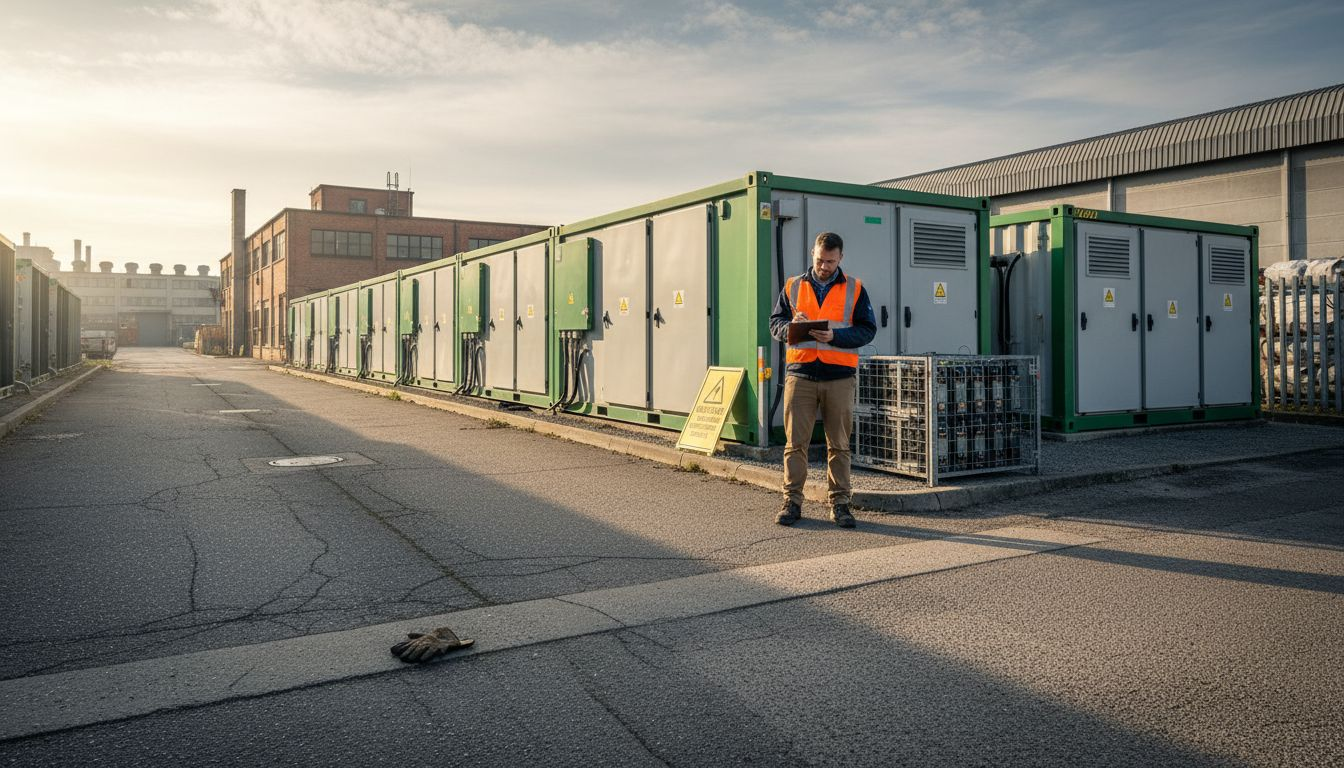
Many American innovations in scalable energy storage have inspired Central European enterprises to rethink how they manage growing renewable energy flows and rising costs. With renewable sources accounting for over 40 percent of electricity generation in parts of Central Europe, the demand for flexible storage technology keeps climbing. This guide breaks down the most effective strategies, technologies, and regulatory factors that every energy manager should consider when upgrading storage solutions.
Table of Contents
Key Takeaways
Point | Details |
Scalable Energy Storage | Solutions must adapt to manage dynamic renewable energy generation, enabling flexible energy storage and discharge to enhance grid stability. |
Technology Diversity | Commercial energy storage options range from lithium-ion batteries to pumped hydro, each suited for specific applications and performance requirements. |
Energy Management Integration | Advanced energy management systems optimize resource distribution, reduce costs, and improve operational efficiencies by leveraging real-time data. |
Financial Implications | Scaling energy storage systems can create new revenue opportunities while optimizing costs, demanding thorough financial analysis of investments. |
Defining Scalable Energy Storage Solutions
Scalable energy storage solutions represent complex technological frameworks designed to manage electricity generation and consumption across dynamic renewable energy landscapes. In Central Europe, these solutions are increasingly critical as electricity grid infrastructure adapts to rising renewable energy integration. The fundamental goal is creating flexible systems capable of absorbing surplus energy during peak generation periods and releasing stored electricity during demand spikes.
At its core, scalable energy storage encompasses multiple technological approaches tailored to address regional energy challenges. These approaches include utility-scale battery deployments, advanced power conversion systems, and intelligent grid management platforms. The key distinguishing factor is adaptability - solutions must seamlessly handle variable renewable generation from wind and solar sources while maintaining grid stability and economic efficiency. Central European energy managers require storage technologies that can rapidly scale from kilowatt residential installations to multi-megawatt utility projects without compromising performance.
Effective scalable storage solutions integrate several critical design elements. First, they must support bidirectional energy flow, enabling rapid charge and discharge cycles. Second, they require sophisticated power electronics capable of managing complex grid interactions. Third, they need robust thermal management systems to ensure long-term reliability. Advanced technologies like graphene supercapacitors and lithium iron phosphate batteries represent cutting-edge options that address these multifaceted requirements, offering enhanced performance across temperature ranges and operational conditions.
Pro tip: When evaluating scalable energy storage solutions, prioritize systems with modular architecture that allow incremental capacity expansion and comprehensive monitoring capabilities.
Technology Types for Commercial Energy Storage
Commercial energy storage technologies represent a diverse ecosystem of solutions designed to address complex power management challenges. Technological approaches range from mechanical to electrical, chemical, and hybrid systems that offer unique advantages for different commercial energy requirements. Understanding these technologies enables energy managers to select optimal storage solutions aligned with specific operational needs, grid integration goals, and economic constraints.
Primary technology categories for commercial energy storage include battery-based systems, mechanical storage solutions, and emerging innovative approaches. Lithium-ion batteries remain the most prevalent technology, offering high energy density and rapid response times. Advanced flow batteries provide additional flexibility for longer-duration storage applications, while compressed air and pumped hydro storage represent large-scale mechanical storage options suitable for utility and industrial contexts. Each technology presents distinct performance characteristics related to power capacity, response speed, cycle efficiency, and capital investment requirements.
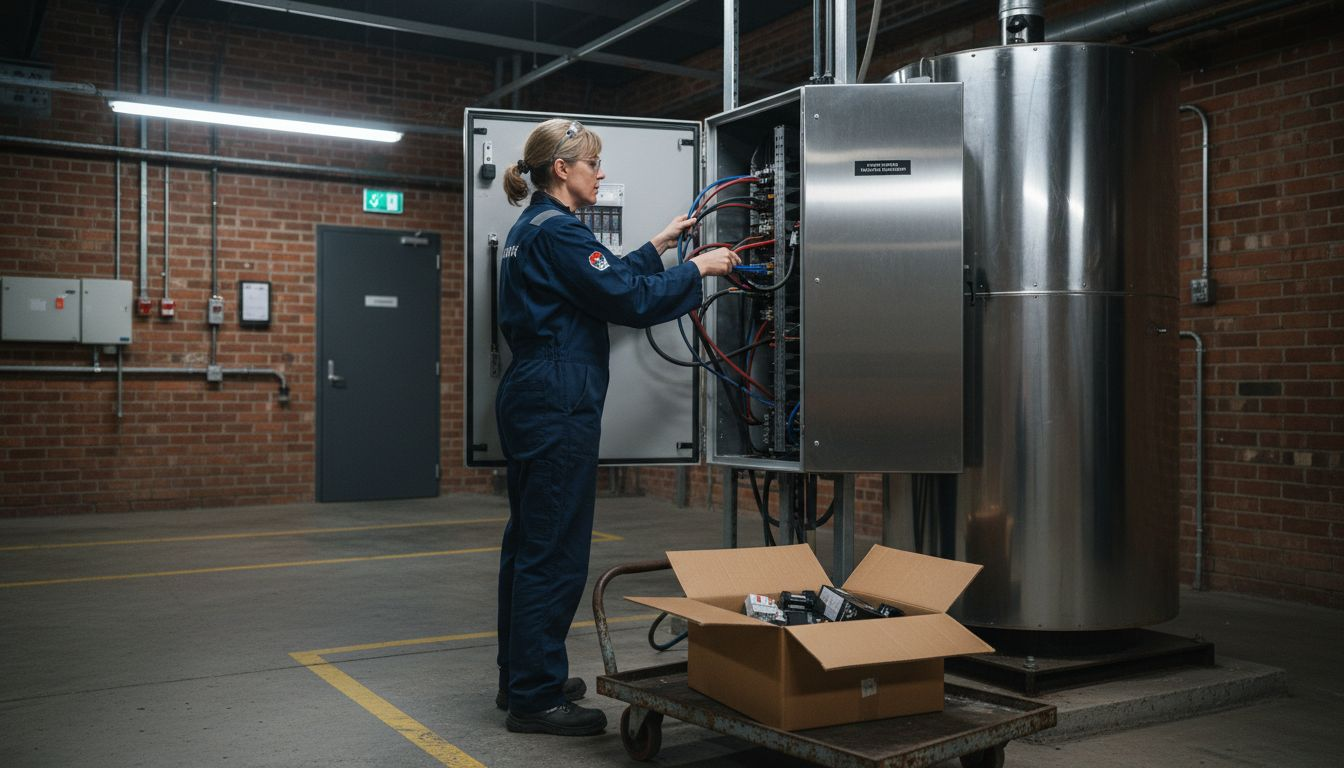
Innovative storage technologies are continuously evolving to address commercial energy challenges. Emerging solutions like thermal energy storage, solid-state batteries, and hydrogen-based systems promise enhanced performance and sustainability. These technologies aim to overcome current limitations by improving energy density, reducing degradation rates, and providing more flexible grid integration capabilities. Commercial energy managers must carefully evaluate these technologies based on specific performance metrics, total cost of ownership, and alignment with broader renewable energy transition strategies.
Here’s how major commercial energy storage technologies compare in key attributes:
Technology Type | Typical Scale | Response Time | Optimal Use Cases |
Lithium-ion Batteries | Small to large | Seconds | Backup, renewable smoothing |
Flow Batteries | Medium to large | Seconds-minutes | Long-duration, grid support |
Compressed Air Storage | Large/grid-scale | Minutes-hours | Bulk energy shifting |
Pumped Hydro Storage | Large/grid-scale | Minutes-hours | Peak shaving, load balancing |
Solid-State Batteries | Small/innovative | Milliseconds | Fast response, high safety |
Pro tip: When selecting commercial energy storage technologies, conduct comprehensive techno-economic assessments that consider not just upfront costs, but lifecycle performance, maintenance requirements, and potential revenue streams from grid services.
Energy Management System Integration Benefits
Energy management systems represent a transformative approach to optimizing power infrastructure, offering comprehensive solutions for commercial and utility-scale energy challenges. Advanced integration strategies enable real-time balancing of energy supply and demand across complex grid networks, fundamentally reshaping how organizations manage electrical resources. These sophisticated systems leverage intelligent algorithms and dynamic data processing to create unprecedented levels of grid flexibility and operational efficiency.
The core benefits of energy management system integration extend far beyond traditional power distribution models. Enterprises can now achieve granular control over energy consumption, implement sophisticated demand response strategies, and monetize grid services through precise load management. By enabling predictive analytics and automated optimization, these systems help organizations reduce energy costs, minimize peak demand charges, and seamlessly incorporate renewable energy sources into their existing infrastructure. The ability to instantly adjust energy flows based on real-time pricing signals and grid conditions represents a quantum leap in energy management capabilities.
Technical integration brings multiple strategic advantages for commercial energy stakeholders. Predictive algorithms enable proactive energy management, allowing businesses to anticipate and mitigate potential grid instabilities. Grid operators gain enhanced visibility into network performance, while commercial users can develop more sophisticated energy procurement strategies. The integration supports complex scenarios like peak shaving, energy arbitrage, and ancillary service participation, transforming energy from a static cost center into a dynamic, potentially revenue-generating asset. These capabilities are particularly crucial in Central European markets with increasingly complex renewable energy landscapes and evolving regulatory frameworks.
Pro tip: When implementing energy management system integration, prioritize solutions with open API architectures that enable seamless third-party technology connections and future scalability.
Financial Impact of Scaling Storage Systems
Scaling energy storage systems represents a complex financial transformation for commercial and utility enterprises across Central Europe. Financial analyses reveal that strategic storage investments can fundamentally reshape electricity cost structures and renewable energy economics, challenging traditional assumptions about energy infrastructure investments. The economic landscape now demands nuanced approaches that balance upfront capital expenditures with long-term strategic value creation.
The financial implications of storage system scaling extend well beyond simple cost considerations. Organizations can unlock multiple revenue streams through intelligent storage deployment, including demand response participation, energy arbitrage, and grid stabilization services. Advanced storage technologies enable businesses to transform energy from a fixed operational expense into a dynamic financial asset. By strategically managing charge and discharge cycles, companies can significantly reduce peak demand charges, optimize electricity procurement, and generate additional income through ancillary grid services. These economic benefits become particularly compelling in markets with volatile electricity pricing and increasing renewable energy penetration.
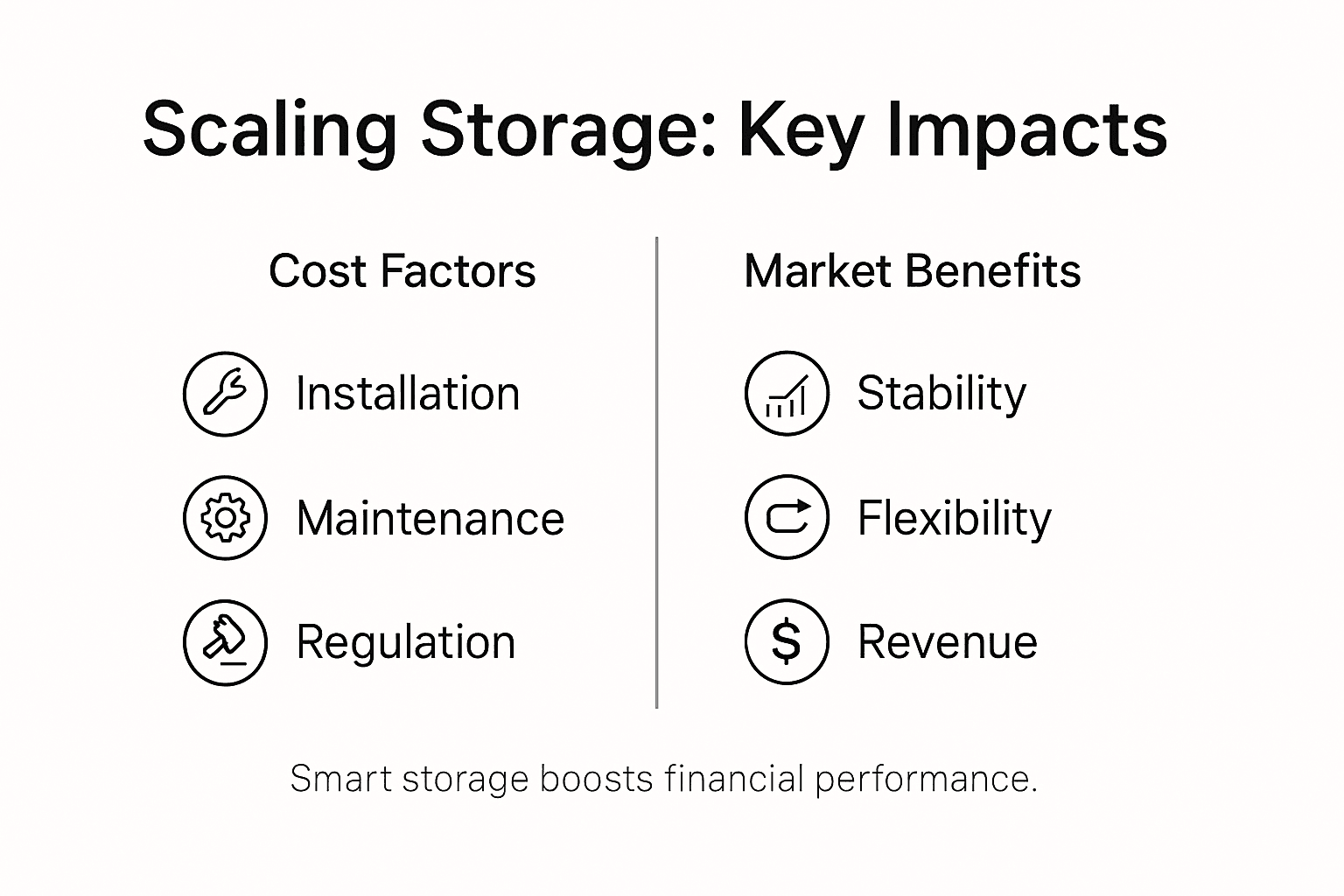
Technical and regulatory frameworks play crucial roles in determining the financial viability of storage investments. Levelized cost of storage continues to decline, making large-scale deployments increasingly attractive. Policy incentives, tax credits, and progressive regulatory environments can dramatically improve investment returns. Commercial energy managers must conduct comprehensive techno-economic assessments that consider not just hardware costs, but potential revenue streams, operational flexibility, and long-term strategic advantages. The most successful storage investments will be those that view energy storage as a multifaceted financial instrument rather than a simple infrastructure upgrade.
The table below highlights financial impacts of scaling storage systems:
Strategic Focus | Financial Benefit | Market Influence |
Peak Demand Reduction | Lower operational expenses | Reduces grid congestion |
Energy Arbitrage | Increases revenue opportunities | Takes advantage of price volatility |
Ancillary Services | Additional income streams | Supports grid stability |
Policy Incentives | Improves investment returns | Encourages wider deployment |
Long-Term Flexibility | Enhances asset value | Future-proofs energy operations |
Pro tip: When evaluating storage system investments, develop detailed financial models that incorporate potential revenue streams from grid services, not just traditional energy cost savings.
Regulatory and Grid Compliance Requirements
Regulatory frameworks for energy storage in Central Europe represent a complex landscape of evolving technical and legal requirements. Compliance mechanisms demand sophisticated approaches that address multiple interconnected policy dimensions, balancing technological innovation with grid stability and environmental objectives. Commercial energy managers must navigate intricate regulatory environments that increasingly prioritize flexible, adaptive energy infrastructure.
The fundamental compliance requirements encompass several critical domains. Technical standards mandate precise specifications for grid interconnection, safety protocols, and performance characteristics. Energy storage systems must demonstrate consistent reliability, meet stringent electrical safety regulations, and provide transparent operational data to grid operators. Electrical interconnection standards require comprehensive documentation proving system compatibility, including detailed specifications about power conversion efficiency, fault ride-through capabilities, and responsive grid support functionalities. These requirements extend beyond simple hardware specifications to include sophisticated communication protocols and real-time monitoring capabilities.
Economic and market regulatory frameworks introduce additional layers of complexity for energy storage deployment. Compliance now requires not just technical validation, but also demonstration of broader system benefits. Grid service participation demands detailed metering, predictable performance metrics, and verifiable contributions to network stability. Regulatory bodies increasingly expect energy storage systems to provide ancillary services, manage grid congestion, and support renewable energy integration. Commercial entities must develop robust documentation frameworks that illustrate their storage systems’ contributions to overall grid resilience, reliability, and decarbonization objectives.
Pro tip: Develop a comprehensive compliance documentation strategy that anticipates regulatory requirements, integrating technical specifications, performance data, and system impact assessments into a unified submission framework.
Unlock Scalable Energy Storage Designed for Central Europe’s Future
Managing the complexities of scalable energy storage while maintaining grid stability is critical in today’s fast-changing energy landscape. The challenges of integrating variable renewable sources, optimizing bidirectional energy flow, and meeting stringent regulatory demands call for intelligent, adaptable solutions tailored to your unique needs. At Belinus, we specialize in transforming these challenges into opportunities with advanced battery storage, modular utility-scale systems, and a centralized Energy Management System that ensures real-time optimization and seamless grid integration.
Experience scalable energy solutions that:
Support multi-megawatt commercial and residential needs with graphene supercapacitors and lithium iron phosphate batteries
Deliver intelligent load management through dynamic tariff optimization and predictive analytics
Integrate EV charging and PV installations for a complete renewable ecosystem

Take control of your energy future today. Explore how our customizable storage systems and energy management technology lead the way in Central Europe. Visit Belinus Comprehensive Energy Solutions to discover integrated options and request a customized consultation that turns your storage scaling goals into reality. Learn more about our utility-scale storage modules and the power of our centralized EMS platform for next-level energy performance.
Frequently Asked Questions
What are scalable energy storage solutions?
Scalable energy storage solutions are technological frameworks designed to manage electricity generation and consumption, adapting to renewable energy integration by absorbing surplus energy and releasing stored electricity during demand spikes.
Why is scalability important in energy storage?
Scalability is crucial because it allows energy storage systems to expand from small residential installations to large utility projects without compromising performance, accommodating diverse energy management needs across varying scales.
What are the key technologies involved in energy storage?
Key technologies include lithium-ion batteries, flow batteries, mechanical storage solutions like compressed air and pumped hydro, as well as innovative approaches such as thermal energy storage and solid-state batteries.
How does integrating an energy management system benefit energy storage?
Integrating an energy management system enhances real-time balancing of energy supply and demand, allowing organizations to reduce costs, implement demand response strategies, and optimize renewable energy use through predictive analytics and automated optimizations.
Recommended
Comments