Integrated PV Systems: Cutting Energy Costs at Home
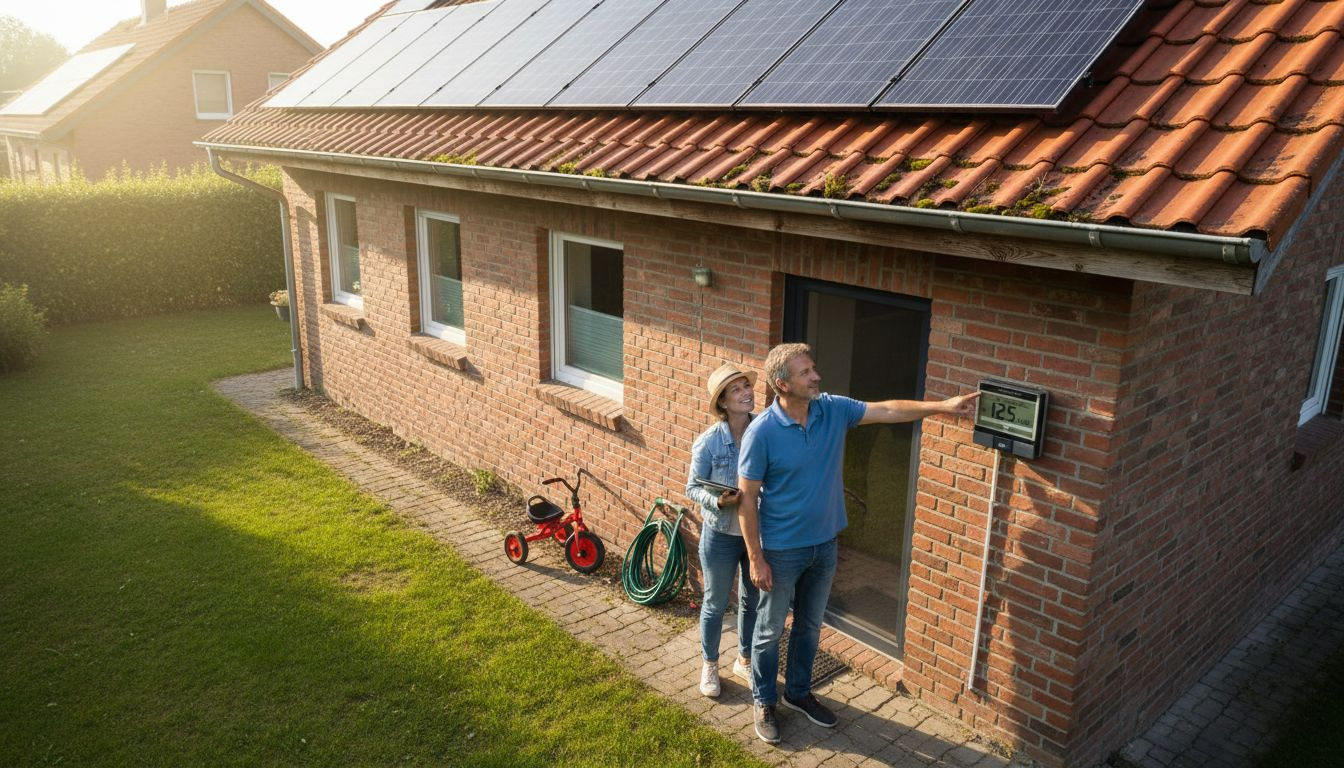
Modern solar technology is reshaping what it means to power a home in Central Europe. Many property owners now face the challenge of reducing energy costs without sacrificing architectural style or practical use of space. Integrated PV systems deliver a blend of renewable energy and multifunctional design, fitting seamlessly into building facades, rooftops, and even window glazing. This article highlights how these innovative solutions help create more sustainable homes while addressing common misconceptions and technical hurdles.
Table of Contents
Key Takeaways
Point | Details |
Integrated PV Systems Enhance Energy Efficiency | These systems seamlessly integrate solar technology into building structures, optimizing space and reducing energy costs. |
Regional Adaptation is Crucial | Different types of integrated PV systems cater to specific environmental and regulatory conditions across regions. |
Professional Consultation is Essential | Homeowners should engage experts for site assessments and system designs to maximize performance and compliance. |
Understanding Legal Requirements is Key | Familiarity with local regulations and permitting processes is necessary to avoid costly installation delays and ensure compliance. |
Integrated PV Systems Explained and Debunked
Photovoltaic (PV) systems have evolved far beyond traditional solar panel installations. Integrated PV systems represent a sophisticated approach to energy generation that seamlessly blends renewable technology with existing infrastructure. Advanced building-integrated solar technologies are transforming how Central European homeowners think about electricity production.
The core concept of integrated PV systems involves embedding solar technology directly into building structures, creating multifunctional surfaces that generate electricity while serving their primary architectural purpose. These innovative systems go beyond conventional rooftop panels by incorporating solar generation capabilities into:
Building facades
Window glazing
Roof tiles
Exterior wall cladding
Parking structures
Balcony railings
Modern integrated PV technologies offer substantial advantages over traditional standalone solar installations. European PV capacity projections indicate these multifunctional systems will play a critical role in sustainable urban development. By generating electricity without consuming additional land area, integrated PV systems address both energy production and spatial efficiency challenges.
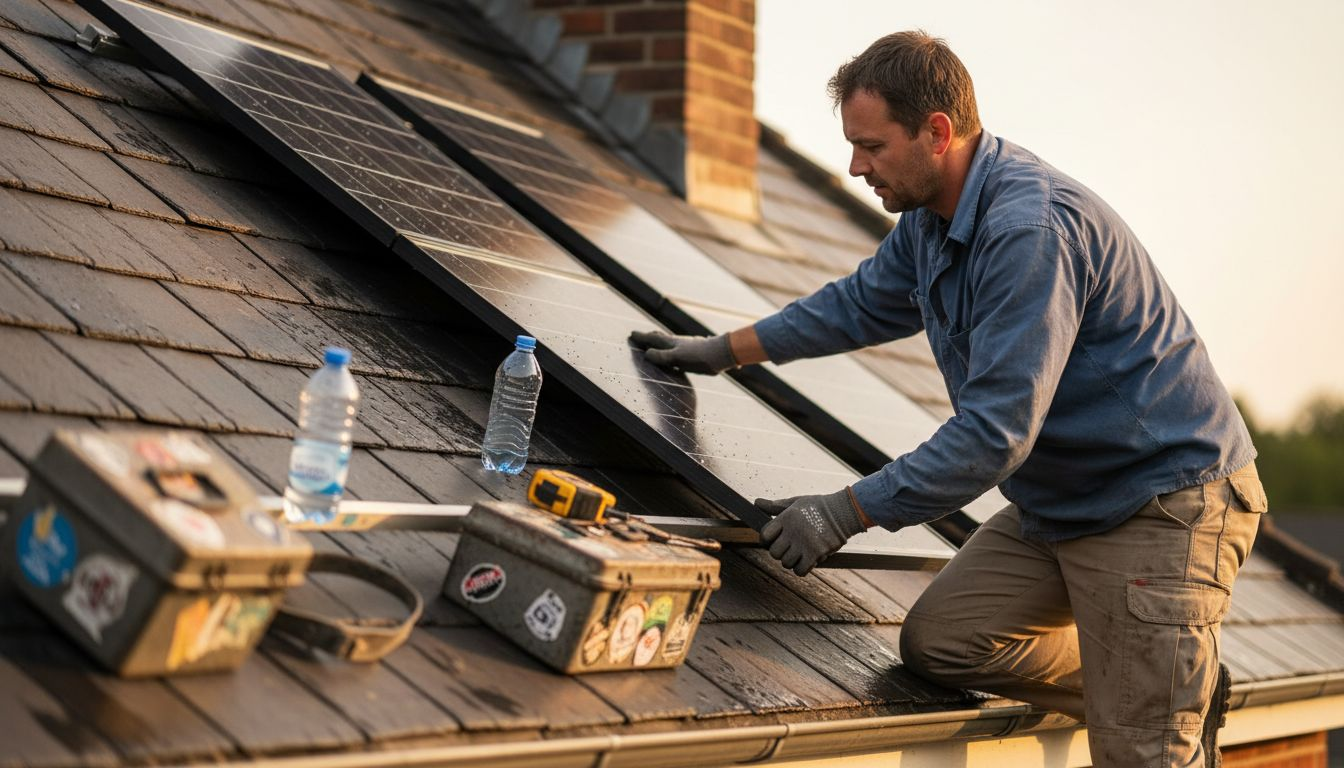
Contrary to historical misconceptions, today’s integrated PV solutions deliver impressive performance metrics. Technological advances have dramatically improved efficiency, with bifacial modules and smart design enabling higher electricity generation from smaller surface areas. These systems are particularly well-suited for Central European climates, providing both energy generation and enhanced building thermal performance.
Pro tip: Before investing in an integrated PV system, conduct a comprehensive site assessment to evaluate your specific architectural characteristics and solar exposure potential.
Major Types and Regional Applications
Integrated PV systems represent a diverse array of solar technologies tailored to specific regional needs and environmental conditions. Major integrated photovoltaic categories in Central Europe encompass several innovative approaches that maximize energy generation across different surfaces and contexts.
The primary types of integrated PV systems include:
Building-Integrated Photovoltaics (BIPV): Solar technologies seamlessly incorporated into architectural elements
Agrivoltaics: Solar panels integrated with agricultural landscapes
Floating PV Systems: Solar installations on water surfaces
Infrastructure-Integrated PV: Solar technologies embedded in roads, bridges, and public structures
Vehicle-Integrated PV: Solar generation capabilities built directly into transportation platforms
Multifunctional surface applications have become increasingly sophisticated in Central Europe, with regions developing specialized approaches based on local climate, infrastructure, and energy regulations. Each integrated PV type offers unique advantages, addressing specific regional challenges while generating renewable electricity.
Here’s a comparison of major integrated PV system types and their unique applications:
PV System Type | Main Application Area | Typical Advantage | Considerations for Central Europe |
Building-Integrated (BIPV) | Roofs, facades, windows | Architectural synergy, no extra land | Regulatory compliance is essential |
Agrivoltaics | Farmland, crops | Combined food and energy output | Seasonal solar exposure management |
Floating PV Systems | Lakes, reservoirs | Reduced land use, cooling effect | Water body access restrictions |
Infrastructure-Integrated | Roads, bridges, public structures | Utilizes existing infrastructure | Durability under heavy load |
Vehicle-Integrated | Cars, buses, trains | Mobile energy generation | Weather and vibration resistance |
Regional adaptations play a crucial role in determining PV system effectiveness. Northern European countries with limited sunlight leverage advanced bifacial modules and smart tracking technologies, while Southern European regions focus on high-efficiency installations that withstand intense solar radiation. Urban centers increasingly prioritize building-integrated solutions that transform architectural surfaces into productive energy generators.
Pro tip: Consult local energy regulators and solar specialists to understand which integrated PV system type best matches your specific regional environment and infrastructure.
How Integrated PV Technology Functions
Integrated photovoltaic (PV) technology transforms ordinary surfaces into sophisticated energy-generating systems through advanced engineering principles. Building-integrated PV systems utilize specialized photovoltaic modules designed to function simultaneously as architectural elements and electricity generators.
The core components of integrated PV technology include:
Photovoltaic Modules: Custom-designed solar cells with enhanced architectural compatibility
Electrical Inverters: Sophisticated converters transforming direct current to alternating current
Smart Monitoring Systems: Real-time performance tracking and energy management interfaces
Structural Integration Layers: Advanced mounting and sealing technologies
Thermal Management Systems: Temperature regulation mechanisms for optimal efficiency
Technical integration processes involve precise engineering that ensures solar modules maintain both aesthetic and functional building requirements. These systems leverage advanced materials like bifacial solar cells, which capture sunlight from multiple angles, significantly improving energy generation potential.
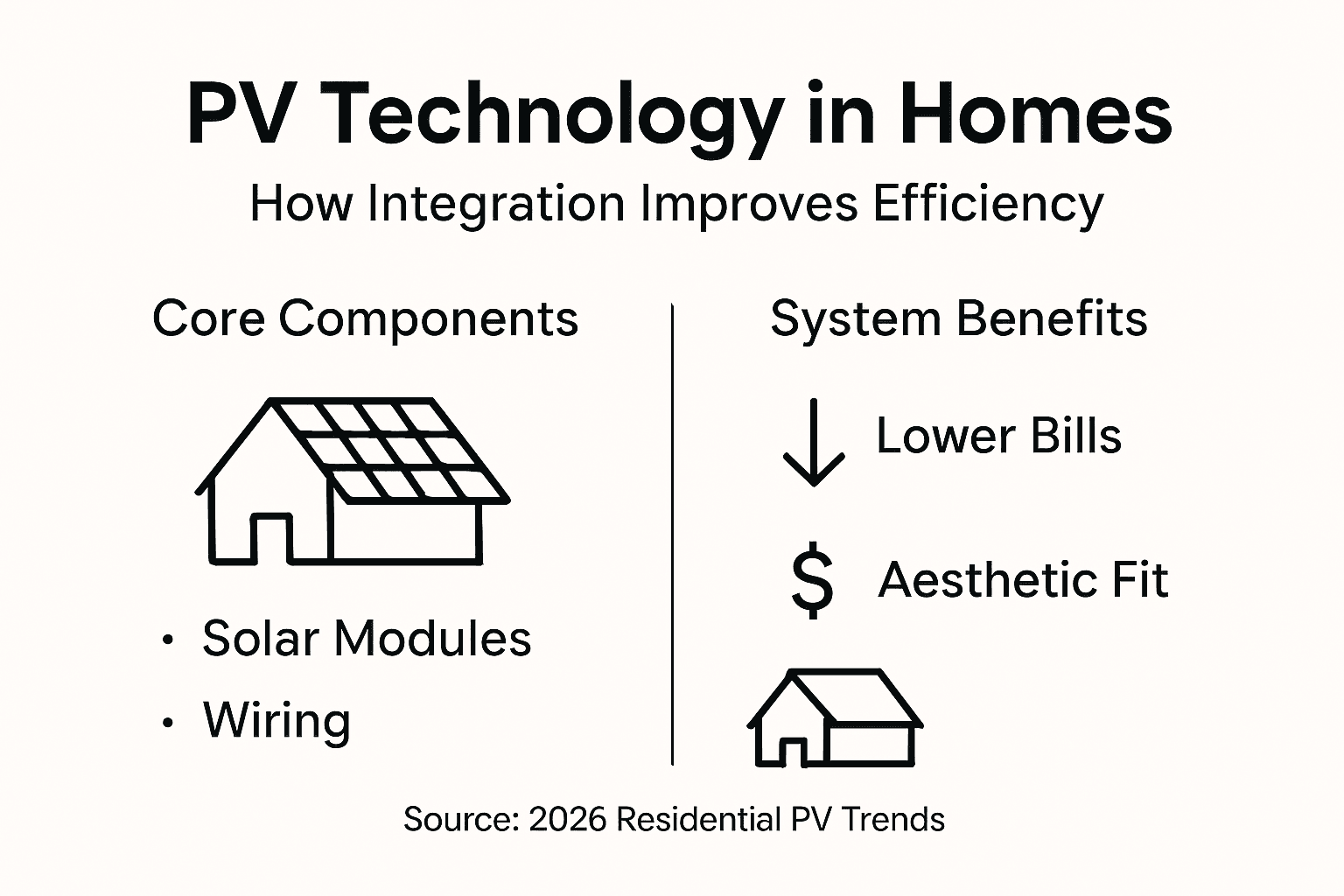
Modern integrated PV technologies employ intelligent design strategies that maximize energy production while meeting architectural constraints. Specialized modules can be seamlessly incorporated into building facades, roofs, windows, and exterior surfaces, transforming traditional infrastructure into dynamic energy-generating environments. By integrating solar generation capabilities directly into structural elements, these systems eliminate the need for additional mounting infrastructure and create visually harmonious energy solutions.
Pro tip: Consult professional engineers specializing in integrated PV technologies to develop a customized system that optimally balances aesthetic design with maximum energy generation potential.
Key Benefits for Homeowners in 2026
Integrated photovoltaic (PV) systems represent a transformative solution for residential energy management, offering homeowners unprecedented opportunities for cost savings and sustainability. Residential integrated PV technologies are poised to deliver substantial economic and environmental advantages in the coming years.
Key benefits for homeowners include:
Reduced Energy Costs: Significant reductions in monthly electricity expenses
Enhanced Property Value: Increased real estate market attractiveness
Energy Independence: Decreased reliance on traditional power grid systems
Carbon Emission Reduction: Direct contribution to climate change mitigation
Aesthetic Home Improvements: Seamless architectural integration
Government Incentive Eligibility: Access to renewable energy tax credits and subsidies
Photovoltaic system advancements are dramatically improving energy generation efficiency and durability. Modern integrated PV technologies can now generate up to 30% more electricity compared to traditional solar installations, while simultaneously providing structural and aesthetic benefits to residential properties.
Homeowners in Central Europe can expect substantial financial returns through integrated PV systems. Advanced technologies enable more intelligent energy management, allowing residents to optimize electricity consumption, store excess energy, and potentially sell surplus power back to the electrical grid. These systems represent not just an environmental investment, but a strategic financial decision that can significantly reduce long-term energy expenses.
Pro tip: Conduct a comprehensive site assessment with a professional solar engineer to determine the most effective integrated PV configuration for your specific property and energy needs.
Legal Requirements and Installation Standards
Navigating the complex landscape of legal requirements for integrated photovoltaic (PV) systems demands careful attention to regional regulations and technical standards. Building-integrated photovoltaic standards are increasingly sophisticated, ensuring safety, performance, and regulatory compliance across Central European markets.
Key legal and regulatory considerations include:
Electrical Safety Certifications: Mandatory compliance with national electrical codes
Grid Connection Permissions: Formal approvals from local utility providers
Structural Integration Standards: Building code conformance for architectural modifications
Performance Guarantee Requirements: Minimum efficiency and durability benchmarks
Insurance and Liability Documentation: Specific technical documentation for risk management
Installation protocols require meticulous adherence to multiple regulatory frameworks. Homeowners must obtain comprehensive permits that typically involve:
The following table summarizes key steps and their impact in the integrated PV installation process:
Step | Purpose | Homeowner Impact |
Site Assessment | Evaluate property and solar potential | Determines feasible PV design |
Engineering and Design | Custom system layout and sizing | Maximizes energy output |
Permitting and Approvals | Secure legal and regulatory clearance | Avoids installation delays |
System Installation | Physical integration into structure | Ensures performance and safety |
Post-Install Monitoring | Track output and manage maintenance | Optimizes long-term savings |
Structural engineering assessments
Electrical system compatibility evaluations
Municipal building permit applications
Utility company interconnection agreements
Energy performance certification documentation
Central European jurisdictions have developed increasingly harmonized standards to facilitate integrated PV system adoption. These regulations balance technical innovation with consumer protection, mandating rigorous testing protocols, safety mechanisms, and performance guarantees. Professional installers must demonstrate compliance with national building codes, electrical safety standards, and renewable energy integration guidelines.
Pro tip: Engage a certified solar engineering professional who specializes in local regulatory compliance to navigate the complex permitting process and ensure full legal adherence.
Common Mistakes and Cost Pitfalls to Avoid
Integrated photovoltaic (PV) systems represent significant investments that require meticulous planning to avoid costly errors. Residential integrated PV project mistakes can dramatically reduce system efficiency and financial returns, making careful preparation essential for homeowners.
Common mistakes homeowners frequently encounter include:
Inadequate Site Assessment: Failing to thoroughly evaluate property solar potential
Incorrect System Sizing: Over or undersizing PV installations relative to energy needs
Poor Orientation Selection: Suboptimal panel placement reducing energy generation
Overlooking Maintenance Requirements: Neglecting regular system inspections and cleaning
Ignoring Local Regulations: Incomplete understanding of permitting processes
Technical design considerations are critical for avoiding expensive retrofitting and performance issues. Homeowners must carefully evaluate shading potential, roof structural integrity, and electrical system compatibility before installation. Professional energy assessments can help identify potential complications that might compromise system performance or lead to unexpected expenses.
Financial pitfalls often stem from inadequate long-term planning. Central European homeowners should consider comprehensive cost analyses that include not just installation expenses, but also potential maintenance costs, expected energy savings, and available government incentives. Understanding the complete economic ecosystem of integrated PV systems helps prevent disappointing investment outcomes and ensures more accurate financial projections.
Pro tip: Request detailed, written energy yield assessments from multiple certified professionals to cross-validate potential system performance before making final investment decisions.
Unlock the Full Potential of Integrated PV Systems with Belinus Solutions
Integrated photovoltaic systems offer homeowners a powerful way to reduce energy costs while enhancing property value and sustainability. Yet, challenges such as optimal system sizing, seamless architectural integration, and managing energy flows efficiently require innovative solutions. Belinus addresses these pain points by combining advanced solar PV technology with intelligent energy management that transforms your home into a self-sufficient energy hub.
Experience the benefits of:
Cutting-edge Energy Wall G1 graphene supercapacitors for scalable storage
Solis inverters fully integrated with the Belinus Energy Management System (EMS)
Real-time battery arbitrage and dynamic tariff optimization to lower electricity bills
Take the next step toward a smarter, cost-effective integrated PV system. Visit Belinus to explore our residential energy solutions and discover how our intelligent EMS platform and expert installations can maximize your home’s energy potential today.
Frequently Asked Questions
What are integrated PV systems?
Integrated PV systems are advanced solar technologies that are embedded directly into building structures, such as facades and roofs, allowing them to generate electricity while serving their primary architectural purpose.
What are the benefits of installing integrated PV systems at home?
Integrated PV systems offer multiple benefits, including reduced energy costs, increased property value, energy independence, carbon emission reduction, and aesthetic improvements while qualifying for government incentives.
How do integrated PV systems differ from traditional solar panels?
Integrated PV systems are designed to blend in with existing structures, providing energy generation without taking up additional land. Traditional solar panels, on the other hand, are typically mounted on rooftops and can be less visually appealing.
What factors should I consider when planning to install integrated PV systems?
Consider conducting a comprehensive site assessment to evaluate your property’s solar exposure, architectural characteristics, local regulations, and potential energy needs to determine the optimal configuration for your integrated PV system.
Recommended
Comments