Role of Energy Storage in 2025: Impact on C&I Sector
- Jan 30
- 7 min read
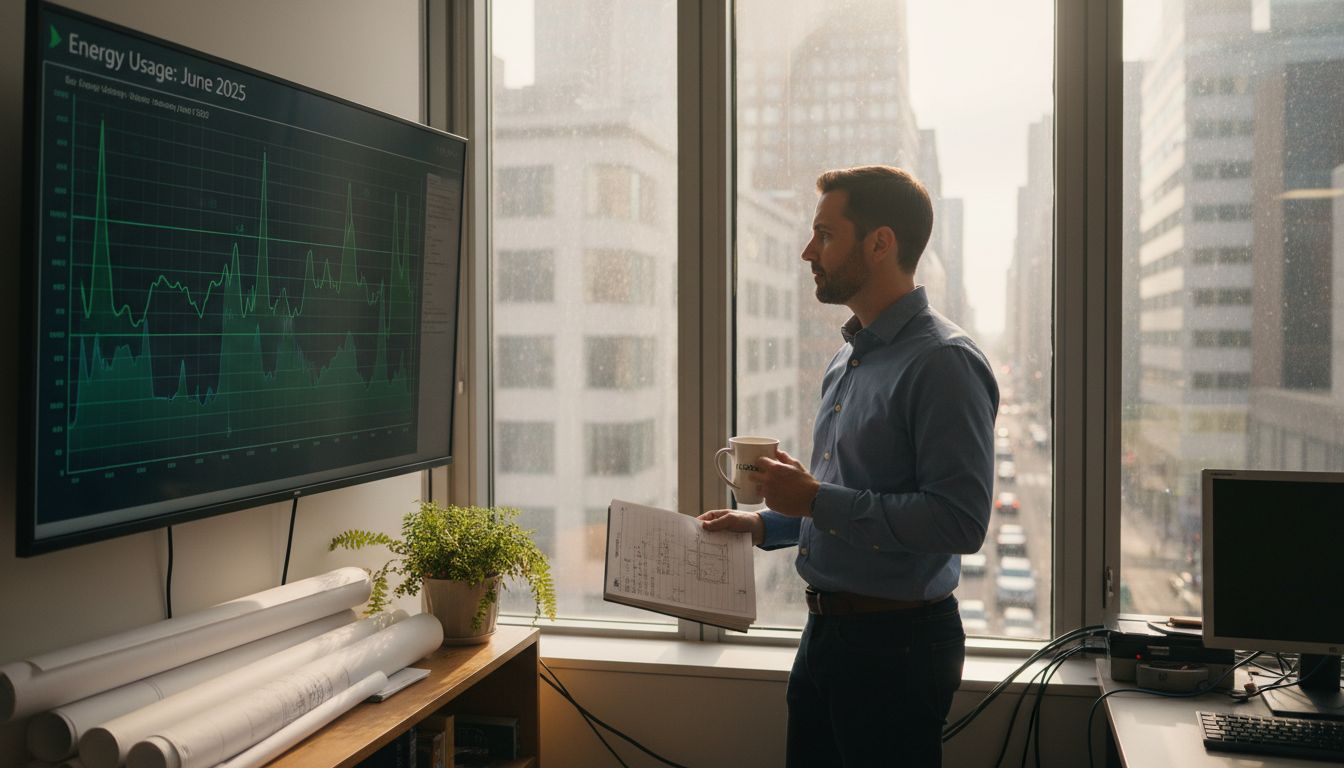
Managing energy costs and sustainability targets has never felt more urgent for enterprises across Central Europe. As new regulations and renewable integration change the grid, many businesses are realizing that energy storage goes far beyond basic batteries. With technologies like pumped hydro, battery systems, and cutting-edge solutions reshaping power strategies, understanding how modern storage can actively support operations and drive down emissions is now crucial for leaders aiming to stay ahead in 2025.
Table of Contents
Key Takeaways
Point | Details |
Comprehensive Energy Storage | Energy storage encompasses various technologies, such as electrochemical, mechanical, and thermal systems, essential for optimizing power infrastructure. |
Market Evolution in Central Europe | The commercial and industrial energy storage market is rapidly changing, driven by innovations and the integration of renewable energy technologies. |
Active Role of Storage | Modern energy storage solutions act as strategic assets, enabling real-time management of electricity demand and facilitating revenue generation through energy trading. |
Financial and Policy Influences | Financial drivers, including declining technology costs and supportive regulations, are crucial for fostering investment in energy storage solutions by 2025. |
Defining Energy Storage and Its Misconceptions
Energy storage represents far more than simply stashing electricity in batteries. It’s a complex, dynamic system crucial for modern power infrastructure, especially as renewable energy sources become increasingly prevalent. Comprehensive EU research on energy technologies reveals the multifaceted nature of storage solutions beyond traditional assumptions.
At its core, energy storage encompasses multiple technologies designed to capture electricity at one point in time and release it when needed. These technologies include:
Electrochemical Storage: Batteries (lithium-ion, lead-acid)
Mechanical Storage: Pumped hydro, compressed air systems
Thermal Storage: Molten salt, phase-change materials
Emerging Technologies: Graphene supercapacitors, hydrogen storage
Many enterprises mistakenly believe energy storage is a one-size-fits-all solution. In reality, energy storage deployment varies significantly across different regional contexts, particularly in Central Europe where grid infrastructure and renewable penetration differ dramatically between countries.
The primary misconception is viewing energy storage as merely a backup mechanism. Modern storage systems are intelligent, dynamic platforms that actively balance grid loads, optimize energy trading, and provide critical grid stabilization services. They represent a sophisticated network of technologies working in concert to create a more resilient, flexible electricity ecosystem.
Pro tip: When evaluating energy storage solutions, consider your specific operational requirements, grid constraints, and long-term sustainability goals rather than adopting a generic approach.
Key Technologies in Central Europe’s C&I Market
The energy storage landscape in Central Europe’s commercial and industrial (C&I) sector is rapidly evolving, driven by technological innovation and increasing renewable energy integration. Key energy storage technologies are transforming how businesses manage and consume electricity, with multiple solutions emerging to meet diverse operational needs.
Primary technologies dominating the Central European C&I market include:
Lithium-Ion Batteries: Highest market penetration, flexible deployment
Pumped Hydro Storage: Large-scale grid stabilization
Compressed Air Energy Storage: Long-duration backup capabilities
Hydrogen Storage: Emerging technology with significant potential
Thermal Energy Storage: Industrial process optimization
The market is experiencing substantial growth, particularly in countries like Germany and France. Technological innovations in C&I energy storage are being driven by several key factors, including artificial intelligence integration, data center requirements, and aggressive renewable energy transition strategies.
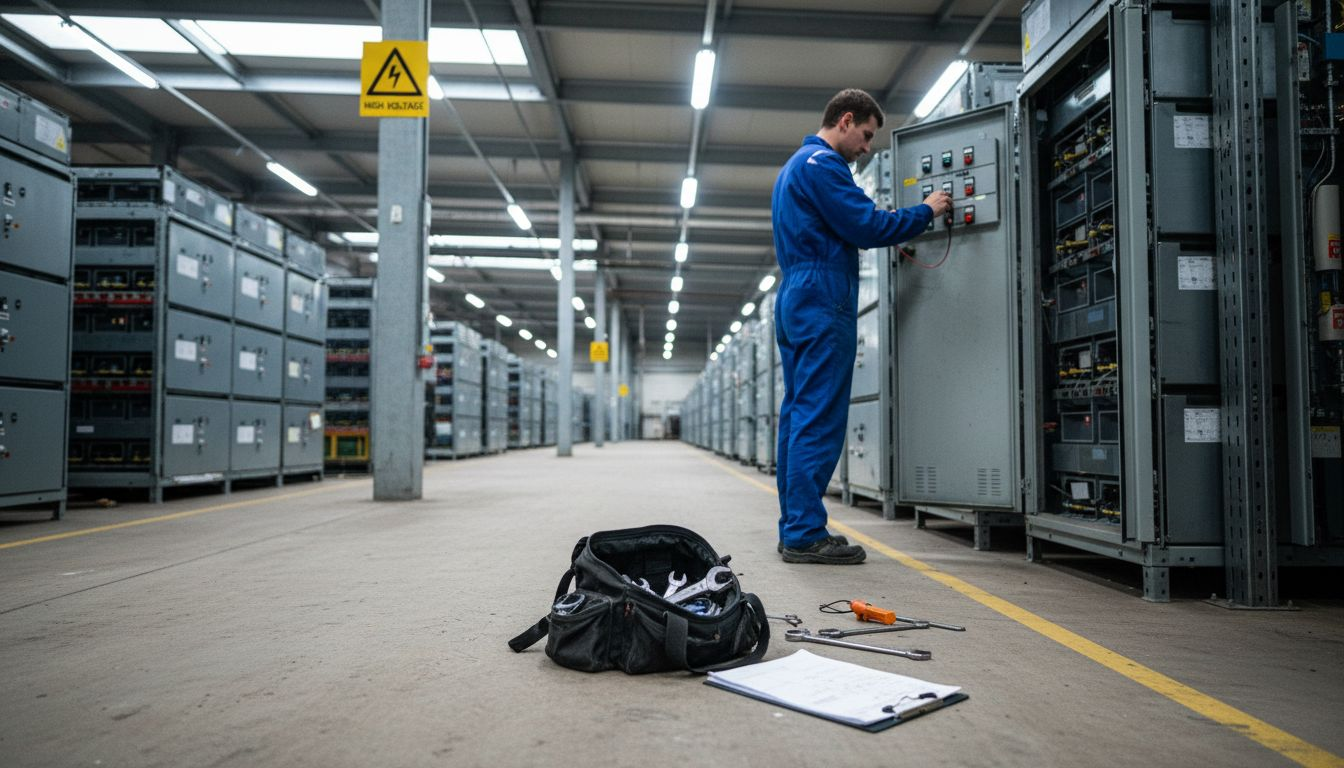
Industrial enterprises are no longer viewing energy storage as a passive infrastructure component but as an active, strategic asset. Modern storage solutions offer real-time grid balancing, peak demand management, and revenue generation through energy trading, fundamentally reshaping how businesses approach their energy ecosystems.
Here’s how key energy storage technologies compare in commercial and industrial settings:
Technology Type | Typical Scale | Key Strength | Main Challenge |
Lithium-Ion Battery | Modular to large | High flexibility | Cost and raw materials |
Pumped Hydro | Utility-scale | Long duration storage | Siting and geography |
Compressed Air | Large-scale | Long backup duration | Low round-trip efficiency |
Hydrogen Storage | Emerging to large | High energy density | Storage infrastructure |
Thermal Storage | Facility-scale | Process optimization | Heat loss over time |
Pro tip: Conduct a comprehensive energy audit to determine which storage technology best matches your specific operational profile and sustainability objectives.
Practical Applications and Integration Scenarios
Energy storage technologies are transforming how commercial and industrial enterprises manage electrical infrastructure, moving far beyond traditional backup power solutions. Practical energy storage applications demonstrate complex integration scenarios that provide strategic advantages across multiple operational domains.
Key practical integration scenarios include:
Peak Demand Management: Reducing electricity costs by shifting consumption during lower-rate periods
Renewable Energy Buffering: Storing excess solar and wind generation for consistent power supply
Grid Stabilization: Providing rapid response to frequency and voltage fluctuations
Backup Power: Ensuring continuous operations during grid interruptions
Revenue Generation: Participating in energy trading and ancillary service markets
Industrial sectors are developing sophisticated integration strategies that leverage energy storage as a multifunctional asset. Manufacturing facilities, for instance, can utilize battery systems to smooth electrical loads, reduce demand charges, and create additional revenue streams through grid service participation.
The most advanced energy storage implementations now incorporate intelligent management systems that dynamically optimize storage, generation, and consumption in real-time. These systems use predictive algorithms to anticipate energy needs, maximize cost savings, and minimize carbon footprint, effectively transforming energy storage from a passive infrastructure component to an active strategic resource.
Below is a summary of energy storage value streams and their typical business impact:
Value Stream | Business Benefit | Typical User Sector |
Peak Shaving | Lower demand charges | Manufacturing, data centers |
Grid Services | Additional revenue streams | Industrial, utilities |
Energy Arbitrage | Reduced energy procurement cost | Commercial buildings |
Renewables Buffer | Improved supply reliability | Solar/wind operators |
Backup Power | Minimized outage risks | All sectors |
Pro tip: Conduct a comprehensive energy audit and modeling exercise to identify the most appropriate storage technology and integration approach for your specific operational requirements.
Financial Drivers, Market Policies, and Risks in 2025
The energy storage market in Central Europe is experiencing a transformative period driven by complex financial and regulatory dynamics. European C&I energy storage market analysis reveals multiple interconnected factors shaping investment strategies and technological adoption in 2025.
Key financial drivers and policy considerations include:
Declining Technology Costs: Reducing upfront investment requirements
Electricity Price Volatility: Creating arbitrage opportunities
Green Deal Incentives: Promoting renewable energy infrastructure
Carbon Pricing Mechanisms: Encouraging low-carbon investments
Grid Modernization Programs: Supporting storage technology integration
Regulatory landscapes are increasingly supporting energy storage deployment, with national and European Union policies creating favorable investment environments. Renewable energy policy frameworks are strategically designed to mitigate investment risks and provide stable revenue models for commercial and industrial enterprises.
The most significant financial risks remain concentrated in policy uncertainty, technology performance variability, and complex regulatory compliance requirements. Sophisticated enterprises are developing robust risk mitigation strategies that include diversified storage technologies, comprehensive performance monitoring, and adaptive investment approaches.
Pro tip: Develop a flexible financial model that accounts for technological evolution, policy changes, and potential revenue streams from multiple energy market services.
Optimizing Costs and Carbon Footprint with Storage
Energy storage technologies are becoming pivotal strategies for commercial and industrial enterprises seeking to simultaneously reduce operational costs and minimize carbon emissions. Energy storage optimization strategies reveal sophisticated approaches that go beyond traditional cost-reduction methodologies.
Key optimization strategies include:
Smart Load Scheduling: Shifting energy consumption to low-carbon, low-cost periods
Hybrid Storage Systems: Combining multiple storage technologies for maximum efficiency
Predictive Maintenance: Reducing downtime and extending storage system lifespan
Dynamic Energy Trading: Leveraging real-time market pricing for revenue generation
Carbon Performance Tracking: Monitoring and minimizing emissions across storage operations
Modern enterprises are recognizing that energy storage is not just a technological solution but a comprehensive approach to sustainable business operations. Carbon capture and storage technologies are increasingly being integrated with advanced storage systems to create holistic decarbonization strategies that simultaneously address economic and environmental objectives.
The most advanced organizations are developing integrated approaches that transform energy storage from a cost center into a strategic asset. By implementing intelligent management systems, businesses can create multi-dimensional value streams that optimize financial performance while dramatically reducing their carbon footprint.
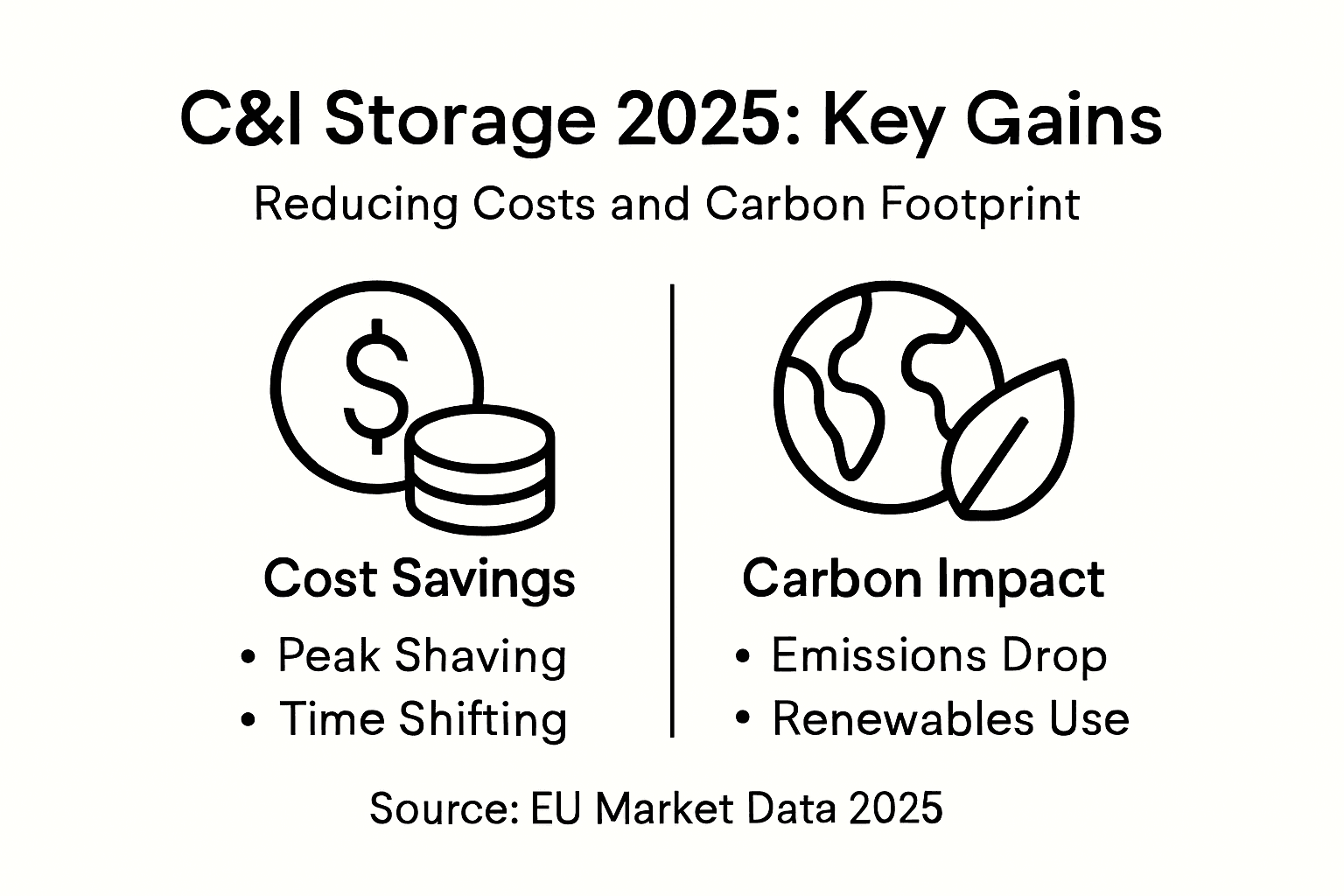
Pro tip: Develop a comprehensive energy performance dashboard that tracks both financial savings and carbon reduction metrics in real-time to drive continuous improvement.
Unlock the Full Potential of Energy Storage in Your Commercial and Industrial Operations
The 2025 outlook for energy storage highlights critical challenges such as navigating complex financial drivers, optimizing carbon footprint, and integrating dynamic grid services. If your business is aiming to turn energy storage from a passive backup into an active strategic asset, it is essential to adopt tailored, intelligent solutions that match your operational demands and sustainability goals. Belinus offers advanced energy storage solutions designed for the Central European C&I sector that deliver real-time grid balancing, peak demand management, and energy trading capabilities with multi-technology support.
Take control of your energy future today with Belinus’ centralized Energy Management System and scalable battery storage modules. Explore how our integrated platforms, including lithium-ion and graphene supercapacitor technologies, seamlessly optimize costs while reducing your carbon footprint. Visit Belinus now to discover custom-designed energy storage and grid-integrated services that transform your business operations and maximize financial returns.
Frequently Asked Questions
What is the role of energy storage in the commercial and industrial (C&I) sector in 2025?
Energy storage in the C&I sector in 2025 will play a critical role in managing electricity consumption, balancing grid loads, and enhancing operational efficiency through technologies like lithium-ion batteries and pumped hydro storage.
How does energy storage help reduce operational costs for businesses?
Energy storage helps reduce operational costs by enabling peak demand management, allowing businesses to shift energy consumption to off-peak times, thus lowering electricity bills and optimizing energy procurement strategies.
What are the main benefits of integrating energy storage with renewable energy sources?
Integrating energy storage with renewable energy sources provides benefits such as consistent power supply, improved grid reliability, energy arbitrage opportunities, and the ability to store excess energy for later use, which helps in enhancing sustainability goals.
What challenges do businesses face when implementing energy storage solutions?
Challenges include high upfront costs, ongoing technological advancements, regulatory compliance complexities, and the need for relevant infrastructure to support energy storage deployment effectively.
Recommended
Comments