Smart Home Advantages: What Homeowners Need in 2026
- 2 days ago
- 8 min read

TL;DR:
Smart homes automate household functions to enhance comfort, save energy, and improve security.
These systems work best when integrated, focusing on high-impact areas like heating and security.
Smart homes are integrated systems that automate household functions to boost comfort, save energy, and improve security. The advantages of smart homes go well beyond convenience gadgets. A 2026 survey found that 51% of users cite increased comfort as the top benefit, while 39% point to energy savings. These numbers reflect a technology that has moved from novelty to practical necessity for homeowners and renters alike. The industry term for this category is “home automation,” and understanding what it delivers helps you invest wisely rather than impulsively.
1. What are the core advantages of smart homes?
Home automation delivers three measurable benefits: convenience, energy efficiency, and security. Each of these works because connected devices share data and respond to your habits, not just your commands. A smart thermostat, for example, learns when you leave for work and adjusts the temperature automatically. That single behavior change can meaningfully reduce your heating bill without any ongoing effort from you.
The strongest case for smart homes is not any single device. It is the compounding effect of multiple systems working together. When your lighting, heating, and security all communicate through one platform, the whole setup becomes more useful than the sum of its parts.
2. How do smart homes improve convenience in daily living?
Automation reduces the mental load of managing a home. Lights turn off when you leave a room. The thermostat adjusts before you wake up. Your coffee maker starts on a schedule. Automation can cut time spent on household tasks by 20–30% per week. That is real time returned to your day.
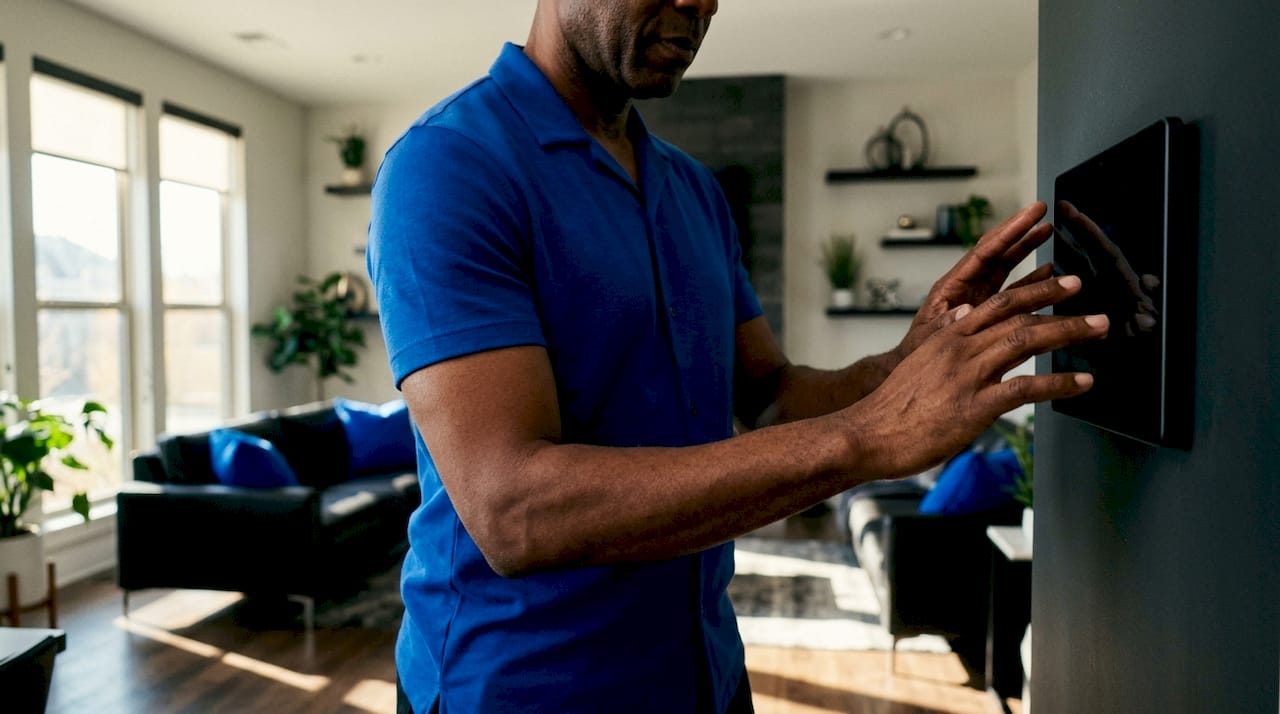
Voice control and remote access add another layer of convenience. You can lock the front door from your office, check whether you left the oven on, or let a delivery person into a secure entry area. These are not futuristic scenarios. They are standard features available on mid-range home automation platforms today.
The most underrated convenience feature is personalized scheduling. Smart home systems learn your routines and adapt to them. A system that knows you work from home on Fridays will keep the heating on longer that day without you touching a setting.
Key convenience features worth prioritizing:
Automated lighting that responds to occupancy and time of day
Climate scheduling tied to your calendar or location
Remote appliance control via a smartphone app
Voice-activated routines that trigger multiple devices at once
Geofencing that activates settings when you arrive or leave
Pro Tip: Choose devices that support open standards like Matter. This protocol allows products from different brands to work together, so you are not locked into one ecosystem as your setup grows.
3. What energy efficiency benefits do smart homes provide?
Energy savings are the most financially concrete benefit of home automation. Smart heating controls can reduce heating costs by 10–31%, depending on how well the system is configured and whether it uses geofencing. That range is wide because results depend on your home’s insulation, your baseline habits, and how actively you use the system’s features.
A well-configured Energy Management System can lower total residential energy consumption by 10–25%. This works by tracking usage patterns, shifting loads to off-peak hours, and cutting power to idle devices automatically. The Belinus Energy Management System, for instance, uses 15-minute dynamic tariff optimization to shift consumption toward the cheapest grid windows.
Targeting high-consumption systems delivers the best return. Heating, ventilation, and air conditioning account for the largest share of home energy use. Smart controls on these systems pay back faster than smart lighting or entertainment devices.
System type | Typical energy saving | Key mechanism |
Smart thermostat | 10–31% on heating | Scheduling, geofencing, learning |
Energy Management System | 10–25% overall | Load shifting, tariff optimization |
Smart lighting | 5–15% on lighting | Occupancy sensors, dimming |
Smart plugs and strips | 3–8% on standby loads | Scheduled shutoff, idle detection |
One important caveat: excessive smart devices can paradoxically increase electricity use if they are poorly planned. Multiple touchpads, always-on hubs, and redundant panels all draw power. Focus your investment on high-impact systems first, then expand.
4. How do smart homes enhance security and safety?
Security is the second most cited reason homeowners adopt smart home technology. Nearly 50% of smart home owners name security as a key benefit, and smart security adoption in Europe grows by more than 10% annually. The appeal is straightforward: real-time awareness of what is happening at your property, even when you are not there.
Modern smart security systems include:
Smart locks with keypad, fingerprint, or app-based access
HD cameras with motion detection and night vision
Motion sensors that trigger alerts or lighting
Water leak detectors that notify you before damage spreads
Smoke and carbon monoxide detectors that send alerts to your phone
Remote alerts are the feature that changes behavior most. When you receive a notification that motion was detected at your front door at 2:00 AM, you can check the camera feed immediately and call emergency services if needed. That response time is simply not possible with traditional security systems.
Cybersecurity is the part of smart home security that most homeowners underestimate. Segmenting smart home devices on a separate network from your computers and phones significantly reduces the risk of a compromised device exposing sensitive data. Regular firmware updates close known vulnerabilities before attackers can exploit them.
Pro Tip: Create a dedicated Wi-Fi network for your smart home devices. Name it something generic so it does not advertise your home’s brand of security system to anyone scanning nearby networks.
5. What homeowners and renters should consider before adopting smart home tech
Planning matters more than the devices themselves. Infrastructure like stable Wi-Fi and smart wiring is foundational for reliability. A smart home built on a weak network will frustrate you more than it helps you. Before buying any device, assess your router coverage, your broadband speed, and whether your home’s wiring supports smart switches.
Renters face a specific challenge: many smart home upgrades require landlord approval or are not worth the investment if you move frequently. The good news is that a growing category of renter-friendly devices requires no wiring changes. Smart plugs, portable speakers with voice assistants, and wireless sensors all install without tools and move with you.
Here are the key considerations before purchasing smart home devices:
Check interoperability. Confirm that new devices work with your existing hub or platform before buying.
Audit your Wi-Fi coverage. Dead zones will make smart devices unreliable. Fix the network first.
Start with high-impact systems. Heating and security deliver the fastest payback. Lighting and entertainment come later.
Read the privacy policy. Know what data each device collects and whether it processes locally or sends everything to the cloud.
Budget for ongoing costs. Some platforms charge monthly fees for full functionality. Factor this into your total cost.
Plan for updates. Devices that stop receiving firmware updates become security liabilities. Choose brands with a clear update commitment.
Consider your exit strategy. If you rent, choose devices you can take with you. If you own, think about resale value and whether your setup will appeal to future buyers.
Smart home value comes from solving concrete problems, not from following trends. A homeowner with high heating bills benefits immediately from a smart thermostat. A renter in a building with package theft benefits immediately from a smart video doorbell. Match the technology to your actual problem.
A growing trend worth noting: smart technology integrated directly into furniture and architectural elements reduces clutter and improves the overall experience. Built-in charging surfaces, hidden speaker arrays, and wall-integrated control panels make the home feel cleaner while keeping the technology accessible.
Key Takeaways
Smart homes deliver the greatest value when automation targets high-consumption systems, security is treated as an ongoing practice, and device selection starts with a clear infrastructure plan.
Point | Details |
Comfort leads adoption | 51% of users cite comfort as the top benefit, ahead of energy savings. |
Heating savings are real | Smart heating controls cut heating costs by 10–31% with proper configuration. |
Security drives growth | Nearly 50% of owners name security as a key benefit; European adoption grows 10%+ annually. |
Plan before you buy | Stable Wi-Fi and device interoperability matter more than the number of devices you own. |
Cybersecurity is non-negotiable | Separate networks and regular firmware updates protect your home from unauthorized access. |
The part most smart home articles skip
Marc here. After years of watching homeowners set up smart devices, the pattern I see most often is this: people buy the gadget first and think about the infrastructure second. A smart thermostat sitting on a spotty Wi-Fi network is not a smart home. It is an expensive frustration.
The homes that actually benefit from automation are the ones where someone spent an afternoon mapping out what problem they were trying to solve before opening a single box. High heating bills? Start with a smart thermostat and an energy monitor. Worried about package theft? Start with a video doorbell and a smart lock. That focused approach pays back faster and causes far less regret.
Security and privacy deserve more attention than they get in most buying guides. By mid-2026, 80% of smart home users demand regular security updates from their devices, and 78% want transparency about data use. Those numbers tell you that the market has matured. Homeowners are no longer impressed by novelty. They want reliability and trust.
My honest recommendation: treat your smart home like a long-term investment, not a hobby. The technology that genuinely improves your daily life is the technology you stop noticing because it just works.
— Marc
How Belinus helps you get more from your smart home
Belinus builds energy solutions designed to work with the way modern homes actually consume power. The Belinus Energy Management System uses 15-minute dynamic tariff optimization to shift your consumption toward the cheapest grid windows automatically. Paired with the Energy Wall G1 battery storage system, it gives your home a real energy buffer that reduces grid dependence and cuts utility costs year-round.

Whether you are planning a full home energy setup or looking to add smart energy storage to an existing system, Belinus offers the tools and expertise to make it work. Explore the full range of residential energy solutions at belinus.com and see how integrated energy management fits your home.
FAQ
What is the biggest advantage of a smart home?
51% of users name increased comfort as the top smart home benefit, followed by energy savings at 39%. The two advantages reinforce each other when systems are well configured.
How much energy can a smart home save?
A well-configured Energy Management System can lower total energy use by 10–25%, while smart heating controls alone can cut heating costs by 10–31%.
Are smart homes safe from hackers?
Smart homes carry cybersecurity risks, but network segmentation and firmware updates significantly reduce exposure. Keeping smart devices on a separate Wi-Fi network from your computers is the single most effective protective step.
Can renters benefit from smart home technology?
Renters benefit most from wireless, tool-free devices like smart plugs, portable voice assistants, and wireless sensors. These require no permanent installation and move with you when you leave.
Does adding more smart devices always save more energy?
No. Excessive or poorly planned devices can increase electricity use. Focus on high-consumption systems like heating and HVAC first, then expand only where a clear benefit exists.
Recommended
Comments